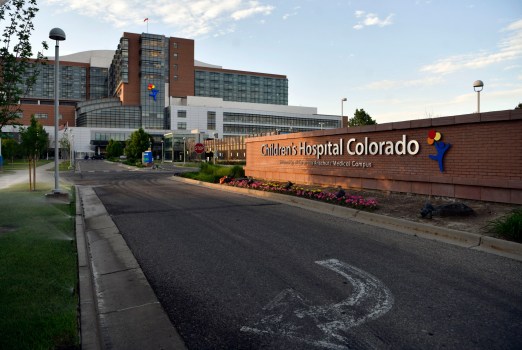
Children’s Hospital Colorado and Denver Health have once again suspended gender-affirming hormonal treatments for minors. This decision comes in response to potential ramifications from the federal government regarding financial support for such services. Although transgender youth in Colorado can still access care from some providers not reliant on federal funds, the hospitals have limited their offerings primarily to behavioral health support.
Mardi Moore, CEO of Rocky Mountain Equality, emphasized that access to care is still available through alternate providers. “Gender-affirming care for young people is still legal in the state of Colorado,” she stated. Both Children’s Hospital Colorado and Denver Health confirmed their decision last week, indicating they would not issue new prescriptions or renew existing ones for puberty blockers or hormones intended for gender-affirming treatments. However, puberty blockers for children experiencing early sexual development will remain accessible.
The situation escalated on December 18, when Robert F. Kennedy Jr., Secretary of Health and Human Services, declared that gender-affirming care is “neither safe nor effective.” This declaration included the threat to cut Medicare and Medicaid payments to any hospitals providing such care, a move that could have devastating financial consequences. The public comment period on this declaration extends until February 17, which means any proposed regulations or penalties will not be implemented until later this year.
The declaration by HHS noted that the review of gender-affirming care concluded available evidence fails to sufficiently support the effectiveness of medical and surgical interventions for mental health or alleviation of gender dysphoria symptoms. It further stated that evidence for the benefits of pediatric medical transition remains “highly uncertain,” while data indicating potential harms is clearer.
On December 23, Phil Weiser, Colorado’s Attorney General, announced the state’s intent to join a multistate lawsuit challenging Kennedy’s declaration. The lawsuit alleges that the declaration failed to adhere to proper rulemaking procedures and infringes on states’ rights to regulate medical care.
The federal government has previously leveraged Medicare funding to enforce compliance with its priorities, including desegregation initiatives in the program’s early days. Although hospitals are not legally required to accept Medicare and Medicaid patients, operating without these programs is often not financially viable.
Major medical organizations have endorsed the use of puberty blockers and gender-affirming hormone therapy as viable options for youth experiencing gender dysphoria, a condition marked by distress resulting from a mismatch between one’s gender identity and biological sex. Both hospitals issued statements indicating that they had to pause gender-affirming hormone therapy to mitigate the risk of losing federal payments while awaiting the outcome of the ongoing legal dispute between federal officials and the states involved in the lawsuit.
Denver Health stated, “These changes, which are made necessary by the actions of HHS, substantially affect access to critical health services.” The hospital is currently focused on ensuring that patients and families receive the necessary information during this challenging period. Children’s Hospital, located in Aurora, confirmed that its gender-affirming care center would continue to provide mental health support and other services for patients under 18. However, it emphasized the need to protect its federal funding in light of the uncertain legal environment.
The suspension of gender-affirming hormonal therapy for minors is not unprecedented. Both hospitals initially halted these services in early 2025 following a directive from the Trump administration, which threatened to withdraw federal funding. Their programs were reinstated after a federal judge blocked that order. Currently, Children’s Hospital is contesting a subpoena from the U.S. Department of Justice, which seeks records of transgender patients, including sensitive identifying information. Courts in other states have previously dismissed similar requests.
Recently, HHS officials announced their intention to refer Children’s Hospital Colorado and Seattle Children’s Hospital to the Office of the Inspector General for investigation concerning past gender-affirming care practices. The Inspector General typically investigates issues related to Medicare fraud or improper payments and evaluates whether states adequately oversee healthcare providers.
In light of these developments, Children’s Hospital described the referral as a “significant escalation” by federal authorities, which has rendered the continuation of gender-affirming care legally precarious. The hospital expressed understanding for the anxiety and distress caused by the ongoing uncertainty surrounding access to gender-affirming care. “We continue to believe that all families, including the families of transgender children, should have the ability to seek and receive the expert medical care their child needs to thrive,” the hospital stated.
As this complex situation unfolds, the implications for transgender youth and their families in Colorado remain profound and uncertain.