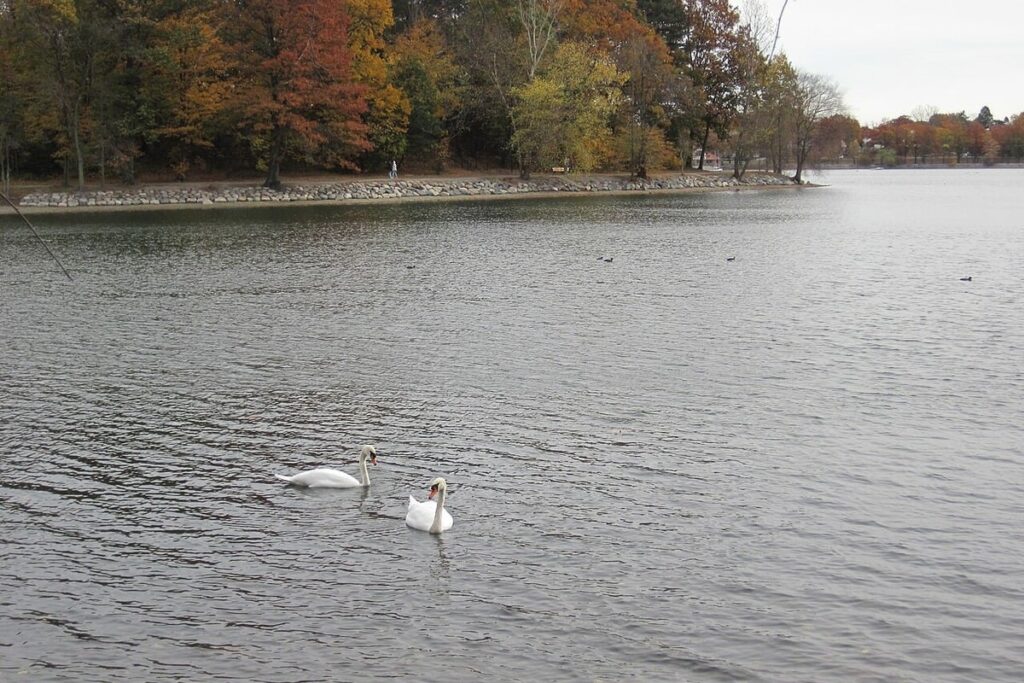
Boston health officials confirmed on Wednesday that highly pathogenic avian influenza, commonly known as bird flu, has been detected in wild birds within the city’s Emerald Necklace park system. This discovery has prompted the installation of new signs and advisories throughout the park chain as testing and monitoring efforts intensify. While officials emphasize that the immediate risk to the general public remains low, they urge residents to avoid contact with any sick or deceased birds.
Public Health Advisories Issued
The Boston Public Health Commission communicated via social media platform X that the “risk of human infection is currently low.” Residents are reminded not to feed, touch, or remove birds from city parks. Instead, individuals are encouraged to report sightings of sick, injured, or dead birds using the state reporting form or by calling 311.
The detections occurred in several areas of the Emerald Necklace, which stretches from the Back Bay through Brookline to Franklin Park, encompassing notable sites such as Jamaica Pond and the Arnold Arboretum. The Emerald Necklace Conservancy, which oversees approximately 1,100 acres and attracts over a million visitors annually, has also posted an avian flu advisory for park users.
Precautionary Measures for Residents and Pets
Officials are advising the public to minimize contact with wild birds, keep dogs on leashes, and ensure cats remain indoors. There is a clear warning against picking up or moving any sick or dead animals. The Centers for Disease Control and Prevention (CDC) notes that although sporadic human infections have occurred, recent cases in the United States have been linked to direct exposure to infected animals, maintaining that the overall public risk remains low.
Massachusetts has been monitoring highly pathogenic avian influenza in wild birds since 2022. State agencies continue to test suspected cases while advocating for enhanced biosecurity measures for backyard flocks. On the national level, surveillance has confirmed detections in wild birds across the country, with the United States Department of Agriculture (USDA) maintaining a comprehensive list of animal cases. Local and state authorities are also monitoring individuals who may have had exposure to the virus.
For residents seeking further information, guidance from the Boston Public Health Commission and updates from USDA APHIS provide additional details on the situation.
As the situation develops, city officials encourage residents to report any sightings of sick or dead wild birds through the state’s reporting form available at mass.gov or by contacting 311. Local park groups, public health agencies, and federal partners are expected to provide further updates if conditions change. This story will be updated as new information becomes available.