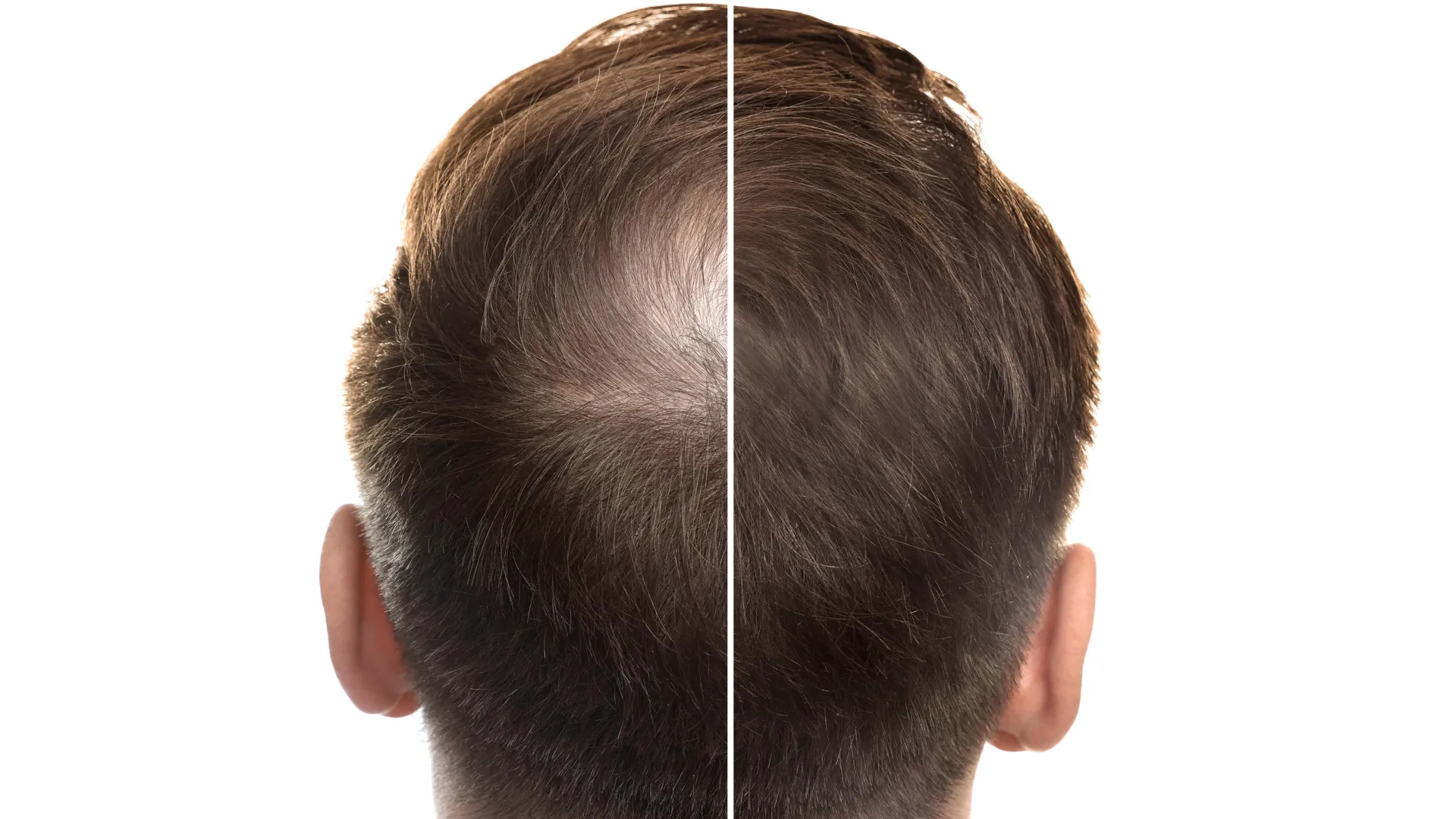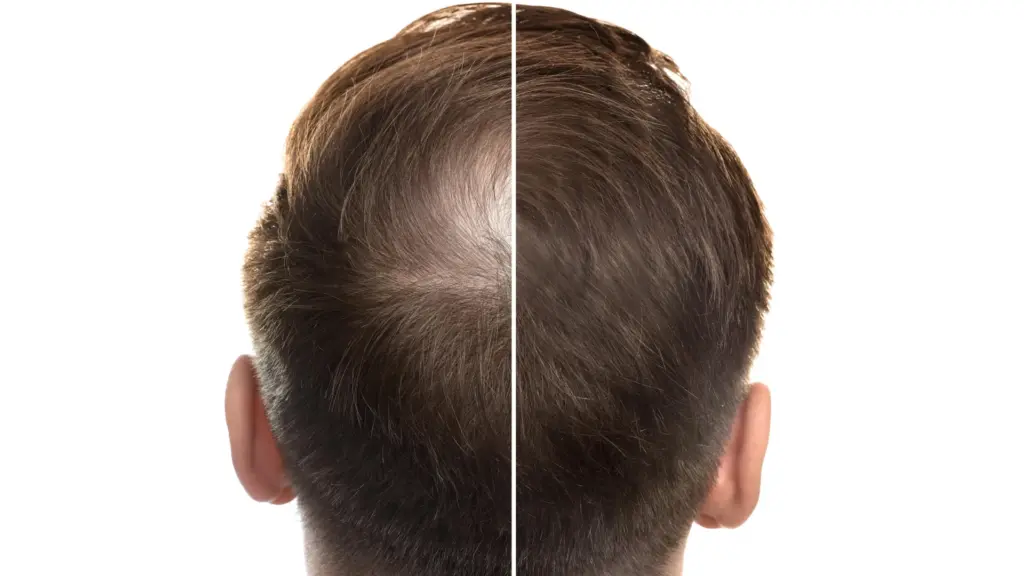
Ancient Chinese medicine is gaining renewed attention for its potential role in addressing hair loss, particularly through the herb known as Polygonum multiflorum. This centuries-old root has been traditionally used to promote healthy hair, and recent scientific investigations suggest it may be effective in combating androgenetic alopecia (AGA), the most common form of hair loss affecting millions globally.
Research published on February 9, 2026, by KeAi Communications Co., Ltd., highlights how Polygonum multiflorum operates on multiple biological fronts. Unlike conventional treatments like finasteride and minoxidil, which target a single pathway, this herb appears to block the effects of dihydrotestosterone, a hormone linked to hair follicle shrinkage. It also protects hair follicle cells from premature death, triggers natural regrowth signals, and enhances blood circulation in the scalp, potentially improving the supply of oxygen and nutrients to hair follicles.
Bridging Tradition and Modern Science
The review, led by Han Bixian and published in the Journal of Holistic Integrative Pharmacy, merges historical texts with contemporary scientific understanding. “Our analysis bridges ancient wisdom and modern science,” Bixian stated, noting the consistency between traditional descriptions of the herb’s effects and current biological insights. The findings indicate that the benefits attributed to Polygonum multiflorum in texts dating back to the Tang Dynasty are not mere folklore but have pharmacological backing.
Researchers examined a variety of sources, including laboratory studies, clinical observations, and historical herbal writings. The comprehensive analysis suggests that Polygonum multiflorum could do more than just slow hair thinning; it may actively promote hair regrowth by affecting numerous growth factors and signaling pathways involved in the hair cycle. This broad mechanism of action positions it as a potentially more effective alternative to treatments that focus solely on one target.
Safety Profile and Future Research
Safety is a crucial consideration for anyone exploring hair loss treatments. The review indicates that when properly processed—a vital step in traditional preparation—Polygonum multiflorum demonstrates a favorable safety profile. This makes it an attractive option for patients concerned about side effects commonly associated with current medications, such as sexual dysfunction or scalp irritation.
Despite these promising findings, the authors caution that further high-quality clinical trials are necessary to fully validate the efficacy and safety of Polygonum multiflorum for hair regrowth. As the review emphasizes, rigorous scientific examination of traditional remedies can pave the way for innovative treatment strategies for common conditions like AGA.
In conclusion, the marriage of ancient practices with modern scientific inquiry may unlock new avenues for managing hair loss, offering hope to those seeking alternatives to conventional treatments.