The world of comic books is not limited to superhero stories, and many titles hold potential for successful television adaptations. As Hollywood continues to explore this rich source material, several lesser-known comics stand out as particularly well-suited for episodic storytelling. These narratives can captivate audiences week after week, offering engaging character arcs and expansive storylines.
Exploring Unique Narratives
One title that merits attention is Darkhawk, an underrated Marvel comic that originally ran from 1991 to 1995. The story revolves around Christopher Powell, who discovers a mysterious amulet that allows him to switch places with a powerful android. This intriguing sci-fi premise could translate effectively into an animated series, taking advantage of the distinct visual style of the original comic. Alternatively, with the right production values, it could also thrive as a live-action adaptation.
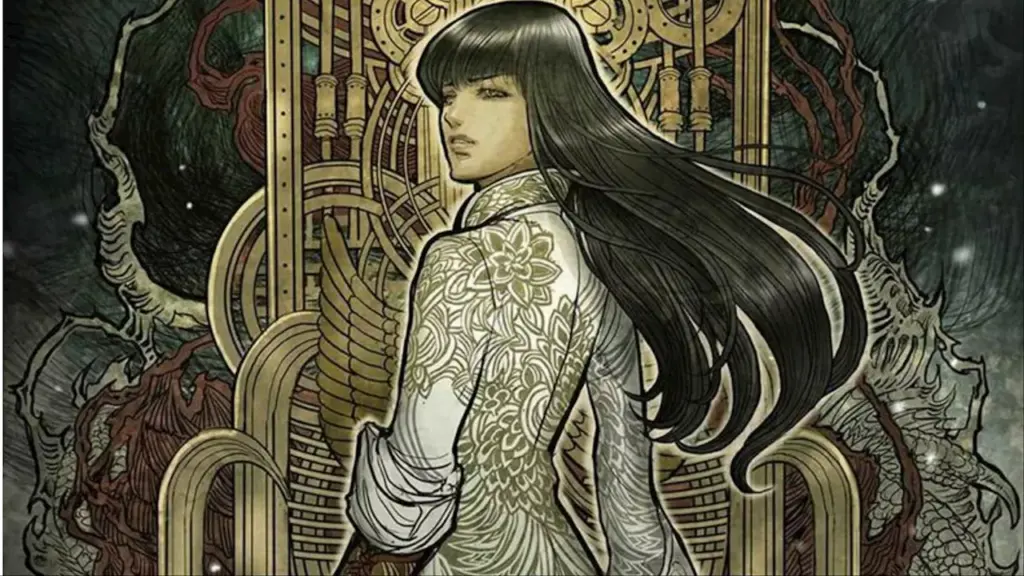
Another compelling comic is Monstress, published by Image Comics. Known for its intricate world-building and complex characters, this series follows Maika Halfwolf, a teen girl with a psychic connection to a formidable monster. Set in a war-torn world between magical beings and humans, the story combines elements of fantasy and horror, making it ripe for adaptation as a prestige television series. Its rich lore and stunning artwork would engage viewers and provide a visually striking experience.
Reimagining Classic Characters
The comic titled Wonder Woman: Dead Earth, written and illustrated by Daniel Warren Johnson, presents a unique take on the iconic character. In this series, Diana awakens in a post-apocalyptic world devastated by nuclear war. As she navigates this bleak future, she must protect the last human city while uncovering the secrets behind the destruction. This darker, more grounded narrative would make for gripping television, potentially serving as a limited series that explores themes of responsibility and redemption.
Another fascinating choice is American Vampire, which offers a fresh perspective on vampire lore. The series spans different eras and explores various species of vampires, including sunlight-resistant varieties. The narrative’s complexity and its depiction of a war between vampire factions would create an engaging backdrop for episodic storytelling, allowing for character development over multiple seasons.
While Saga, created by Brian K. Vaughan, has been deemed unsuitable for television adaptation by its creator, its sprawling narrative contains themes of love, war, and identity that would resonate with audiences. The series is packed with action and unexpected twists, making it a captivating story that could translate well to the screen if approached with respect for its epic scale.
Another noteworthy title is Gotham Central, a police procedural set in the same universe as Batman. Originally intended for adaptation, this series focuses on the challenges faced by the Gotham City Police Department as they navigate a city plagued by superhuman activity. This more grounded perspective could provide a unique and compelling narrative, exploring the human side of life in a city defined by its superhero culture.
Lastly, Marvels, created by Kurt Busiek, portrays the Marvel Universe through the eyes of an ordinary news photographer, Phil Sheldon. This series offers a street-level view of life among superhumans, providing a refreshing contrast to the typical superhero narrative. As a limited series, it could serve as an intriguing anthology that highlights the impact of extraordinary events on everyday lives.
In conclusion, as the television landscape continues to evolve, these comics represent just a fraction of the diverse narratives waiting to be explored on screen. With their rich storytelling and complex characters, they hold the potential to captivate audiences and redefine the genre beyond the superhero archetype.