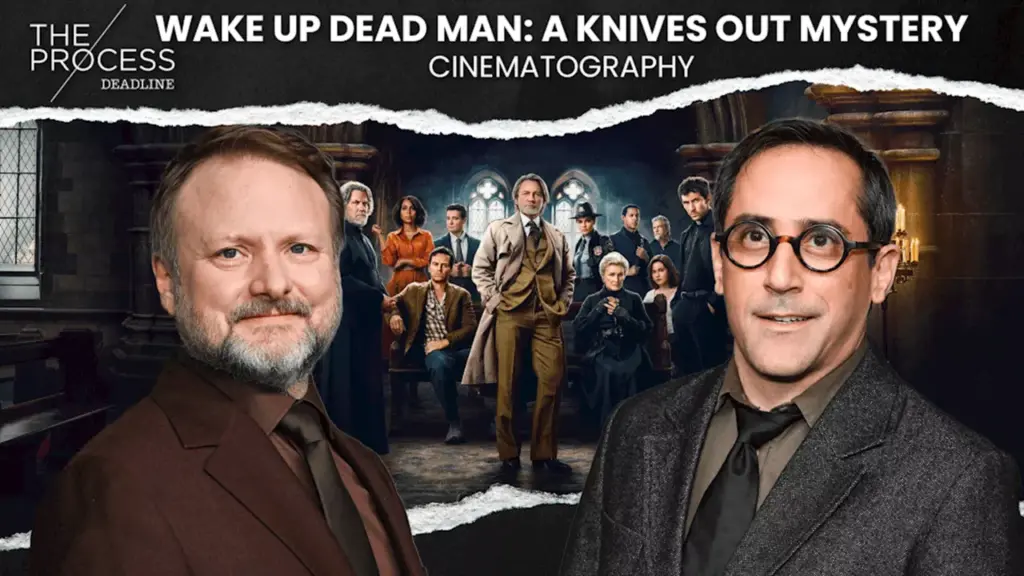
Filmmaker Rian Johnson and cinematographer Steve Yedlin have revealed their innovative use of lighting techniques to create a more gothic atmosphere in the upcoming film, Wake Up Dead Man. This collaboration marks a departure from Johnson’s previous works, aiming for a moody visual experience that significantly influences the film’s tone.
In a recent discussion, Johnson explained that this film is characterized by “a different tone and palette,” which he describes as “a little more gothic and moodier.” He emphasized the importance of lighting in shaping the film’s aesthetic, noting that it is “more of a lighting movie than a camera movie” compared to his earlier projects. Yedlin echoed this sentiment, highlighting the intentional use of natural light shifts throughout the film.
Johnson elaborated on the creative approach, stating, “Early on, you had this idea of the light changing a lot, where we feel the clouds coming in front of the sun and all these different changes within scenes.” This technique is particularly important in scenes that take place within a Catholic church, where light plays a critical role in conveying emotional clarity and despair.
Reflecting on his upbringing in Colorado, Johnson shared, “I grew up in Colorado where the clouds moved very fast, and lots of times you’d be having a conversation in the living room with your family, and suddenly it would be like God turned the lights out.” This childhood experience inspired the filmmakers to explore dynamic lighting shifts that are rarely seen in mainstream cinema.
One of the standout scenes showcases this technique during a conversation between Detective Blanc and Father Jud about faith. Yedlin noted that the moment when the sun breaks through the clouds during Jud’s speech exemplifies their vision for evocative lighting.
Another notable instance occurs during a nighttime scene where Johnson employed a strobe light effect to create a disorienting atmosphere. He described the experience as exhilarating, saying, “Steve rigged it and gave me essentially a video game controller, so I could sit at the monitor and trigger all these lights.” This hands-on approach allowed for a creative exploration of lighting that enhances the film’s emotional depth.
Yedlin stressed the balance they aimed to achieve between theatrical and realistic lighting, saying, “What we’re trying to do is have it feel really big and theatrical… but it’s not theatrical in a sort of fake, movie-light way.” The goal was to evoke the natural transitions of day and night, as well as the varying moods they bring to the narrative.
The collaboration between Johnson and Yedlin reflects a commitment to pushing the boundaries of visual storytelling. Their focus on natural light shifts not only enhances the gothic tone of Wake Up Dead Man but also illustrates a broader trend in contemporary filmmaking that seeks to engage audiences through immersive and evocative visuals. As the film prepares for its release, anticipation builds for how these techniques will resonate with viewers and contribute to the ongoing evolution of cinematic art.