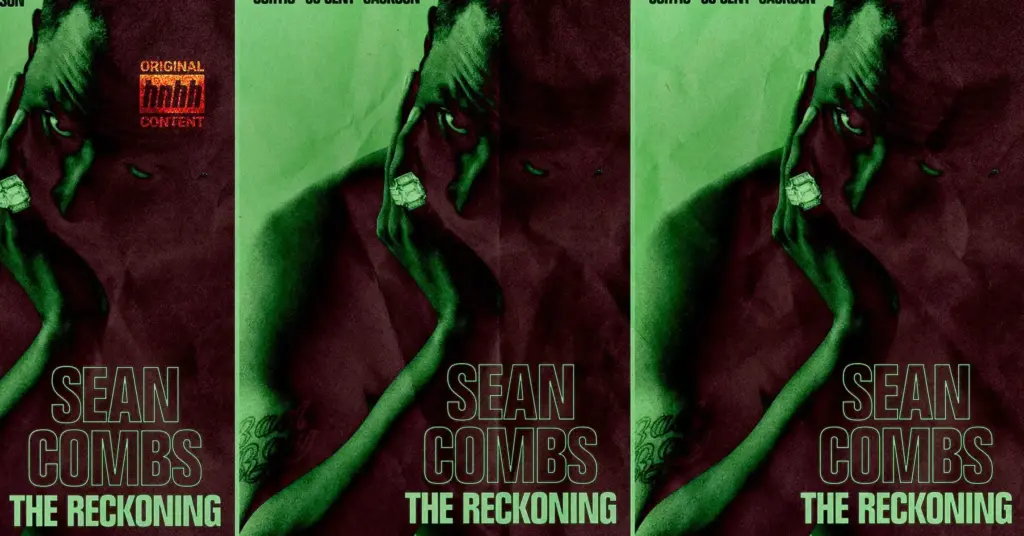
Netflix’s new docuseries, Sean Combs: The Reckoning, delves into the complex and troubling legacy of Sean “Diddy” Combs, exposing a pattern of alleged abuse, manipulation, and violence that has persisted throughout his career. Directed by Alexandria Stapleton, the four-part series does not sensationalize Combs’ life but rather illuminates the structural power dynamics underpinning his empire, suggesting that the allegations he faced in 2023 are part of a longstanding pattern.
The first episode establishes a foundation for understanding Diddy’s rise to fame, tracing the impact of his childhood experiences, including the violent loss of his father and a complicated relationship with his mother. These formative events appear to have shaped his ambitions and understanding of power, influencing his interactions with employees and collaborators.
Survivors and former associates provide harrowing accounts of Diddy’s behavior over the decades. Capricorn Clark, a former assistant, recalls feeling threatened on her first day and later witnessing his manipulation firsthand. Similarly, Lil Rod, a collaborator involved in a lawsuit around the same time as Cassie, describes coercion following a violent incident at a studio—a scenario reminiscent of the infamous Quad Studios shooting involving Tupac Shakur.
The documentary also explores the abusive patterns in Diddy’s personal relationships. Accounts from former partners indicate a recurring theme of manipulation, jealousy, and control. For instance, Clayton Howard, a male sex worker who worked with Diddy, details how jealousy escalated during intimate encounters, resulting in physical abuse directed at Cassie. Additionally, Roger Bonds recounts witnessing violence against Kim Porter, while Erick Sermon describes confrontations stemming from Diddy’s possessive behavior toward Misa Hylton.
The series does not shy away from discussing serious allegations, including a lawsuit filed by Joi Dickerson-Neal, who accused Diddy of sexual assault and claimed he filmed the act for display at parties. Such incidents reflect a troubling desire for power and dominance that appears to permeate both his personal and professional life.
Diddy’s business dealings mirror his personal relationships, as former artists and associates describe emotional manipulation and systemic exploitation. Mark Curry, a former Bad Boy artist, highlights Diddy’s notorious reputation for withholding payments, while Tim Patterson, a former A&R executive, corroborates these claims.
As the series progresses, it becomes evident that Diddy’s control extends well beyond the music industry, impacting the lives of those around him. The fourth episode emphasizes how his influence often culminated in sexual and emotional manipulation. Lil Rod narrates experiences of being promised wealth only to find himself in exploitative situations. Clark shares instances of intimidation, including being forced into confrontations with Kid Cudi.
In the final episodes, the series contextualizes Diddy’s public persona against a backdrop of legal and emotional barriers. Footage from the lead-up to Diddy’s 2023 arrest showcases his attempts to shape public perception and maintain narrative control through strategic PR efforts. Kirk Burrowes, co-founder of Bad Boy Records, provides critical testimony, alleging that Diddy was involved in the murder of Biggie Smalls—an event central to the East Coast-West Coast feud.
Through a chronological structure, Sean Combs: The Reckoning illustrates how Diddy’s abusive behaviors have evolved yet remained consistent over the years. Testimonies from victims and witnesses create a multifaceted portrait of a man whose ambition is interwoven with a culture of exploitation.
Ultimately, the docuseries serves as a powerful examination of how patterns of abuse can be obscured by fame and wealth. It prompts viewers to consider the systemic issues within hip-hop and popular culture that have allowed such behaviors to persist. The combination of firsthand accounts, archival footage, and expert insights reveals a complex architecture of power that has shaped Diddy’s life and career, while leaving many others to deal with the ramifications of his actions.