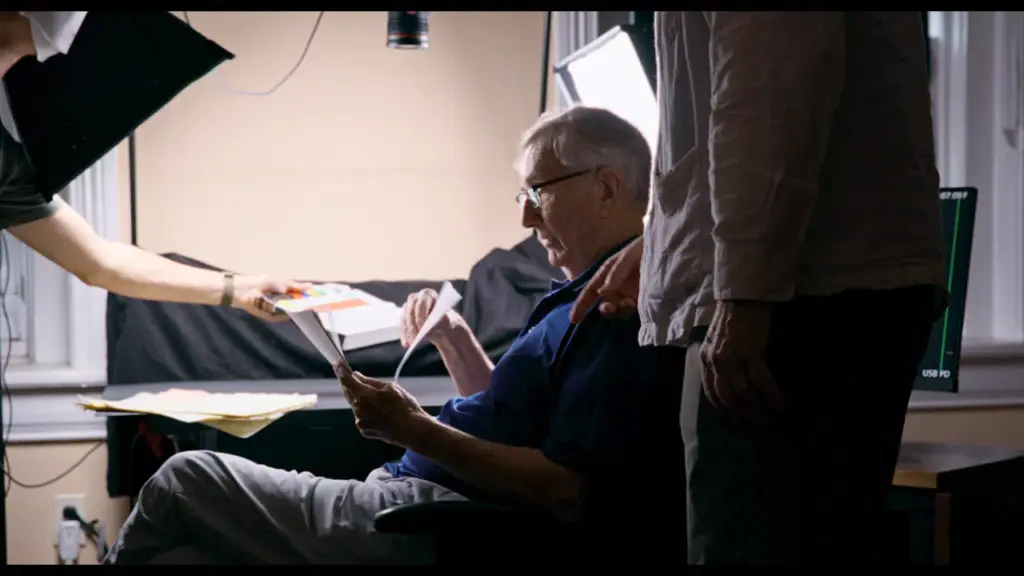
The documentary titled Cover-Up, directed by Laura Poitras in collaboration with Mark Obenhaus, offers an in-depth look at the career of renowned investigative journalist Seymour Hersh. The film highlights Hersh’s unwavering commitment to uncovering the truth and examines the repercussions he faced for revealing corporate and governmental wrongdoing, particularly his interactions with The New York Times.
Exploring the Roots of Self-Censorship
Through interviews and archival footage, Cover-Up sheds light on the pervasive culture of self-censorship that affects the American media landscape. Hersh, known for his groundbreaking reports, contends that fear of retribution and the pressure to conform to mainstream narratives have stifled critical journalism. The documentary not only chronicles his notable investigations but also poses challenging questions about the integrity of the press in a rapidly changing media environment.
Poitras, acclaimed for her previous works, uses this documentary to reflect on the broader implications of Hersh’s experiences. By pulling back the curtain on the challenges faced by journalists, the film serves as a call to action for media professionals and the public alike to advocate for transparency and accountability.
The Impact of Hersh’s Reporting
Throughout his career, Hersh has exposed numerous significant stories, including the My Lai Massacre during the Vietnam War and the covert operations of the U.S. government. His relentless pursuit of truth has often placed him at odds with powerful institutions, leading to a strained relationship with major media outlets. The film illustrates how Hersh’s work has not only informed the public but has also sparked crucial debates about freedom of the press.
The documentary features poignant commentary from industry peers and critics, providing a balanced perspective on Hersh’s legacy. It showcases the tension between journalistic integrity and the pressures exerted by external forces, including corporate interests and government entities.
As viewers engage with Cover-Up, they are invited to reflect on the challenges facing contemporary journalism. The film serves as a reminder of the importance of investigative reporting in upholding democracy and ensuring that the public remains informed about issues that affect their lives.
In conclusion, Cover-Up stands as a significant contribution to the discourse on media ethics and the vital role of investigative journalism. As the challenges of self-censorship continue to loom over the industry, Poitras’ documentary not only honors Hersh’s work but also encourages future generations of journalists to maintain their commitment to uncovering the truth, regardless of the obstacles they may face.