A legal dispute has emerged involving Vertical Harvest, a hydroponic farm in downtown Westbrook, which is being sued for allegedly failing to repay a broker who facilitated a $48.75 million federal loan for the farm’s establishment. The lawsuit was filed on December 19, 2025, by Waterside Commercial Finance, claiming that Raiven Fund Management, a Canadian venture capital firm, and its principal, Paul Dugsin, misled them regarding payment terms related to the loan.
According to the complaint, Waterside entered into a deferred payment agreement that involved a 2% cut of the USDA loan proceeds, amounting to approximately $975,000. Waterside is seeking full restitution, including damages, legal fees, and any penalties deemed necessary by the court.
Operational Context and Company Response
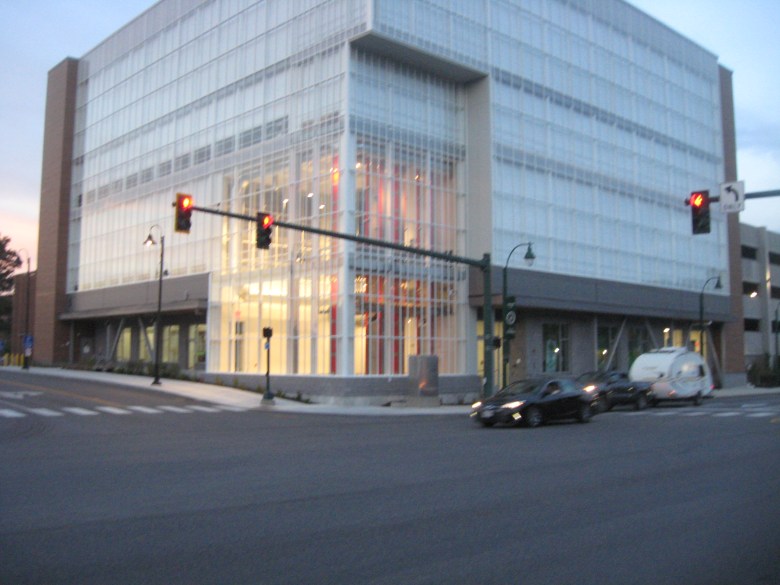
Vertical Harvest is designed as a four-story hydroponic farm with an expected annual output of 3 million pounds of leafy greens. The farm secured nearly $60 million in financing and, following initial construction delays, has commenced operations. In response to the lawsuit, CEO Nona Yehia emphasized the company’s commitment to business operations, stating in an email that the claims against them are “inaccurate and materially misleading.”
Yehia clarified that the lawsuit stems from a complex commercial dispute regarding financing, rather than indicating any operational failures. “We are focused on building revenue and serving our customers as the lawsuit proceeds,” she added.
Details of the Allegations
The lawsuit outlines a sequence of financial agreements between Vertical Harvest and Waterside. Initially, at the closing of the USDA loan, Vertical Harvest paid Waterside $75,000. Subsequently, in April 2024, the two parties entered into a “subordinated note agreement” to establish repayment terms for the remaining $900,000. This agreement stipulated that Waterside would only be compensated after senior lenders were paid, reflecting a typical subordination arrangement.
Should the repayment not occur within eight months, the amount owed would escalate to $1.8 million, with an interest rate of 25% per annum accumulating thereafter. The agreement confirmed that senior lenders approved the payment plan, which was to remain enforceable unless Vertical Harvest could provide written proof of any objections from the USDA or senior lenders.
The lawsuit asserts that Dugsin personally confirmed senior lenders’ approval, thus making him individually liable in this case. Additionally, it alleges a breach of the agreement where Vertical Harvest failed to remit payments after receiving new financing exceeding $500,000 in September 2025, a capital infusion from Raiven that was not disclosed to Waterside.
This legal challenge is not the first financial hurdle for Vertical Harvest. In the fall of 2025, the city of Westbrook filed a lien against the farm, claiming nearly $45,000 in unpaid taxes. At that time, Yehia noted the farm was not yet operating at full capacity.
The ongoing lawsuit and its implications for Vertical Harvest highlight the complexities of financing in the agricultural sector, particularly for innovative ventures like hydroponic farming. As the case progresses, the outcomes could significantly affect the farm’s financial standing and future operations.