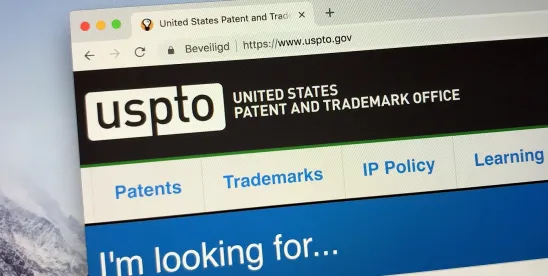
On December 29, 2023, the U.S. Patent and Trademark Office (USPTO) announced the establishment of a Standard-Essential Patent (SEP) Working Group. This initiative aims to enhance innovation and ensure equitable access to patent protections for inventors. The working group will be co-chaired by Nicholas Matich, the Deputy General Counsel for Intellectual Property Law, and Senior Legal Advisor Austin Mayron, and will report directly to USPTO Director John Squires.
The formation of the SEP Working Group is a strategic move to address the challenges faced by patent holders in the realm of technical standards. Many modern technologies, including those in telecommunications, automotive systems, and artificial intelligence, rely on voluntary technical standards that often incorporate patented technologies. These patents represent significant investments and creative efforts by inventors.
According to the USPTO, “Patent holders who contribute their technologies to standards face widespread efforts to devalue their contributions, unclear rules about their rights, and systematic suppression of licensing rates.” The working group is tasked with ensuring a consistent and proper application of patent laws, particularly in areas where patented technologies are integral to technical standards.
Objectives of the SEP Working Group
The SEP Working Group aims to promote a clearer understanding and enforcement of intellectual property laws, focusing on three core objectives. By doing so, the group seeks to foster an environment where innovation can thrive, and inventors receive adequate recognition and compensation for their contributions.
The USPTO has also been active in legal discussions surrounding these objectives. Recently, the office provided two positional briefs in court cases that relate to SEP issues. Director John Squires has expressed a commitment to increasing the value of patents, building on previous initiatives such as enhanced oversight of the Patent Trial and Appeals Board (PTAB) decisions and the development of guidelines for patent eligibility and artificial intelligence.
International Implications
The establishment of the SEP Working Group holds significant international relevance. Many countries face similar challenges regarding standard-essential patents, particularly in terms of licensing and litigation practices. Under Director Squires leadership, the USPTO is indicating a potential shift towards more systematic pro-patent policies.
One notable aspect of this initiative is the USPTO’s position on injunctive relief, which is rarely granted by courts. The office suggests that such relief should be granted more frequently in specific scenarios, signaling a proactive stance in support of patent holders.
As the SEP Working Group begins its work, stakeholders in the industry are encouraged to provide input, ensuring that the perspectives of inventors and businesses are considered. This initiative is expected to pave the way for greater clarity and consistency in patent law enforcement, ultimately driving innovation and economic growth.
The formation of the SEP Working Group reflects a broader commitment by the USPTO to adapt to the evolving landscape of technology and intellectual property. As the group develops its strategies, the implications for inventors and industries worldwide will become clearer, marking a significant step forward for patent protections in the global marketplace.