The United States economy recorded a surprising growth of 4.3 percent in the third quarter of 2025, marking the strongest expansion in two years. This surge comes at a time when fears of recession have been prevalent and overall economic confidence has waned. According to Diccon Hyatt of Investopedia, the growth significantly outpaced earlier predictions, which estimated an increase of approximately 3.2 percent and surpassed the 2.6 percent average seen over the past four years.
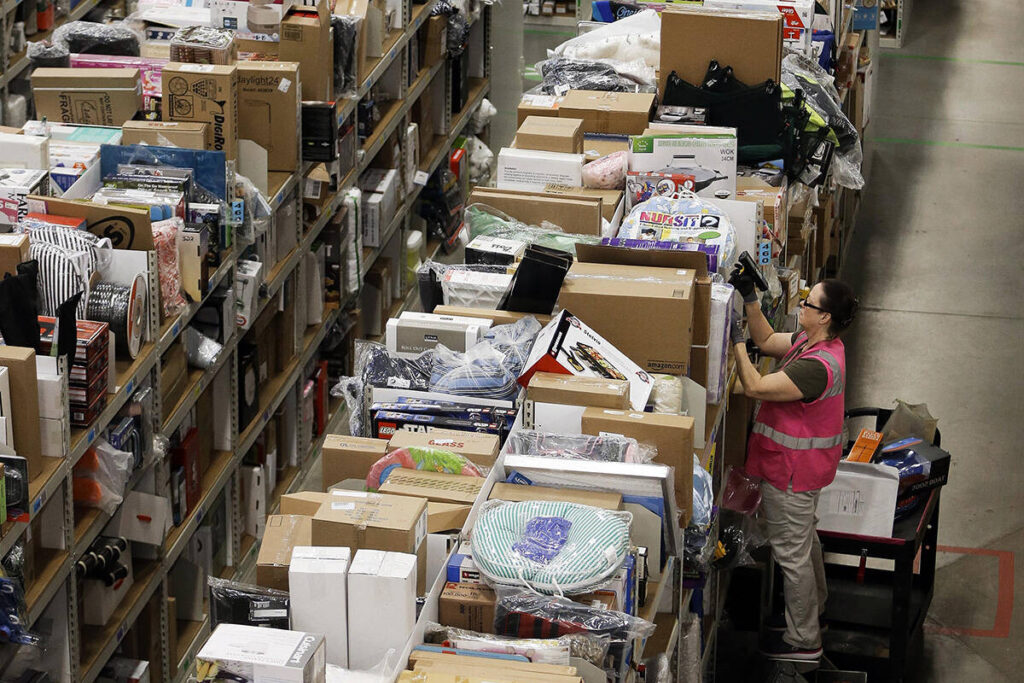
Consumer spending, a critical driver of economic activity, increased sharply, while imports declined, positively contributing to the GDP figures. Additionally, exports and government spending also saw upward trends, producing a broad economic performance that has caught the attention of skeptics.
Concern Over Sustainability and Tariff Impact
While the growth figures offer a boost for the Trump administration, the administration must recognize the complexities behind this momentum. Hyatt points out that the surge in imports fell in part due to businesses and consumers purchasing goods earlier to avoid anticipated higher tariffs. This buying spree, while beneficial in the short term, raises concerns about future demand as it may have siphoned off consumption from subsequent quarters.
The current economic environment presents an opportunity for the administration to capitalize on this growth, which could lead to improved wages and job security for many citizens. However, concerns over “affordability” linger, indicating that this momentum may not be sustainable without strategic policy changes.
Need for Strategic Policy Changes
To ensure that the economic expansion lasts beyond a single quarter, there is a pressing need for the administration to focus on tax and regulatory reform. Lowering taxes, simplifying business regulations, and reducing bureaucratic hurdles could encourage investments and hiring, fostering a stable foundation for growth rather than relying on temporary measures such as tariffs.
As the political landscape shifts, especially with midterm elections on the horizon, the stakes are high for the Republican Party and the White House. Historically, voters tend to favor leaders who convert strong economic performance into lasting prosperity, while punishing those who rely on fleeting gains. A serious commitment to reforming tax and regulatory policies could demonstrate to voters that the administration is invested in creating a robust economic future.
In conclusion, while the latest GDP report is encouraging, the challenges ahead require careful navigation. The administration must act decisively to translate this momentary success into a sustainable trajectory for both the economy and consumer confidence.