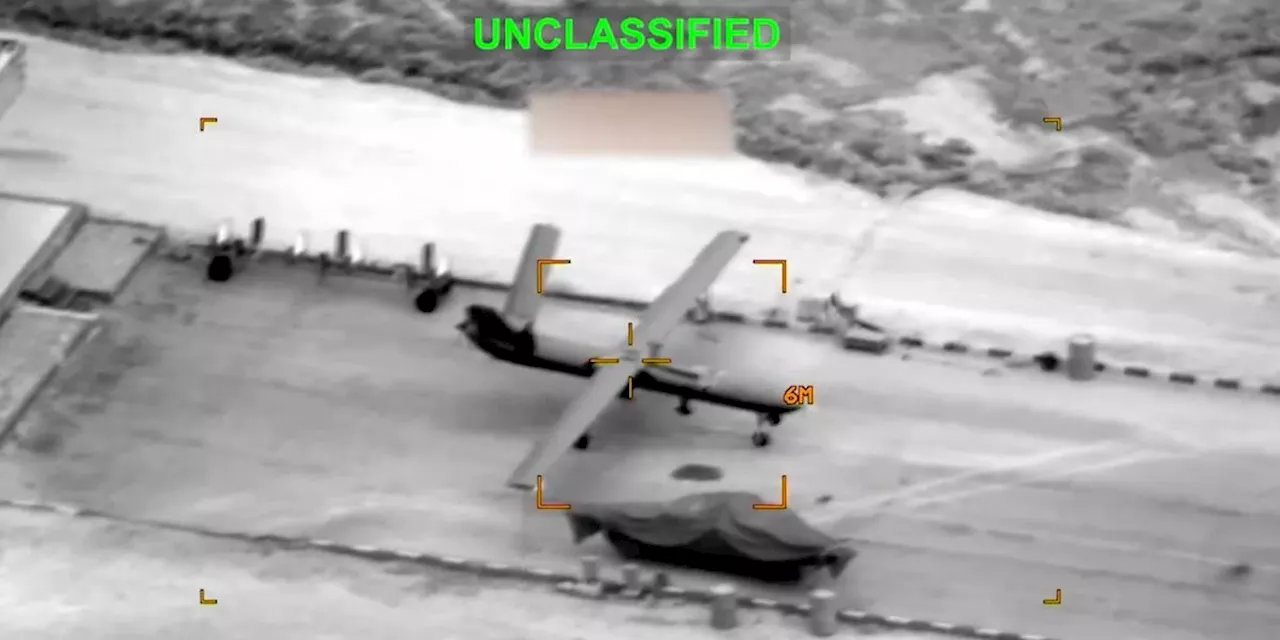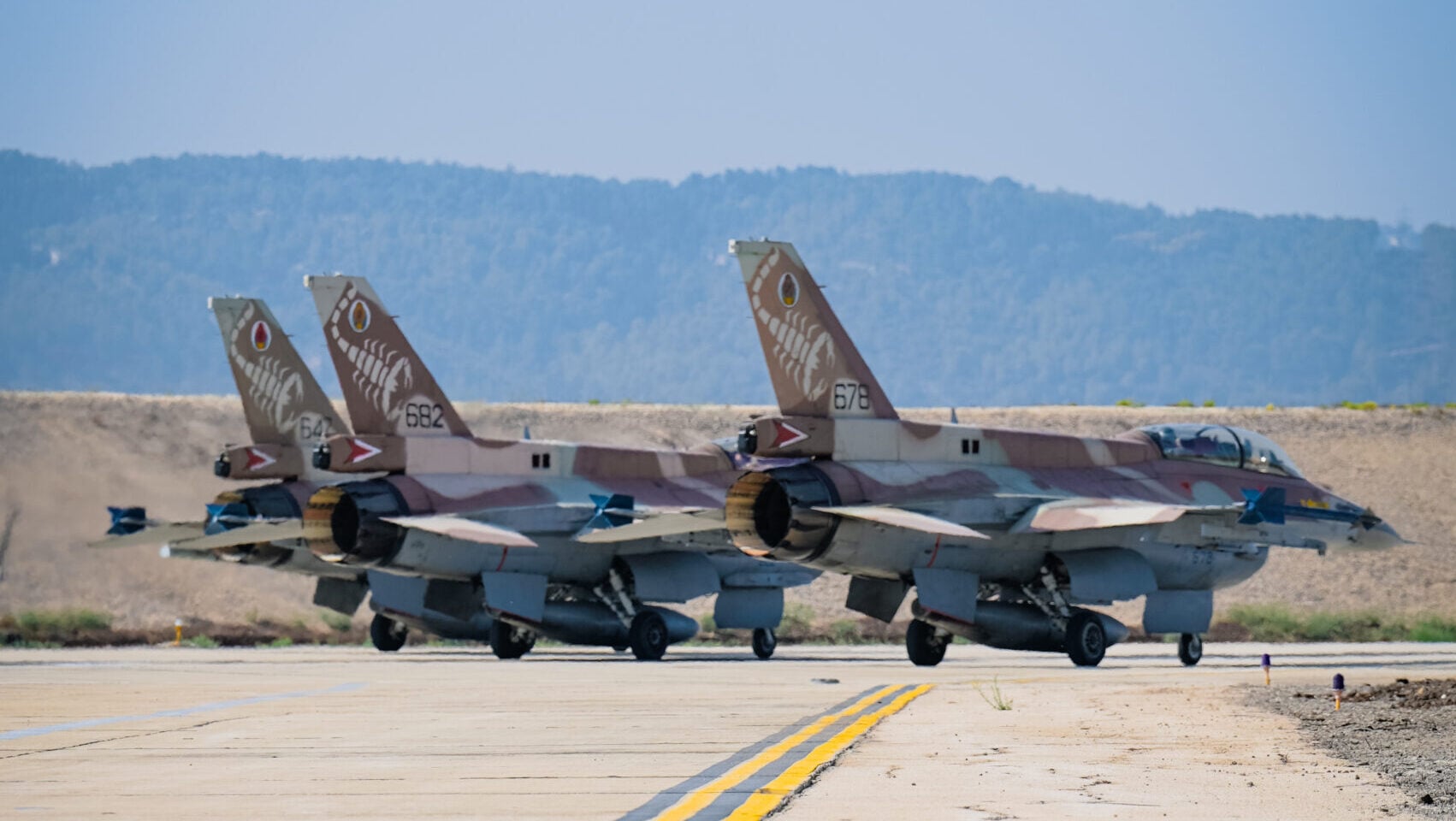
On March 15, 2024, the United States, in coordination with Israel, initiated a series of military strikes aimed at Iranian targets. This operation, known as Operation Epic Fury on the American side and Roaring Lion from the Israeli perspective, involved extensive use of air, land, and sea-launched precision munitions. The strikes reportedly targeted key military infrastructure linked to Iran’s missile capabilities and regional influence.
Details of the Military Operation
The video footage released by US Central Command (CENTCOM) depicts destroyers firing missiles at sea and aircraft carriers launching combat planes. These visuals highlight what CENTCOM describes as “an overwhelming and unrelenting blow” to the Iranian military apparatus. According to military officials, the operation involved the largest concentration of American military firepower in the region in a generation.
Reports indicate that US forces employed Tomahawk cruise missiles launched from warships and utilized the High Mobility Artillery Rocket System (HIMARS) among other weaponry. Similarly, the Israel Defense Forces (IDF) claimed to have mobilized approximately 200 fighters, marking this as the largest military flyover in the history of the Israeli Air Force. The IDF stated that their aircraft targeted around 500 objectives across Iran, including missile launchers and aerial defense systems.
While US officials assert that the operation is designed to dismantle the Iranian regime’s security infrastructure, they have not specified the exact targets struck or clarified which actions were attributable to the US or its Israeli partners.
Casualties and Regional Repercussions
The Iranian government has reported significant casualties, with at least 201 fatalities, including at least 85 individuals at a girls’ elementary school. The Iranian Red Crescent humanitarian group has provided these figures, underscoring the devastating impact of the strikes on civilian areas. Following the US and Israeli attacks, Iranian forces launched retaliatory strikes against multiple nearby nations, including Kuwait, the United Arab Emirates, and Jordan, leading to reported injuries and fatalities due to falling debris.
In the aftermath of these military actions, the US military confirmed that it successfully defended against numerous Iranian missile and drone attacks, noting that while some damage occurred to US facilities, operations remained largely unaffected. Bahrain reported an Iranian missile strike on the headquarters of the US Navy’s 5th Fleet, but details on the extent of damage were not provided.
The escalating conflict has prompted widespread disruptions in air travel, with multiple countries closing their airspaces, impacting one of the busiest flight routes globally. Flights have been canceled across the region, reflecting the heightened tensions and security concerns stemming from the strikes.
In response to the US and Israeli actions, Iranian Foreign Minister Abbas Araghchi condemned the strikes as “wholly unprovoked, illegal, and illegitimate,” warning of further retaliation. Both Israel and the US have indicated that their military operations may continue as they seek to neutralize perceived threats from Iran.
The situation remains fluid, with ongoing developments as both sides prepare for potential further escalation in military engagement. The international community is closely monitoring the fallout from this significant military operation and its implications for regional stability.