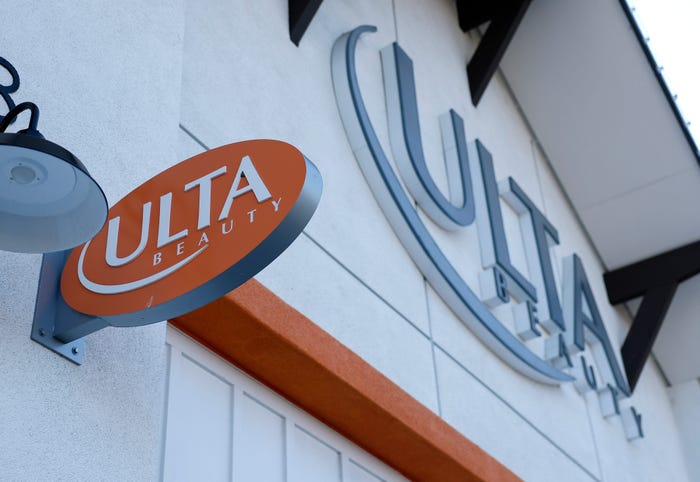
Ulta Beauty has reported significant success from its investment in K-beauty, with the cosmetic retailer achieving net sales of $2.9 billion in the most recent quarter. This marks a 12.9% increase compared to the same period last year, indicating that the company’s strategy to expand its South Korean beauty offerings is resonating with consumers.
In a recent earnings call, Ulta Beauty’s CEO, Kecia Steelman, highlighted that the K-beauty segment is not only driving sales but also attracting a new demographic of customers. Steelman noted that the company’s exclusive partnerships with popular K-beauty brands, such as Medicube and Peach & Lily, are crucial to this growth. She stated, “We saw space for growing K-beauty trends in both skincare and makeup,” emphasizing the importance of agility in building a diverse and exclusive product pipeline.
Exclusive Partnerships and Brand Growth
Ulta Beauty has strategically expanded its K-beauty portfolio, which now includes brands like TIRTIR, Fwee, and Unleashia, in addition to Medicube. The company is the sole U.S. retailer for Medicube products, which have gained celebrity endorsements from figures like Kylie Jenner and Hailey Bieber. Steelman remarked that some K-beauty products, particularly those marketed as fun and appealing, have captured the attention of younger consumers. For instance, the pimple-patch brand Starface, known for its colorful and whimsical designs, has seen increased popularity driven by social media.
Ulta’s focus on K-beauty aligns with broader trends within the U.S. cosmetics market. According to NielsenIQ, K-beauty has emerged as a $2 billion industry in the U.S. as of July 2025, reflecting a 37% growth compared to the previous year. Beauty retail experts attribute this surge to the affordability and quality of K-beauty products, making them accessible to a wide audience. Anna Keller, a principal analyst at market research firm Mintel, noted, “They’re super affordable, so you’re getting high-quality, effective products without breaking the bank.”
Future Prospects and Competitive Landscape
As Ulta Beauty continues to invest in K-beauty, it faces growing competition in the market. Rivals, including Sephora, are also seeking exclusive partnerships with K-beauty brands, particularly ahead of the anticipated entry of South Korean beauty retailer Olive Young into the U.S. next year. This competitive landscape adds urgency to Ulta’s strategy, as it aims to solidify its position as a leader in the K-beauty segment.
Following the earnings announcement, Ulta Beauty’s stock price rose by nearly 6% in after-hours trading, demonstrating investor confidence in the company’s prospects. Over the past year, the stock has increased by approximately 33%, further underscoring the positive reception of its K-beauty initiative.
Overall, Ulta Beauty’s commitment to expanding its K-beauty offerings appears to be a sound strategy, contributing significantly to its sales growth and positioning the company for continued success in the evolving beauty market.