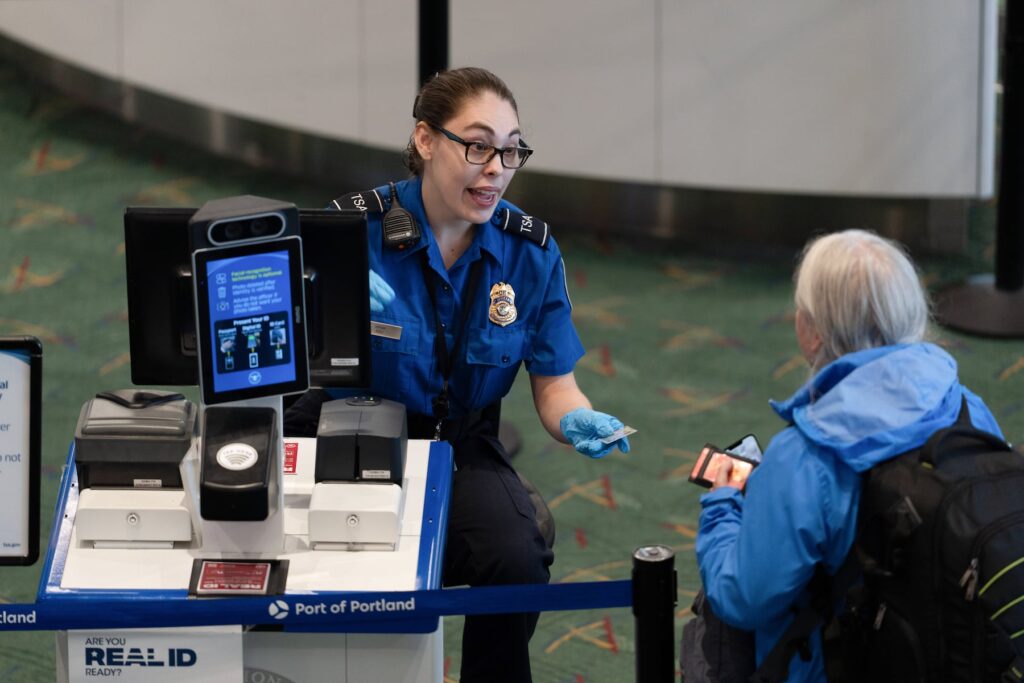
The Transportation Security Administration (TSA) will introduce a fee of $45 for air travelers who do not present an acceptable form of identification starting on February 1, 2026. This new policy aims to streamline the security process while ensuring that all passengers are properly identified before boarding flights.
Travelers without a REAL ID or other compliant identification will be directed to use TSA Confirm.ID, an alternative identity verification system. According to a TSA news release, the $45 fee will allow these passengers to utilize TSA Confirm.ID for a travel period of up to 10 days. The agency noted that this fee is aimed at travelers who wish to fly despite lacking acceptable identification.
Details on Acceptable Forms of Identification
The TSA has outlined several forms of identification that are deemed acceptable, including the REAL ID, which is a compliant driver’s license issued by state Departments of Motor Vehicles (DMVs). Other acceptable IDs listed by the TSA include state-issued Enhanced Driver’s Licenses, U.S. passports, U.S. Department of Defense IDs, permanent resident cards, border crossing cards, and trusted traveler cards issued by the Department of Homeland Security.
Currently, over 94% of air passengers present acceptable forms of ID, according to TSA statistics. However, those without such identification should expect longer wait times at security checkpoints.
The announcement of the new fee marks a significant increase from the $18 fee that was proposed in November. “The vast majority of travelers present acceptable identification like REAL IDs and passports, but we must ensure everyone who flies is who they say they are,” stated Adam Stahl, the senior official performing the duties of deputy administrator for TSA. He emphasized the importance of maintaining security while also alleviating potential burdens on taxpayers.
Future Implementation Plans
The TSA is working to standardize the implementation of this process across various U.S. airports. The agency aims to facilitate online pre-payment options for travelers prior to their arrival at the airport. This initiative is designed to minimize delays and enhance the overall travel experience.
Stahl reiterated the importance of obtaining a REAL ID or another acceptable form of identification to avoid complications. “This fee ensures the cost to cover verification of an insufficient ID will come from the traveler, not the taxpayer,” he added. The TSA encourages all passengers to prepare in advance to ensure a smooth travel process, thereby reducing the likelihood of missing flights due to identification issues.