In her recent commentary, “Washington must get serious about water security in the Southwest,” Laura McSwain underscores a pressing issue: the Southwest United States is grappling with a severe water crisis not due to a lack of resources, but rather a deficiency in infrastructure. Each year, storms in California send billions of gallons of runoff directly into the Pacific Ocean, while states like Nevada face water rationing and shortages.
Infrastructure Challenges and Historical Precedents
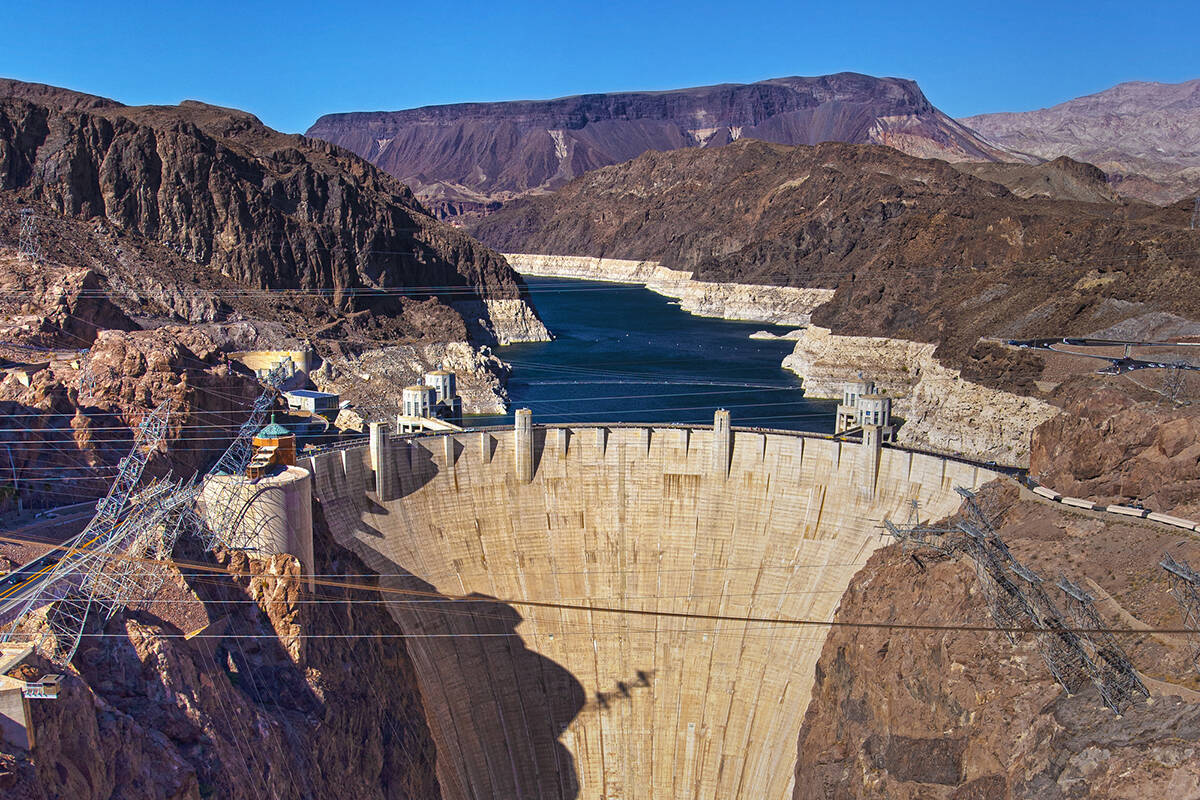
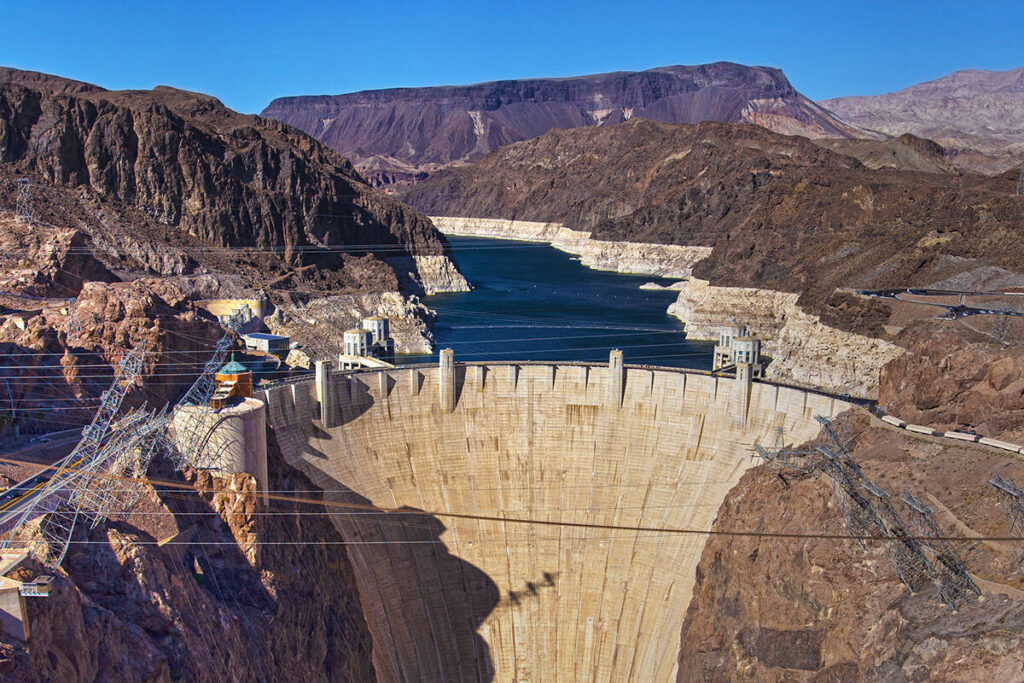
The contrast between available water and the inability to manage it highlights a policy failure rather than an environmental inevitability. Scientific assessments indicate that a single storm can provide enough runoff to replenish both Lake Mead and Lake Powell. Yet, the existing infrastructure fails to capture and redirect this vital resource.
Historically, the United States has demonstrated the capacity to address large-scale infrastructure challenges. In the 1800s, the nation constructed extensive pipelines to transport petroleum from resource-rich states to those in need. The 1930s saw the electrification of rural America, and in the 1950s, the development of the interstate highway system connected the entire country. These initiatives succeeded because they were treated as national priorities, rather than regional inconveniences.
The Need for Commitment and Technological Solutions
The current water crisis demands a similar level of commitment. California has the potential to significantly reduce its dependence on the Colorado River by fully utilizing technologies such as desalination, stormwater capture, and wastewater recycling. In doing so, the state could not only meet its own needs but also share excess captured rainwater with neighboring Nevada.
While the technology to address these water management issues exists, what remains lacking is the political will to enact meaningful change. If the Southwest does not establish a reliable water supply, other vital efforts, such as environmental conservation and infrastructure development, will become increasingly irrelevant.
Addressing this water crisis requires decisive action and a commitment to modernizing infrastructure. By prioritizing water security, the government can ensure a sustainable future for the Southwest region, ultimately benefiting millions of residents and supporting economic stability.