The recent decision by the U.S. Supreme Court to strike down many of the tariffs imposed by the Trump administration has sent ripples through the retail sector. As major retailers like Home Depot and TJX prepare to report their earnings this week, the implications of these tariff changes are at the forefront of discussions among investors and analysts.
The ruling, which occurred in early October 2023, has raised questions about the future pricing strategies of various retailers. While the removal of tariffs on goods previously subjected to steep import duties may lead to cost reductions, uncertainty remains about how this will affect overall revenue and profitability.
Retailers had been grappling with the financial burdens imposed by tariffs, which had often led to increased prices for consumers. With the Supreme Court’s ruling, companies will now have to navigate a complex landscape of potential refunds and shifting supply chain dynamics. Many chains are expected to reassess their pricing strategies in response to these developments.
Impacts on Major Retailers
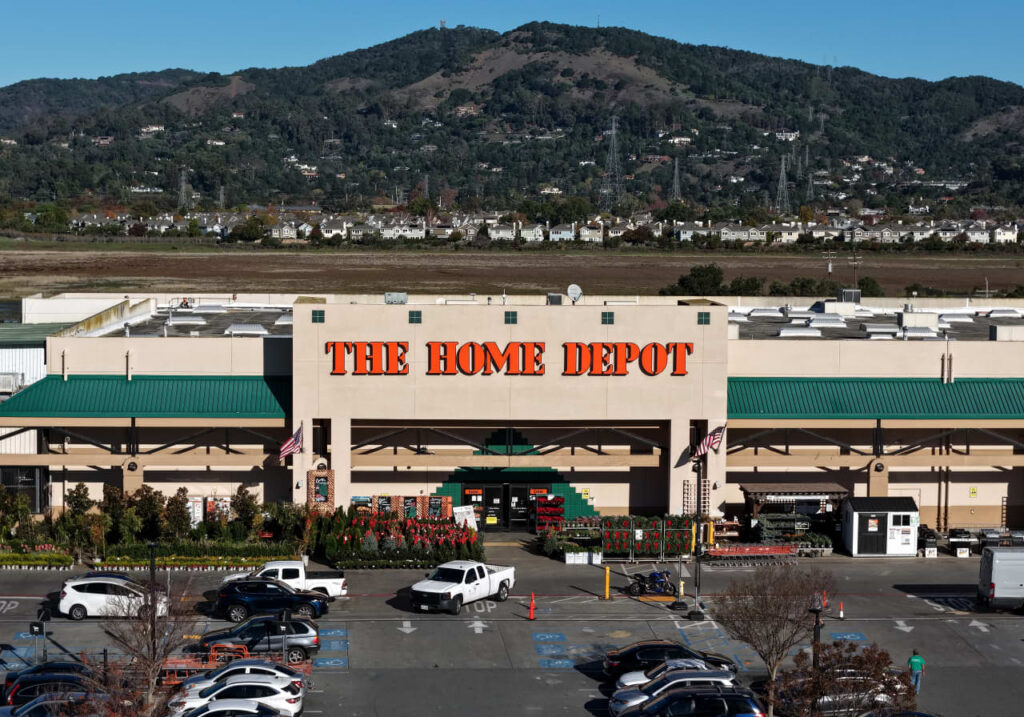
For Home Depot, the largest home improvement retailer in the United States, the effects of tariff changes could be significant. The company has previously reported that tariffs contributed to rising costs and squeezed profit margins. As the retailer prepares its earnings report, analysts are keen to see how it will leverage the removal of these tariffs to stimulate growth.
Similarly, TJX, which operates popular off-price retailers such as T.J. Maxx and Marshalls, faces its own set of challenges. The company traditionally benefits from lower prices on imported goods. The Supreme Court’s ruling may provide an opportunity for TJX to enhance its competitive edge, but the retailer must also contend with ongoing supply chain issues that have plagued the industry.
Broader Implications for the U.S. Retail Landscape
The implications of this Supreme Court ruling extend beyond individual companies. The entire U.S. retail sector is watching closely, as many chains rely heavily on imported goods. According to a report from the National Retail Federation, the overall cost of goods sold for retailers has increased by approximately 10% since 2018 due to tariffs.
With the tariffs now largely dismantled, the expectation is that consumers may see lower prices in the coming months. However, this will depend on how quickly retailers adjust their pricing models and whether they pass on the savings to customers.
While the immediate future looks promising for some retailers, the uncertainty surrounding supply chains, inflation, and consumer demand continues to loom large. As these companies report earnings this week, investors will be looking for insights into how they plan to navigate the changing landscape in the wake of the Supreme Court’s decision.
In summary, the recent tariff changes present both opportunities and challenges for Home Depot, TJX, and the broader retail sector. As retailers prepare to unveil their earnings, the effects of these policy shifts will likely dominate discussions in the coming weeks.