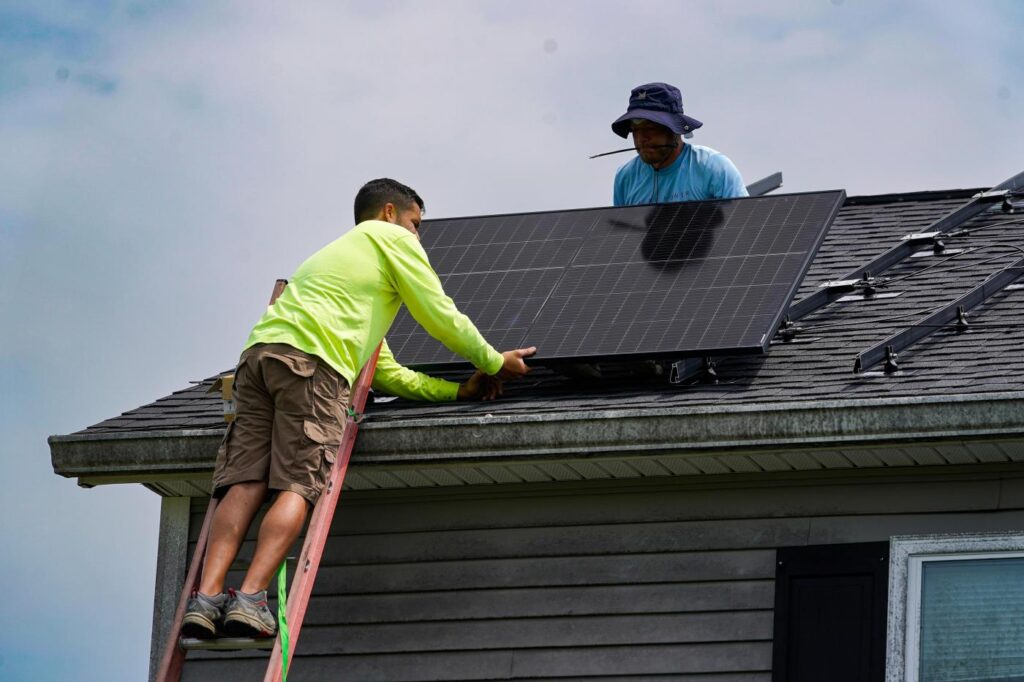
Residents in Virginia who rely on rooftop solar panels for energy may soon face significant changes to their savings. Dominion Energy has proposed new regulations that threaten to substantially reduce the financial benefits of solar energy for families and could discourage further adoption of solar technology. The proposed rules aim to alter the current net metering system, which allows homeowners to receive credits for surplus electricity they contribute to the grid.
Net metering has enabled thousands of Virginia households to share excess energy with their neighbours. Under the current system, families receive credits based on their total energy production over a year. The new proposal would cut solar credits by one-third and change the way these credits are calculated, resetting every 30 minutes instead of annually. This shift could disadvantage families who are not home during the day, diminishing the value of their solar systems.
The proposed changes have drawn criticism for favoring Dominion Energy’s profits at the expense of solar households. Brandon Praileau, Virginia program director for Solar United Neighbors and pastor of Wesley Union A.M.E. Zion Church in Norfolk, described the proposal as a “dirty math trick” that undermines the economic benefits families have earned by participating in solar energy generation.
Impact on Solar Adoption and Community Savings
Current regulations in Virginia allow homeowners to size their solar systems according to their annual energy needs, providing a stable and reliable framework. The State Corporation Commission (SCC) has already rejected similar moves by Appalachian Power to alter net metering rules, emphasizing the importance of an annual netting period for an effective program. While the SCC’s decision does not guarantee the same outcome for Dominion, it signals a clear stance on fair crediting practices in Virginia.
The implications of these changes extend beyond solar owners. As more households adopt solar technology, the community as a whole benefits from reduced strain on the grid during peak demand times. When families receive a fair retail credit for their contributions, they are more likely to invest in solar systems. This widespread adoption can lead to lower electricity costs for all ratepayers.
Virginia residents facing rising utility costs may find net metering particularly valuable as a means of stabilizing their electricity bills. As more households opt for solar energy, the overall demand on the grid lessens, resulting in a more efficient energy system that can defer costly infrastructure investments.
Call to Action for Virginians
The potential changes to net metering have sparked a call to action for Virginians, particularly those who do not currently own solar systems. Praileau urges citizens to engage in the conversation by submitting public comments and registering to speak at the upcoming hearing on January 20, 2024. Registration for participation closes on January 13, 2024.
Current solar owners would be grandfathered under the existing rules, but any changes could severely impact families considering solar investments in the future. Maintaining a 1:1 retail credit for energy sent to the grid and preserving the annual netting period are crucial for ensuring the continued viability of solar energy in Virginia.
As discussions progress, it is essential for residents to advocate for policies that recognize and reward their contributions to sustainable energy, rather than diminishing them.