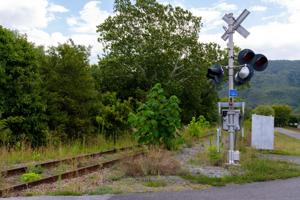
Two private rail operators have expressed interest in revitalizing the dormant rail corridor in the northern Shenandoah Valley, marking a significant shift in the ongoing debate regarding the future of this 48-mile stretch. The announcements from Railroad Investment Corporate Holdings Inc. and SMS Rail Service come as state leaders consider transferring responsibility for the corridor from the Virginia Department of Transportation to the Virginia Passenger Rail Authority. Their proposals also involve partnering with the Shenandoah Valley Battlefields Foundation to develop a recreational trail while preserving the rail infrastructure.
Neither company has signed a binding operating contract yet, but their interest represents a new phase in discussions that have previously focused on feasibility studies and differing visions for the corridor’s future. Railroad Investment Corporate Holdings Inc. (RICH), based in North Carolina and known for operating the Potomac Eagle Scenic Railroad in West Virginia, has engaged with local stakeholders for several years.
In a release on December 15, RICH detailed its collaboration with the Northern Shenandoah Valley Transportation Preservation Corporation and the Shenandoah Valley Battlefields Foundation. The company submitted a comprehensive 227-page operating proposal in August 2024, outlining a rail-with-trail concept that includes excursion trains, freight services, and railbike operations.
RICH President Robert Franzen highlighted the significance of the recent developments, stating, “With recent developments advancing the process, we felt it was important to publicly affirm our involvement and our strong belief in the railroad’s long-term potential.” He emphasized the corridor’s viability, arguing that if RICH did not see operational potential, they would not have invested time and resources into pursuing this opportunity.
Franzen envisions a mix of tourism and freight services tailored to enhance the Shenandoah Valley’s appeal. He noted the region’s scenic beauty and accessibility via Interstate 81 as key factors for success. “This is a good recipe for excursion trains and events like our North Pole Express,” he said, adding that local businesses have expressed interest in freight services if rail operations resume.
In response to arguments that if rail service was viable, it would already be operating, Franzen pointed out that larger operators such as Norfolk Southern prioritize long-distance freight and may not be inclined to run additional local services. He stated, “Smaller operations like ours are better positioned to build this ‘carload’ business.”
RICH anticipates a phased reopening of the corridor, suggesting that trains could be running within one to two years, with full operations expected within three to five years. The first phase would likely involve sections of the corridor that have remained connected to the national rail network.
SMS Rail Service, based in New Jersey, has also submitted a proposal for operating the corridor, focusing on the section between Front Royal and Broadway. The company believes that the corridor can be revitalized through a rails-with-trails concept, which would restore freight service while creating tourism and recreational opportunities.
“Our team sees enormous potential in this corridor,” said Jim Pfeiffer, chief operating officer of SMS Rail Service. He emphasized the need for investment, operational expertise, and community partnerships to transform the corridor into a vital economic asset for the region.
The interest from these operators follows the release of a three-phase study by the Virginia Department of Transportation. The study indicated that constructing a trail alongside existing rail infrastructure would be more complex and costly than a trail-only conversion. Nonetheless, it confirmed that a trail could fit within the existing rail right-of-way.
State officials are considering a framework where the Virginia Passenger Rail Authority would acquire the corridor, the Battlefields Foundation would lead trail development, and the rail infrastructure would be preserved for potential future use.
While the rail operators are advocating for the preservation of rail infrastructure, a coalition of agricultural and industrial groups has also voiced support for this initiative. Organizations such as the Shenandoah County Farm Bureau, which represents over 1,600 members, along with the Virginia Poultry Federation and the Virginia Cattlemen’s Association, have endorsed the rail-with-trail concept.
Conversely, the trail-only vision is supported by the Shenandoah Rail Trail Exploratory Partnership, which includes nine towns and three counties along the corridor. This partnership has received formal resolutions of support for a full trail conversion, warning that requiring rail preservation could complicate or delay a project that already enjoys widespread local backing.
As discussions continue, the future of the Shenandoah corridor remains uncertain, with the potential for revitalization hinging on the cooperation of stakeholders, community support, and state decisions regarding the corridor’s management.