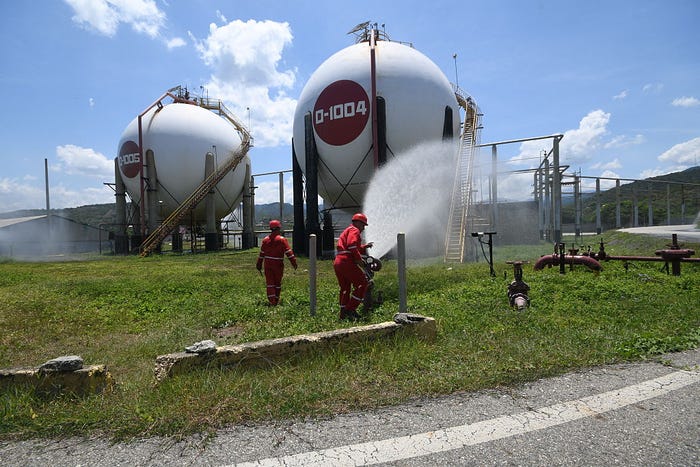
The recent military action by the United States against Venezuela has triggered significant attention in global oil markets, particularly regarding the nation’s substantial oil reserves. Venezuela currently possesses an estimated 303 billion barrels of oil, which accounts for approximately one-fifth of the world’s total reserves. As the situation unfolds, experts are closely monitoring how this will influence crude oil prices, which are directly linked to what consumers pay at the pump.
The immediate aftermath of the US assault has raised questions about the stability of Venezuelan oil production and its potential effects on global supply. Despite Venezuela’s vast reserves, it currently contributes less than 1% of daily global crude oil production. This limited output suggests that any disruptions to Venezuela’s oil industry might not significantly affect international prices in the short term.
Impact on Oil Prices
Current reports indicate that Venezuela’s oil infrastructure remained largely intact following the recent military actions. This minimization of disruption is crucial for maintaining stability in the global oil market. Additionally, forecasts predict that the global oil surplus could reach record levels by 2026, further tempering price fluctuations stemming from Venezuela’s situation.
The price of crude oil has experienced a notable decline since the beginning of last year, prompting speculation about future trends. Should US companies begin to tap into Venezuela’s reserves, the introduction of additional oil into an already saturated market could further depress prices. This scenario presents a complex challenge for US firms: increased production may lead to lower profitability as prices fall due to an oversupply.
Another factor to consider is that oil trading does not occur over the weekend, meaning that market reactions will not be immediate. Instead, traders will likely assess the longer-term implications of US actions in Venezuela on global oil supply. The situation necessitates careful observation as any new developments could shift market dynamics significantly.
Consumer Impact
For everyday Americans, fluctuations in oil prices translate directly to what they encounter at fuel stations. The ongoing developments in Venezuela and the potential for increased US production could ultimately shape the cost of living for consumers. As the market responds, individuals will feel the impact of these geopolitical actions through their daily expenses.
In summary, while the situation in Venezuela is critical, the broader context of global oil supply and production capabilities suggests that immediate repercussions on oil prices may be limited. As the global market adapts, the decisions made by US companies regarding Venezuelan oil will play a significant role in determining future price trends.