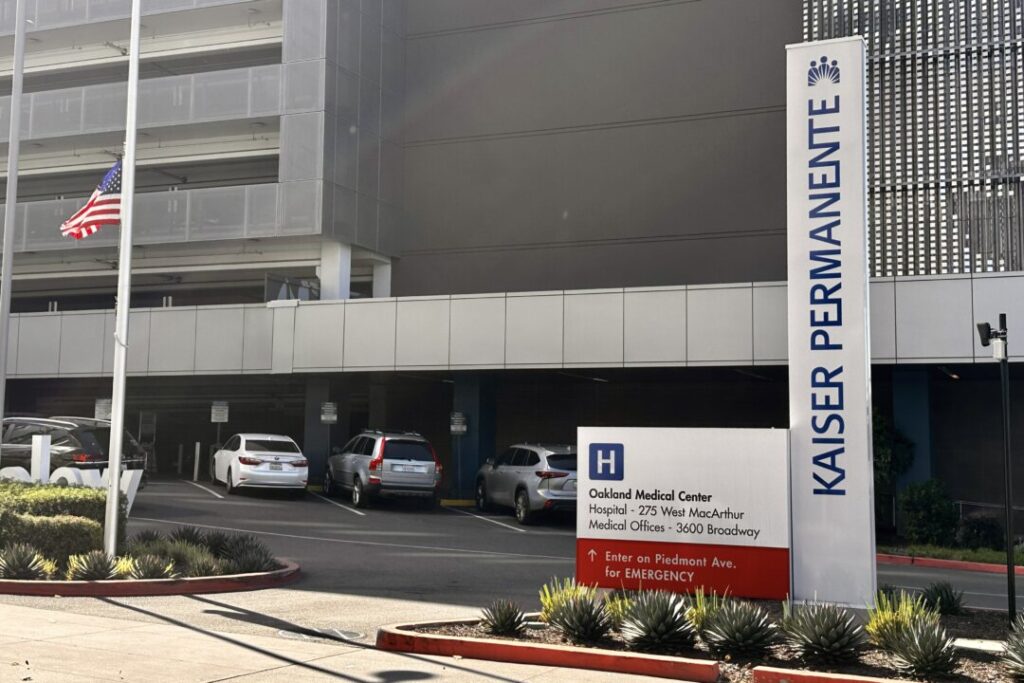
Kaiser Permanente has agreed to pay $556 million to settle allegations of Medicare fraud related to its Advantage Plan enrollees. The settlement addresses claims that the healthcare system, based in Oakland, California, submitted invalid diagnosis codes to receive inflated federal payments.
The allegations stem from a lawsuit filed by former employees Ronda Osinek and James M. Taylor, who acted as whistleblowers. In 2021, the U.S. Department of Justice initiated a complaint in the Northern District of California, asserting that Kaiser engaged in a fraudulent scheme in both California and Colorado. The complaint details how the organization submitted false claims for risk adjustment payments, which are designed to provide additional funds for healthcare providers based on the health status of their enrollees.
According to the lawsuit, between 2009 and 2018, Kaiser Permanente added approximately half a million inaccurate diagnoses to its records. This manipulation reportedly resulted in the company receiving over $1 billion in additional Medicare payments. The settlement marks a significant financial consequence for Kaiser, highlighting the serious implications of submitting inaccurate health information.
Kaiser Permanente has stated that it does not admit to any wrongdoing as part of the settlement. The company emphasized its commitment to providing high-quality care and ensuring compliance with all applicable regulations. In a public statement, a representative noted, “We are focused on improving our processes and continuing to deliver the best care for our members.”
The settlement reflects ongoing scrutiny of Medicare Advantage programs, which have drawn attention for potential fraudulent activities. As the federal government continues to tighten regulations, healthcare providers are increasingly held accountable for their billing practices. This case serves as a reminder of the importance of accurate reporting and the potential consequences of non-compliance.
With this resolution, Kaiser Permanente aims to move forward while addressing the issues raised by the whistleblowers. The healthcare system is now expected to enhance its internal checks and balances to prevent similar incidents in the future.
The implications of this settlement extend beyond Kaiser Permanente, signaling to other healthcare organizations the need for diligence in their reporting practices. As regulatory bodies increase oversight, healthcare providers must navigate a complex landscape, balancing compliance with the delivery of quality care to their patients.