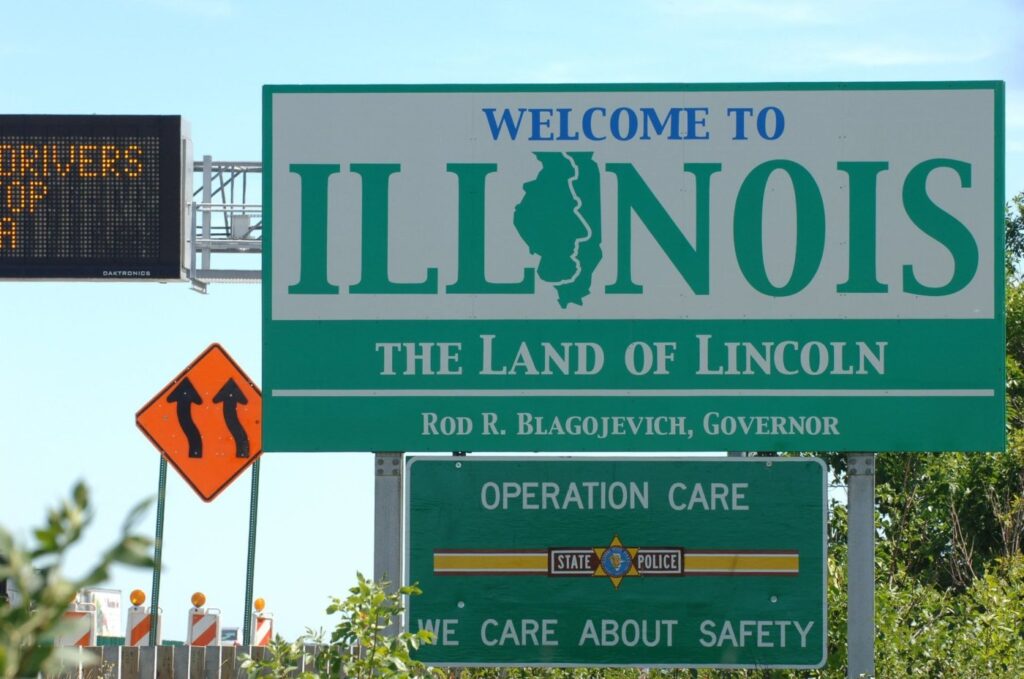
Recent data from the U.S. Census Bureau reveals that Illinois is experiencing minimal population growth, with an increase of only 16,108 residents over the past year. This brings the state’s total population to approximately 12.7 million, maintaining its status as the sixth-largest state in the United States. While some may view this slight growth as a positive sign, the numbers highlight a troubling trend of stagnation compared to more rapidly growing states.
In stark contrast, South Carolina emerged as the fastest-growing state, adding nearly 80,000 new residents during the same period. Other states, including Idaho, North Carolina, Texas, and Utah, also outpaced Illinois in terms of population gains. This trend is particularly concerning given that Illinois has faced numerous challenges, including harsh winters, economic difficulties, and high taxation.
Migration Patterns Shift to Warmer Climates
Illinois has become a state where many residents are choosing to leave. According to an analysis by Coastal Moving Services, approximately 139,399 people relocated from Illinois between 2020 and 2024, with 56,000 departing just last year. The state’s sluggish growth is exacerbated by high outbound migration rates, as people seek warmer climates and more affordable living conditions in states such as North Carolina, which saw a net migration of nearly 140,000 newcomers in 2024 alone.
The allure of warmer weather and lower property taxes is driving many to relocate. For instance, North Carolina’s population exceeded 11 million, with significant growth attributed to domestic migration. Meanwhile, Illinois has struggled to retain its residents, particularly as neighboring states like Indiana, Wisconsin, and Missouri vie for new arrivals.
Economic and Political Implications
The demographic shifts have significant implications for Illinois, particularly in terms of political representation and economic vitality. A declining population results in fewer congressional seats, diminishing the state’s influence in Washington, D.C. Illinois lawmakers have faced criticism for failing to address the long-term impacts of population loss while continuing to prioritize their political agendas.
As fewer new residents replace those leaving, the remaining population bears an increasing tax burden. This situation raises concerns about the viability of large-scale housing developments, like the proposed 800-acre project in Mundelein, owned by the Wirtz family, known for their ownership of the Chicago Blackhawks. Such ambitious plans may need to be reassessed if population growth continues to stagnate.
The ongoing migration patterns reflect broader trends in the United States, where individuals are increasingly drawn to states that offer better job prospects, lower taxes, and appealing lifestyles. With Illinois’ growth remaining flat, the state faces an uncertain future, particularly as it competes with other regions for businesses and residents.
As of now, the prospect of reversing this trend seems challenging. Illinois must find new ways to attract and retain residents to secure its economic future and maintain its political influence.