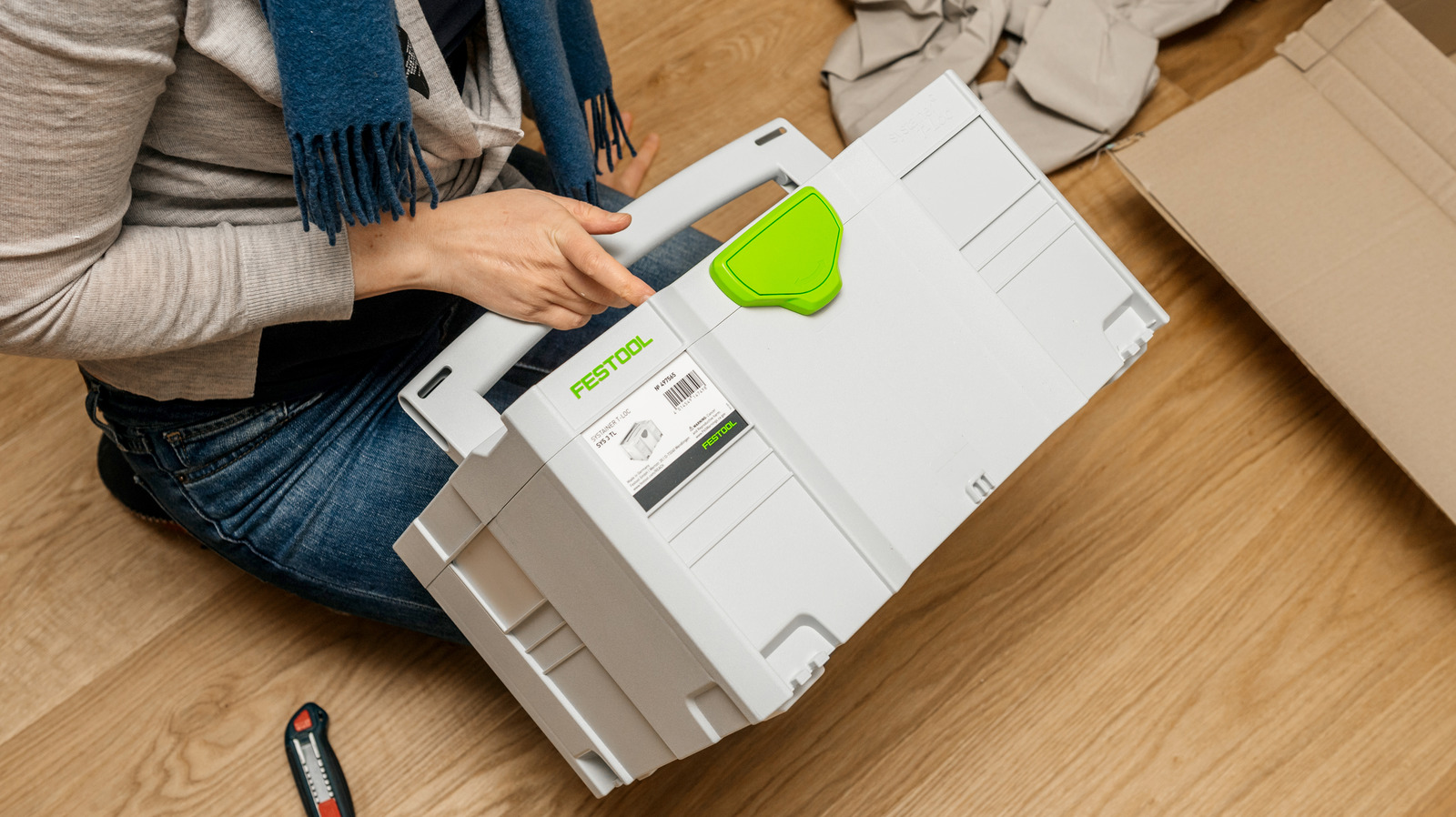
Festool, a renowned German power tool manufacturer, produces approximately 80% of its products in Germany, a notable feat in today’s globalized economy. Established in the 1920s by Albert Fezer and Gottlieb Stoll, Festool remains committed to its roots, emphasizing quality and craftsmanship in an industry often marked by outsourced production.
The company originated as Fezer & Stoll and underwent several branding changes, becoming Festo in the 1960s, Festo Tooltechnic in 1992, and finally rebranding to Festool in 2000. Despite these changes, the core values and manufacturing practices have remained steadfast. Currently, Festool operates under the umbrella of TTS Tooltechnic Systems, alongside brands like SawStop and Shaper, while maintaining its family-owned status.
Historical Foundations and Manufacturing Locations
Festool’s journey began in Esslingen am Neckar, located near Stuttgart. This region has remained pivotal to the company’s identity. In 2000, the headquarters moved to Wendlingen, ensuring that the company stayed anchored in its historical roots. The Wendlingen site now houses vital functions such as research and development, logistics, and quality assurance.
Festool’s production facilities are concentrated in Germany, particularly in the Baden-Württemberg area. The two primary plants are located in Neidlingen and Weilheim an der Teck. Neidlingen, recognized multiple times as “Factory of the Year,” serves as a key production hub. The Weilheim facility, a modern 10,000 square-meter site, contributes significantly to the company’s output as well.
Another critical facility is the Illertissen plant in Swabian Bavaria, which specializes in the development and manufacturing of mobile dust extractors. In addition to its German operations, Festool has a factory in Česká Lípa, Czech Republic, where large-volume production runs adhere to the same high standards as its German counterparts.
Production in the United States
Festool’s commitment to quality extends beyond Europe. The company also operates a manufacturing facility in Lebanon, Indiana, where it produces guide rails for routers, track saws, and jigsaws. This facility allows Festool to serve the North American market effectively while maintaining its reputation for precision and quality.
Overall, Festool exemplifies a straightforward narrative in a complex industry. With a focus on high-quality manufacturing in Germany, alongside strategic operations in the Czech Republic and the United States, the company stands as a testament to enduring craftsmanship in power tools. As consumers increasingly seek reliable and well-made products, Festool’s dedication to its heritage and consistent production practices positions it favorably in the competitive landscape of power tools.