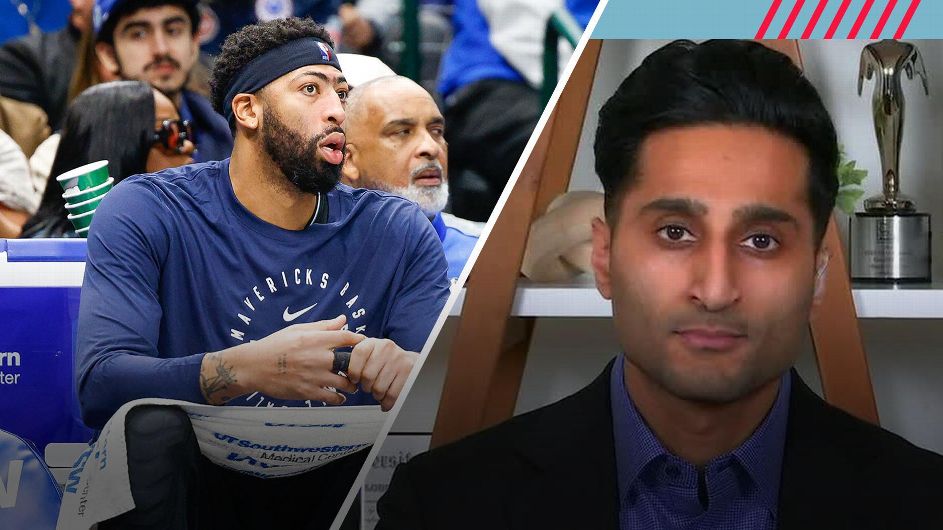
The trade rumors surrounding Anthony Davis are heating up as the NBA approaches its unofficial trade season. With players signed in the offseason becoming eligible for trades starting Monday, teams such as the Atlanta Hawks, Toronto Raptors, and Eastern Conference leaders Detroit Pistons have emerged as potential suitors for the Mavericks’ 10-time All-Star forward. As the Mavericks explore various options, including the possibility of extending Davis this offseason, interested teams must consider significant risks associated with his age, injury history, and contract status.
Davis, who will turn 33 in March, has proven to be a game-changer when healthy. His performance in the 2019-20 season with the Los Angeles Lakers highlighted his ability to elevate a team’s status, leading to an NBA championship. Despite this, potential trading partners must weigh the implications of acquiring a player with a history of injuries and a hefty contract, which still owes him $120 million over the next two seasons.
As the Mavericks navigate this complex situation, their newly restructured front office faces critical decisions about whether to trade Davis before the deadline or wait until the offseason when his value could potentially rise.
Assessing the Risks of a Trade for Dallas
Davis’s impact on the court is undeniable. His career accolades include ten All-NBA and All-Defensive honors, as well as a championship ring. His statistics prior to joining the Mavericks were impressive; he averaged 25.7 points and 11.9 rebounds in 41 games. However, his time in Dallas has been marred by injuries. Following a trade that saw him join the Mavericks, he played only nine games before suffering additional setbacks, including eye surgery and a calf strain.
Currently, Davis is on pace for fewer than 52 games this season, a concerning trend for any team considering a trade. While his performance metrics still indicate he can contribute as a reliable scorer and rebounder, his injury history raises questions about his long-term durability and effectiveness.
The decision facing the Mavericks is whether to extend Davis’s contract, which would make him eligible for a four-year, $275 million extension in August. The implications of such a contract, especially for a player nearing the end of his prime, make a trade a more attractive option for the franchise.
Potential Trade Scenarios and Their Implications
As interest from multiple teams grows, various trade proposals have surfaced. The Pistons, for instance, could offer a package including Tobias Harris, Jaden Ivey, and Ronald Holland II. This trade would allow Detroit to capitalize on its early success while gaining a veteran presence in Davis. For the Mavericks, acquiring younger talent like Ivey and Holland may align better with their long-term goals, despite the lack of immediate draft picks.
Another scenario involves the Hawks, who could propose a multi-team deal that includes several players and draft picks. Such a complex arrangement might offer the Mavericks additional flexibility and future assets. This would require navigating potential salary-cap implications, especially if key players like Trae Young are involved in any transaction.
The Raptors could also become involved, presenting a deal that features R.J. Barrett and Jakob Poeltl. This trade would help Toronto strengthen its roster while providing the Mavericks with a young, versatile player in Barrett, who could fit well alongside their promising young core.
Each of these scenarios carries significant risk. The Mavericks must evaluate whether the potential rewards of acquiring younger players and draft assets outweigh the immediate benefits of keeping a star like Davis on their roster.
As the Mavericks approach the trade deadline, the urgency to make a decision is palpable. The health and performance of Davis in the coming weeks will play a pivotal role in shaping the direction of the franchise. The interplay between immediate success and long-term planning will ultimately determine how Dallas navigates this challenging period.