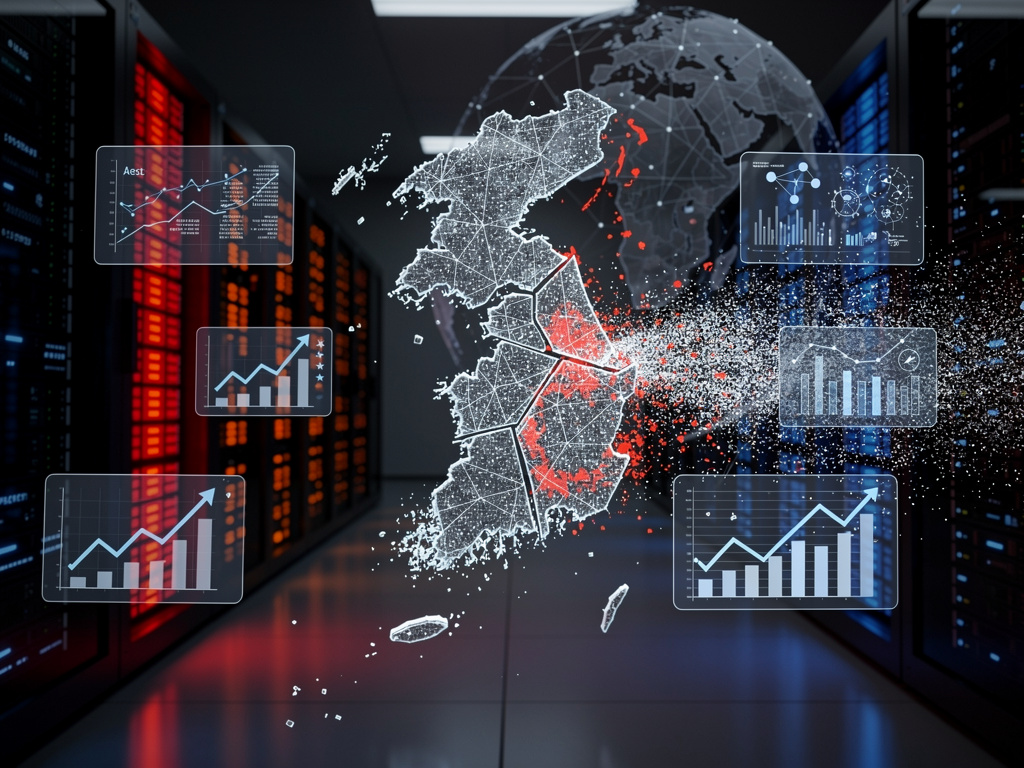
A significant data breach at Coupang Inc., South Korea’s leading e-commerce platform, has compromised the personal information of over 33 million users. This incident, which occurred in late 2025, has shaken public trust and raised concerns about cybersecurity standards across the industry. The breach highlights vulnerabilities in data management practices within major tech firms and has triggered immediate calls for systemic reforms.
Coupang, often referred to as the “Amazon of South Korea,” confirmed that hackers gained access to sensitive user data, including shipping addresses and phone numbers. According to the Financial Times, the breach was facilitated by lingering access privileges of a former employee, underscoring the risks associated with inadequate offboarding procedures. The insider threat allowed for prolonged exploitation of user data, which went unnoticed for several months.
In response to the breach, South Korean authorities acted swiftly, conducting a raid on Coupang’s headquarters in Seoul to gather evidence. This decisive move, reported by China Daily Asia, culminated in the resignation of the company’s CEO, reflecting the high stakes of corporate leadership in an era where data breaches can quickly tarnish reputations.
The Implications of Insider Threats
Investigations into the breach revealed that fundamental lapses in access management contributed to the incident. Industry experts have pointed out that while external threats often dominate headlines, insider risks stemming from procedural oversights can be equally damaging. Posts on social media platform X (formerly Twitter) from cybersecurity professionals highlight how retained credentials can serve as backdoors for malicious actors, as seen in similar incidents like the F5 networks compromise.
The breach, which affected approximately 33.7 million users, has raised alarms about identity theft and phishing schemes. Industry insiders emphasize the need for companies to adopt robust access management protocols and consider implementing zero-trust security models, which ensure that no user automatically retains perpetual access.
The South Korean government, already known for stringent data protection regulations, is now pushing for more rigorous audits of employee access logs. This could lead to regulatory changes that align with global standards, such as the EU’s General Data Protection Regulation (GDPR). Analysts speculate that these developments may introduce new taxes on technology firms to bolster national cybersecurity initiatives.
Economic Fallout and Public Reaction
The economic impact of this breach is significant. Coupang’s stock has taken a hit, and consumer confidence is wavering. As one of South Korea’s largest employers and a vital part of the nation’s export-driven economy, the breach disrupts not only its operations but also affects small businesses that rely on Coupang’s platform. Reports from StartupNews.fyi indicate that these businesses face secondary risks, including delayed shipments and fraudulent orders stemming from leaked data.
Moreover, everyday citizens are experiencing the fallout of this breach. Victims have reported a surge in spam calls and suspicious deliveries. Advocacy groups are calling for compensation, and class-action lawsuits are being discussed, echoing concerns seen in similar data breach cases.
Looking at global parallels, the Coupang breach bears similarities to other high-profile incidents in 2025. The PKWARE blog lists Coupang alongside attacks on entities such as Gainsight and Eurofiber, revealing a worrying trend of vulnerabilities in cloud-based systems. Cybersecurity firms are analyzing the methodology behind the breach, suggesting that automated scripts may have been used to siphon data over an extended period, evading detection.
Strategic Changes and Future Preparedness
In the wake of the breach, Coupang has committed to investing millions in AI-driven monitoring tools designed to detect unusual access patterns. This proactive approach aligns with industry trends toward enhancing cybersecurity measures. However, challenges remain, particularly in balancing innovation with robust security protocols. South Korea’s tech industry, home to major players like Samsung and Kakao, must navigate these complexities without hindering growth.
Coupang’s recovery plan includes offering free credit monitoring to affected users and partnering with cybersecurity firms for ongoing audits. This initiative, led by U.S. executives with experience in managing breaches like that of Equifax, aims to rebuild trust and enhance security measures.
In conclusion, the Coupang data breach serves as a critical reminder of the vulnerabilities inherent in our interconnected digital landscape. It emphasizes the need for comprehensive reforms in data management practices, as well as the importance of transparency and proactive measures in rebuilding consumer trust. As the situation develops, the implications of this breach may extend beyond South Korea, prompting discussions on international data protection standards and cross-border cooperation in cybersecurity efforts.