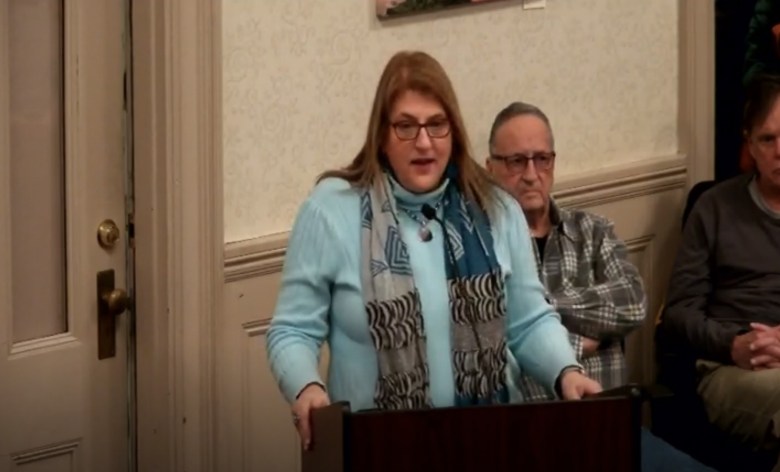
The Biddeford City Council voted against a proposed 90-day moratorium on mobile home lot rent increases during a meeting on October 10, 2023. The decision, made with a 6-3 vote, disappointed local residents who expressed concerns that ongoing rent hikes could force them from their homes. Councilors Brad Cote, David Kurtz, and Abigail Woods supported the moratorium, emphasizing the need for affordable housing solutions in the community.
Residents of mobile home parks, particularly those at Granite Estates, voiced their fears regarding escalating costs. Many stated that since the park was sold to out-of-state owner Philips International, rent has more than doubled. For instance, Donna Porter, who moved there in 2020, reported her monthly rent rising from $350 to over $600. “Our incomes have not gone up,” Porter said. “I’m living on a fixed income. Fixed means fixed.”
During the council meeting, residents argued that the increases are unsustainable and unjustified. Porter recounted her efforts to communicate with the new owner about the rising costs, only to receive a vague explanation about the need to cover operational expenses. “My question is, operating what?” she challenged, highlighting the lack of visible maintenance or support from management.
Another resident, Carol Normand, explained that she chose to live at Granite Estates due to its affordability compared to traditional housing. However, she now worries that her income will not be enough to keep up with rising rents. “Regardless of my income, it’s still expensive to live there,” she said.
The issue of rent increases is not isolated to Biddeford. Mobile home residents across Maine, particularly in parks acquired by out-of-state companies, have been raising alarms. In response to these growing concerns, some localities have taken action. For example, the city of Saco enacted an emergency moratorium on rent increases in October, while residents in Arundel sought similar measures, although their request was denied.
The Maine Legislature has also attempted to address the situation, passing laws designed to protect mobile home residents from sudden rent hikes. One key regulation requires park owners to give a 90-day notice before any rent increase and allows residents to request mediation to negotiate terms. Despite these measures, many residents feel they are not sufficient to alleviate their financial burdens.
Reflecting on the council’s decision, Cote noted that the moratorium could offer “breathing room” for residents facing financial strain. “It has to make sense,” he asserted, emphasizing the need for balance between business interests and resident welfare. Woods echoed this sentiment, stating that the moratorium would have been a “great step” towards securing affordable housing in Biddeford.
Opposition to the moratorium came from council members like Marc Lessard, who warned that imposing limits on rent increases might lead to broader implications for business investment. “This is just a path to control businesses on investment,” he remarked.
As the council’s decision leaves uncertainty for residents, many are left to contemplate their future. Normand expressed the anxiety felt by her community, stating, “This generates a lot of anxiety and fear. There are virtually no other affordable housing options for many of us.” The struggle for affordable housing continues to resonate across Biddeford and beyond, highlighting a pressing issue for many in the region.