Iran has escalated its military actions against Gulf Arab nations, launching a series of drone and missile strikes that have intensified tensions in the Middle East. This surge in hostilities is contributing to rising oil prices and creating uncertainty in global markets. The Saudi Defense Ministry reported on March 5, 2024, that two drones were intercepted in the eastern region of the kingdom, a crucial area for oil production. Meanwhile, Kuwait’s National Guard successfully shot down six drones targeting both the northern and southern parts of the country.
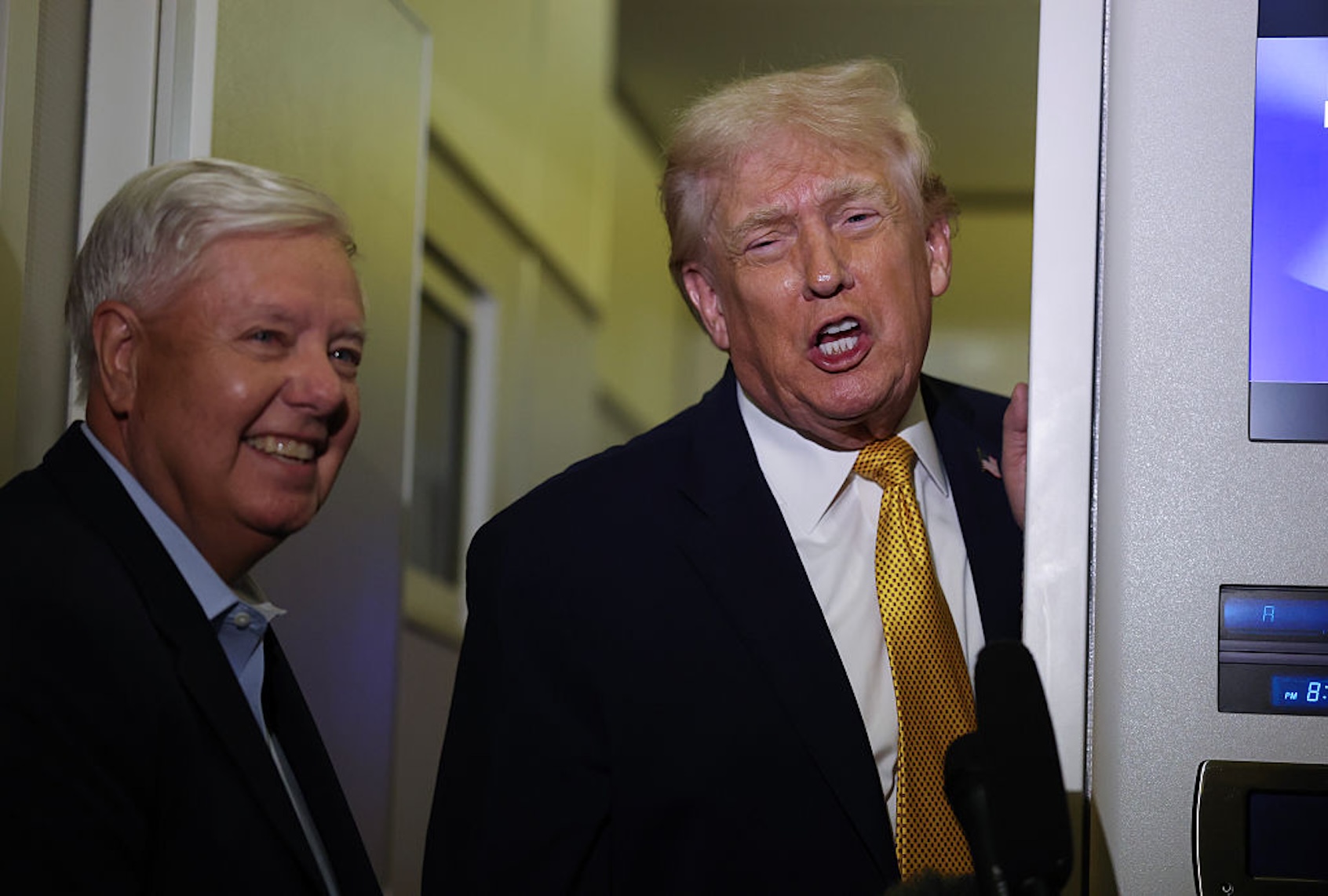
U.S. President Donald Trump has added to the confusion surrounding the conflict by making ambiguous statements about its duration. In an interview with CBS News, he suggested that “the war is very complete, pretty much,” leading to a temporary easing of investor fears. Following his remarks, U.S. stock markets responded positively, with the S&P 500 gaining 0.8% and the Dow Jones Industrial Average rising by 0.5%. Oil prices, however, remain elevated, hovering around $90 per barrel after peaking at nearly $120 earlier in the week.
As the fallout from the Iran conflict unfolds, the global economy faces significant pressures. The war is driving up the costs of energy, grain, and fertilizers, which could lead to food shortages in vulnerable countries. The situation is particularly dire for nations like Pakistan, where instability is exacerbated by the ongoing conflict. The closure of the **Strait of Hormuz**, a vital maritime corridor for oil transport, has further complicated the landscape. Following a missile strike by the U.S. and Israel that resulted in the death of Iranian leader **Ayatollah Ali Khamenei** on February 28, 2024, Iran responded by closing this crucial passageway.
In a separate development, the Federal Aviation Administration (FAA) briefly grounded all **JetBlue** flights on March 5, 2024, following a request from the airline. The grounding lasted approximately 40 minutes, but the reasons behind the request remain unclear, with neither JetBlue nor the FAA providing immediate comments.
While these events unfold, China reported a notable increase in its exports, rising nearly 22% in January and February 2024. This surge, primarily driven by strong demand for computer chips and automobiles, comes despite a decline in trade with the United States. The figures released by China’s customs agency exceeded economists’ expectations and reflect a broader resilience in the Chinese economy.
The ongoing conflict in Iran is poised to have lasting effects on consumer behavior and economic stability globally. As oil prices climb, consumers are beginning to feel the pinch at the gas pump. Many essential goods, including food, face rising transportation costs due to increased fuel prices. This spike in oil costs is likely to become a significant factor in inflation rates across the United States and other affected nations.
Amid these developments, questions linger regarding the future of the Iran conflict. As the situation evolves, there are uncertainties about how long the fighting will continue and what objectives each side aims to achieve. The emergence of a new supreme leader in Iran also adds an unpredictable element to the equation.
With these critical issues at play, the international community watches closely as the implications of the Iran war extend beyond regional borders, affecting economies and markets worldwide.