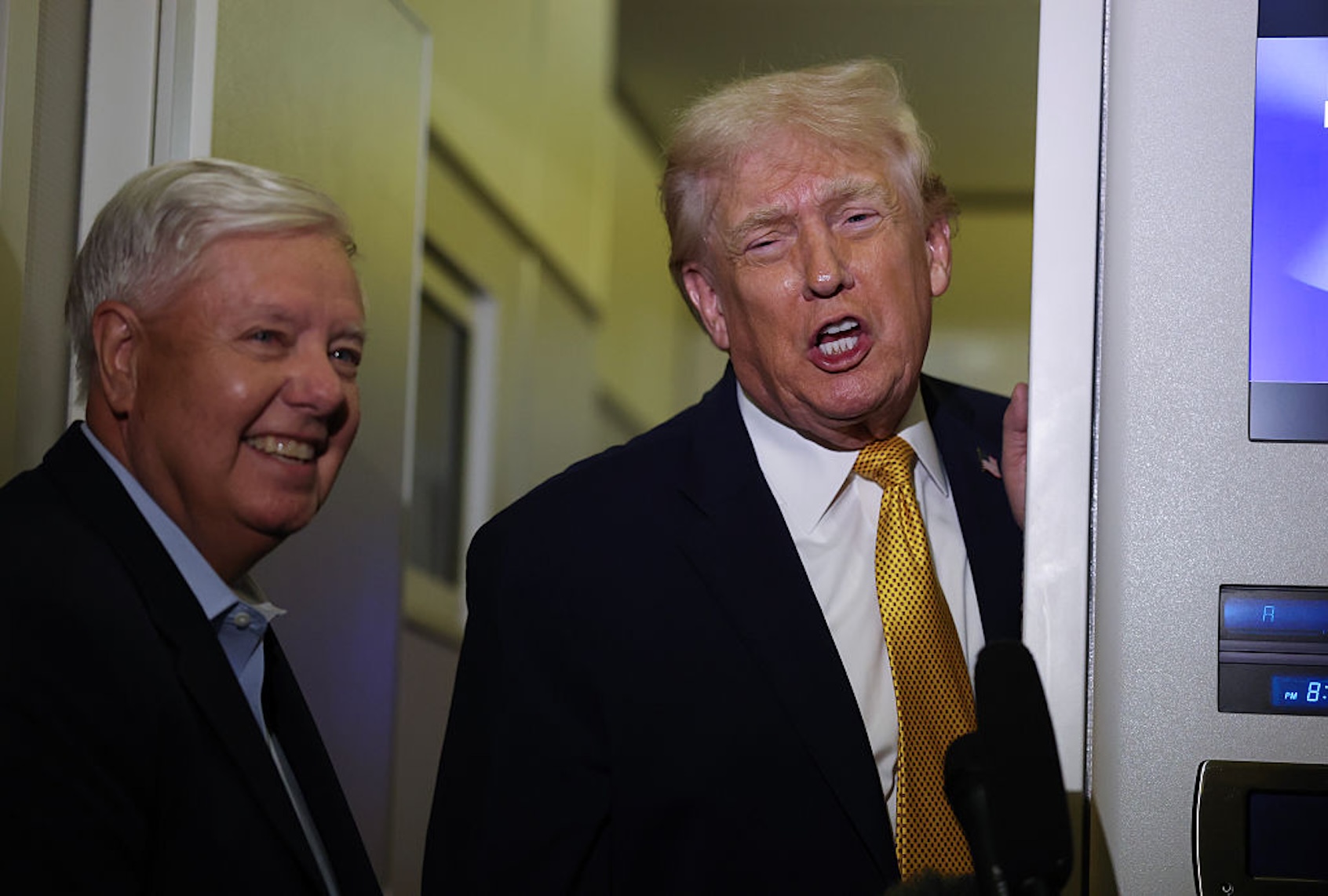
New York City marked the 24th anniversary of the September 11 attacks with solemn ceremonies and tributes, reflecting on the lasting impact of that day. A moment of silence was observed at the World Trade Center site, honoring the nearly 3,000 victims of the attacks on September 11, 2001. Various dignitaries, including President Joe Biden, Vice President Kamala Harris, and former President Donald Trump, participated in memorial events to pay their respects.
In a notable ceremony at The Pentagon, President Trump delivered remarks, emphasizing the importance of remembrance and resilience. The events served as a reminder of the ongoing challenges faced by families of victims and first responders, many of whom continue to grapple with health issues related to their service during and after the attacks.
New York City firefighters and their union have voiced concerns regarding the city’s handling of evidence related to toxins at Ground Zero. They accused city officials of obscuring crucial information that could shed light on health risks endured by first responders and residents in the aftermath of the attacks.
The legacy of the attacks remains deeply felt. Ryan Sliwak, son of Robert Sliwak, who lost his life when the first plane struck the north tower, spoke about his father’s enduring influence and the importance of preserving memories of those lost. His reflections are part of a broader narrative of resilience among families impacted by the tragedy.
A federal judge recently ruled that Saudi Arabia must face allegations of aiding the 9/11 hijackers, allowing families of victims to proceed with a legal suit that has been ongoing for two decades. This decision has reignited discussions about accountability and justice in relation to the attacks.
The health implications of the September 11 attacks have emerged as a significant concern years later. According to the Fire Department of New York (FDNY), illnesses linked to the attacks have now resulted in the deaths of 343 members, equaling the number of firefighters who died on that fateful day. This alarming statistic underscores the ongoing toll that the events of September 11 continue to have on those who served.
In response to the challenges faced by 9/11 responders, New York senators are calling for immediate action to restore the World Trade Center Health Program, which is currently unable to certify illnesses or approve critical treatments such as chemotherapy and lung transplants due to staffing cuts. The program has been vital in providing care to those affected by the toxic environment at Ground Zero.
On a more contentious note, a recent hearing involving the Secret Service saw a heated exchange between Acting Director Ronald Rowe and Representative Pat Fallon. The confrontation highlighted the ongoing political debates surrounding the legacy of September 11 and its implications for national security.
Reflecting on the aftermath of the attacks, Lt. Gen. Marc Sasseville, who played a crucial role on that day, shared insights about his mission to intercept hijacked flights. His experiences offer a glimpse into the heroic actions taken to protect the nation during a time of crisis.
As the nation continues to remember the tragic events of September 11, 2001, the reality is that the impact of that day is far from over. Families, responders, and officials alike are reminded of the sacrifices made and the importance of ensuring that the lessons learned from the past are not forgotten. The collective memory serves not only to honor those lost but also to inspire ongoing efforts for justice and healing in the years to come.