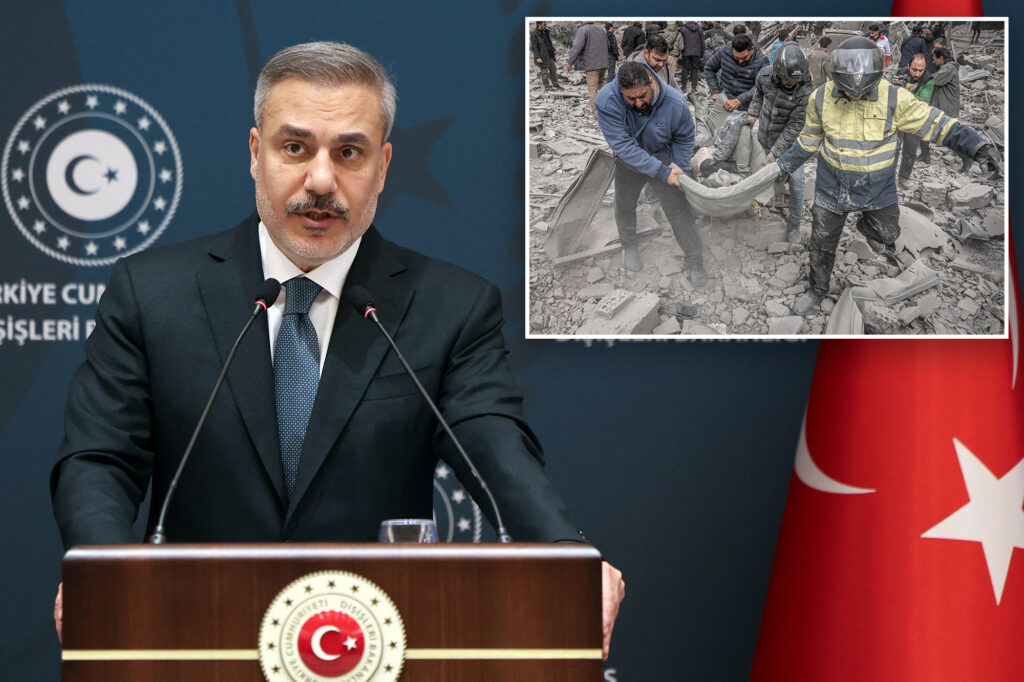
Turkey is actively engaging with multiple parties to find a resolution to the ongoing conflict in Iran and to encourage a return to diplomatic negotiations. Turkish Foreign Minister Hakan Fidan announced on March 3, 2024, that Ankara is also collaborating with Oman, which shares a similar objective. This statement follows a series of military strikes by the United States and Israel against Iranian positions, escalating tensions in the region.
The conflict has rapidly widened, with Iran retaliating by targeting Gulf states that host U.S. military bases. In response, Israel has increased its attacks against Iranian-backed groups, particularly Hezbollah in Lebanon. As a NATO member and a neighbor of Iran, Turkey has been vocal in urging both Washington and Tehran to resume discussions regarding Iran’s nuclear ambitions and missile capabilities. Fidan emphasized that the situation in the region could spiral further into chaos if these efforts fail.
During a recent dinner breaking the Ramadan fast, Fidan addressed Turkish media, stating that Turkey is undertaking “necessary initiatives with all our counterparts” to foster peace. He underscored the importance of maintaining stability not only in Iran but throughout the entire region. He noted, “There isn’t a single-layered negotiation; there is a multi-layered negotiation.”
Fidan revealed ongoing discussions with European nations and highlighted the urgent need for collective action: “If you want peace, let’s work together. The Gulf nations are now facing a serious situation.” He mentioned Turkey’s dialogue with the Omani Foreign Minister and reiterated that Turkey is also in talks with American officials about the escalating conflict.
In a strong condemnation of the airstrikes against Iran, Turkish President Tayyip Erdogan described these actions as a “clear violation” of international law. Fidan echoed this sentiment, warning of the broader implications of the conflict, including potential disruptions to global energy supplies. He specifically pointed out that the closure of the Hormuz Strait, a critical passage for one-fifth of the world’s oil trade, could lead to a rapid response from the United States.
Fidan noted that Iran appears to be attempting to “create costs” for the U.S. and its allies by launching attacks on Gulf states and energy infrastructure. Yet, he expressed skepticism about Iran’s strategy, stating, “By bombing these places, Iran will say they should pressure the United States and end the war, but that doesn’t seem like it will happen. I don’t know how much Iran has left.” He suggested that Tehran might instead focus on troubling Israel with missile strikes.
As Turkey continues its diplomatic efforts, the international community watches closely, recognizing the delicate balance of power in the region and the potential for further escalation if negotiations do not progress.