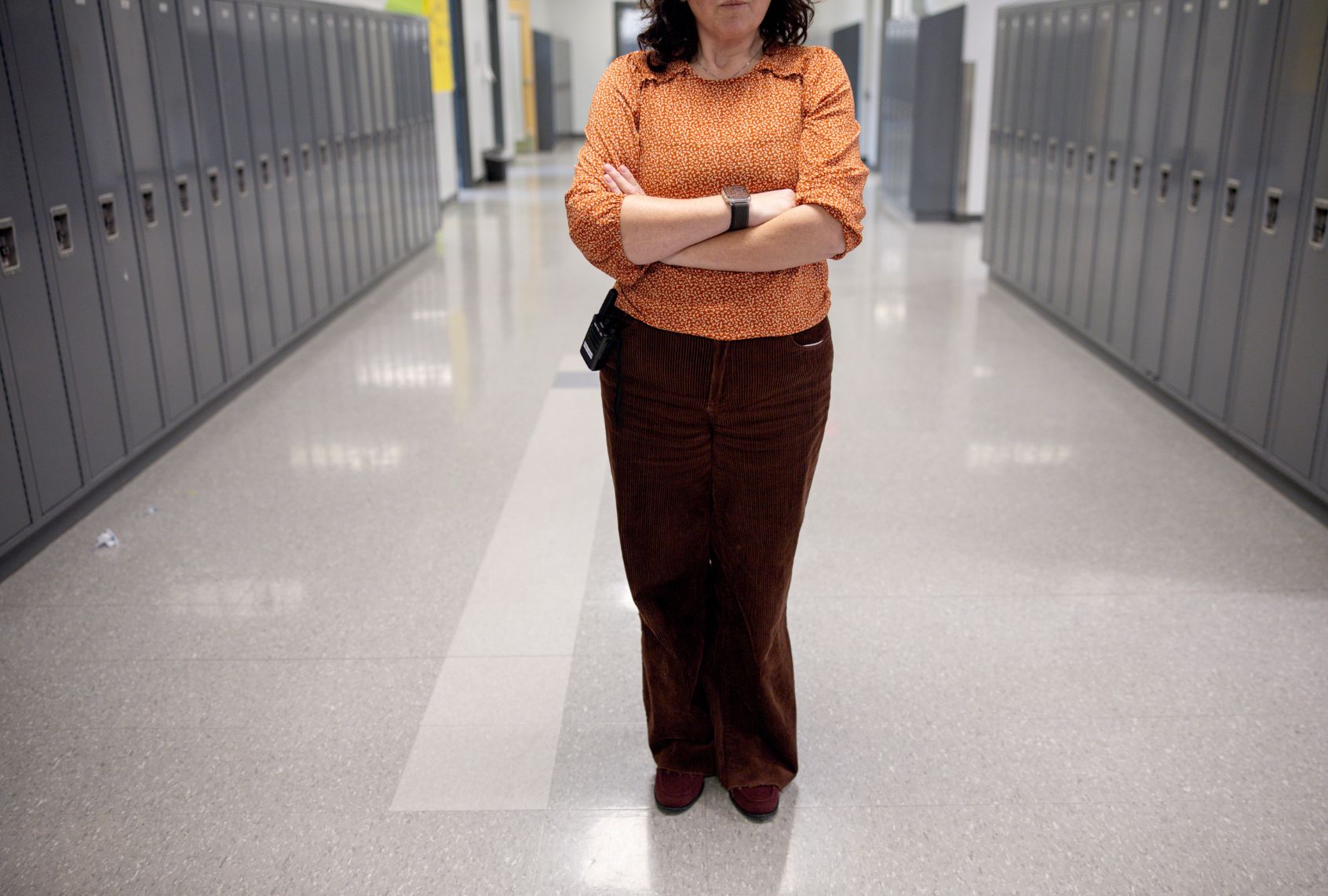
A surge in immigration enforcement has transformed the role of educators across the United States, particularly in areas with significant immigrant populations. Teachers are stepping beyond their traditional classrooms to protect students from the trauma associated with Immigration and Customs Enforcement (ICE) operations. This shift follows the lifting of protections designated for schools as “sensitive locations,” which has heightened anxiety among students and their families.
In January 2023, a photograph of five-year-old Liam Conejo Ramos being apprehended by federal agents sparked outrage nationwide. The incident, which occurred near Valley View Elementary in Columbia Heights, Minnesota, deeply affected both students and staff. “When Liam was taken, we had this devastating loss,” noted Peg Nelson, a teacher with 33 years of experience. Although Liam has since been released, the emotional toll remains palpable. Nelson revealed that other students from the school have also been detained, leading to a sense of fear and uncertainty in the community.
In response, teachers at Valley View have encouraged students to express their emotions through letters to ICE. Nelson explained, “We wrote letters to process our feelings, to give advice about how they should treat people differently.” The focus on empathy aligns with the school’s values, emphasizing the importance of treating others with respect.
Educators nationwide are reporting similar challenges. The number of individuals detained has reportedly increased by as much as 75 percent since the return of former President Donald Trump to office. Teachers are not only addressing academic needs but also providing essential support to immigrant families. This includes assistance with groceries, transportation, and financial aid, all while contending with the emotional distress that immigration enforcement has brought into their classrooms.
At Valley View, where approximately two-thirds of students are Hispanic, some teachers have taken to escorting students to and from school. To further ensure safety, others have obtained licenses to transport children in district vans. “It’s a whole system above and beyond what we normally do,” Nelson emphasized.
Reports of ICE agents following school personnel have raised concerns about the safety of families. Nelson recounted how agents monitored staff delivering groceries, indicating a troubling awareness of where families live. School officials consulted with the local police department regarding the safety of their deliveries. “Them leaving the house to get groceries is more dangerous,” was the police’s response, underscoring the precarious situation many families find themselves in.
In a proactive step, Minnesota school districts, along with the National Education Association and the American Federation of Teachers, sought an emergency court order to halt ICE operations near public schools. Becky Pringle, president of the National Education Association, stated, “All students, regardless of race, place of birth, or language they speak, deserve schools that are safe, welcoming, and free from fear—no exceptions.”
The emotional strain on students is evident. Mandi Jung, a seventh-grade science teacher in St. Paul, noted a significant decline in attendance, with reports of a 50 percent drop on some days. Many students express fears of deportation, even those with citizenship. Jung recounted a student who worried that her Spanish surname would make her a target for ICE.
Furthermore, the impact of immigration enforcement extends beyond the classroom. Jung has personally assisted families by paying rent to help them stay afloat during difficult times. “I understand the sacrifices families made,” she remarked, emphasizing the need for solidarity with those affected.
The situation has led to a decline in morale among educators. Kathryn Anderson, a middle school teacher in Chelsea, Massachusetts, reported a loss of over 400 students in the past year due to fears surrounding enforcement. “We’ve had a huge loss in enrollment,” she said, highlighting the anxiety that has gripped both immigrant and non-immigrant families.
Even educators are not immune to the stress. Guadalupe Carrasco Cardona, a teacher in Los Angeles, described a worrying trend of families refraining from school attendance due to fear of detention. Her school, which typically has a long waitlist, has lost over 200 students this year. “We tried to get resources to keep as many students in school as possible, but it’s a daily challenge,” Cardona explained.
As teachers work tirelessly to protect their students, they face the emotional toll of their responsibilities. Cardona noted efforts by educators to patrol neighborhoods and monitor for federal agents. “We are communicating with a cluster of schools, doing the same thing,” she said, emphasizing the community’s commitment to ensuring student safety.
The collective efforts of these educators illustrate a profound dedication to their students and families. They are navigating a complex landscape of fear and uncertainty while striving to provide a nurturing educational environment. As immigration enforcement continues to disrupt lives, teachers remain a vital source of support and resilience for those affected.