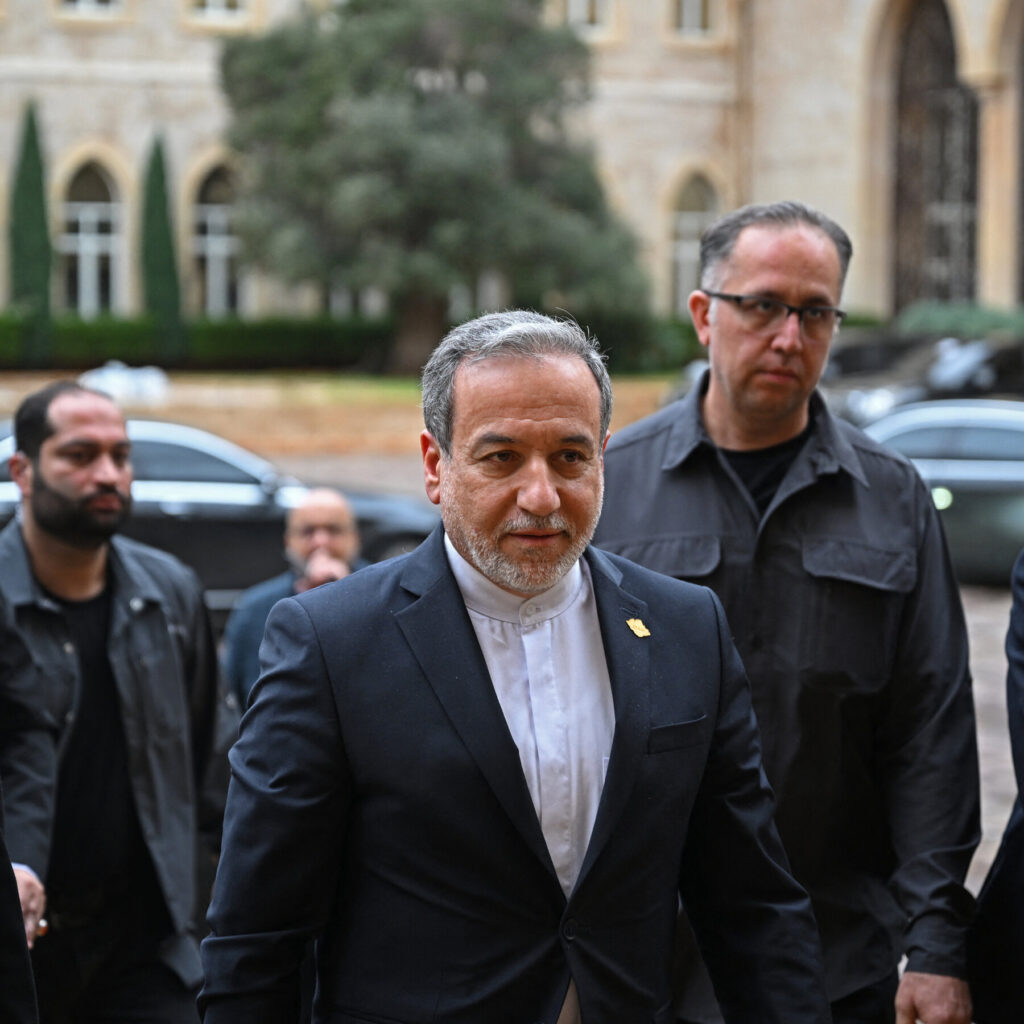
UPDATE: The latest round of U.S.-Iran nuclear negotiations has just collapsed, escalating fears of renewed military action in the region. The talks, held in Beirut, Lebanon, failed to produce a resolution, leaving officials scrambling for solutions as tensions rise.
Iran’s Foreign Minister, Abbas Araghchi, confirmed that discussions concluded without a definitive agreement, despite earlier indications of progress. He mentioned a tentative agreement on a “set of guiding principles” that ultimately did not hold. The failure to reach a consensus marks a significant setback in ongoing efforts to curb Iran’s nuclear ambitions.
This breakdown in talks comes at a critical moment, with both nations facing mounting pressure from international stakeholders. The inability to secure an agreement has raised alarms globally, as analysts warn of potential military strikes if diplomatic channels remain ineffective.
The discussions were intended to address key issues surrounding Iran’s nuclear program, which has long been a point of contention. The United States remains steadfast in its position, advocating for strict limits on Iran’s nuclear capabilities amid concerns over regional security.
Officials are now urging immediate action to prevent further deterioration of relations. As tensions mount, the international community is closely monitoring the situation, with implications that could affect global oil markets and security dynamics.
Moving forward, key players in the negotiations will need to reassess their strategies. Watch for potential responses from both the U.S. and Iran in the coming days, as they navigate this precarious situation. The stakes are high, and the repercussions of these failed talks could resonate far beyond the immediate region.
Stay tuned for further updates on this developing story as more information becomes available.