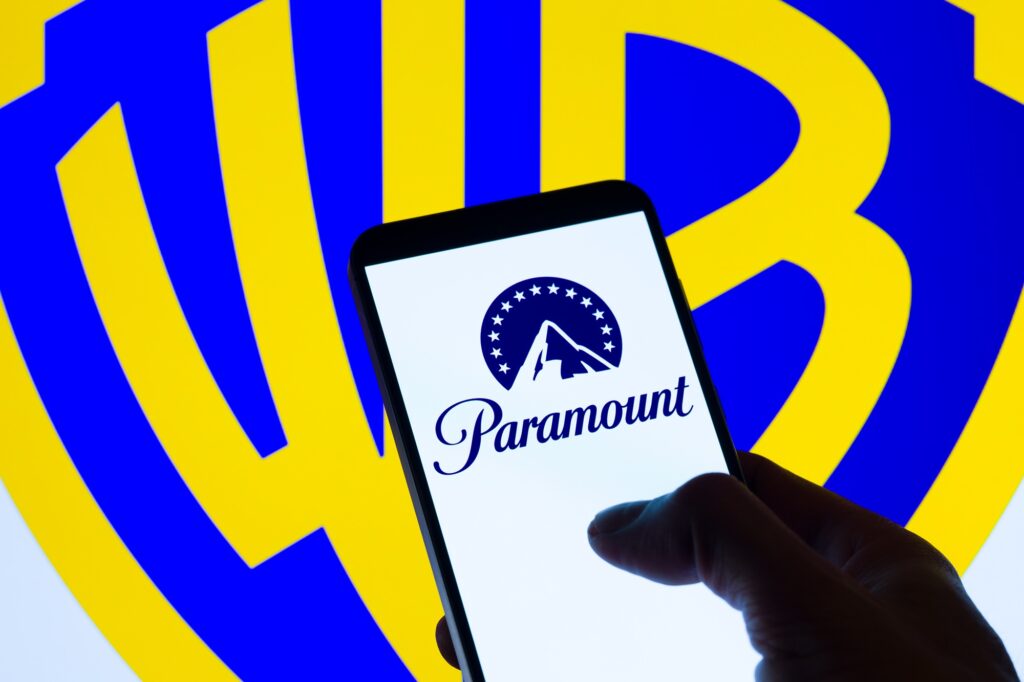
The proposed merger between Paramount and Warner Bros. Discovery (WBD) is facing potential legal challenges from state attorneys general. Following a recent bid from Paramount, which increased its offer to $111 billion, California Attorney General Rob Bonta announced that regulatory scrutiny remains unresolved. The merger could reshape the media landscape, combining major entities such as HBO, CBS, and CNN under the control of the Ellison family, led by David Ellison.
Paramount’s aggressive move came after a prior agreement with Netflix was in place. Netflix’s CEO made an unexpected visit to the White House before the deal was formally scrapped, allowing Paramount to seize control of the situation. The increased bid of $31 per share has raised concerns about an emerging media monopoly, echoing trends seen in authoritarian regimes worldwide. While Netflix will receive a $2.8 billion breakup fee, the implications of this merger extend beyond financials, potentially affecting content diversity and market competition.
Bonta emphasized that the merger is not a foregone conclusion. His office is conducting a thorough investigation, highlighting California’s commitment to scrutinizing any transactions that could impact competition. He stated, “Any Warner Bros. transaction must receive a full and robust review,” indicating that the state plans to act decisively.
Colorado Attorney General Phil Weiser has also voiced concerns, suggesting that states can collaborate to challenge the merger under the Clayton Act. This legislation allows states to block mergers even if federal authorities grant approval. Representatives from Paramount have been proactive, engaging with state officials to expedite the deal’s approval process.
As the timeline for regulatory approval tightens, Paramount has enlisted Makan Delrahim, a former head of the Justice Department Antitrust Division, to navigate the complexities of the merger. The goal is to secure clearance before April, which would limit the window for state action. If the merger proceeds without challenge, Paramount and WBD are likely to begin integrating operations, complicating any subsequent legal disputes.
Challenges exist for state attorneys general, as they typically lack the resources of federal agencies. However, recent initiatives have seen Democratic AGs increase their capacity for antitrust cases, with some states mobilizing to gather evidence against the merger. The urgency to file a lawsuit is crucial, as such a move could prevent the merger from closing while a trial is ongoing.
The merger has raised serious concerns about its impact on the entertainment industry. Industry analysts argue that consolidating major studios reduces competition, which could diminish the bargaining power of talent, including producers and screenwriters. The merger would further shrink the number of major studios from five to four, following the trend established when Disney acquired Fox.
Critics argue that this merger could harm consumers and the broader industry. As streaming options become more limited, prices may rise, and the diversity of content could decline. Additionally, Paramount’s heavy investment in a declining cable television model raises questions about the long-term viability of such a strategy.
As the situation develops, attention will focus on the actions taken by state attorneys general. If they can successfully mount a legal challenge, it could set a precedent for future mergers and acquisitions in the entertainment sector. The stakes are high, and the outcome will significantly impact not only the companies involved but also the landscape of media and storytelling for years to come.