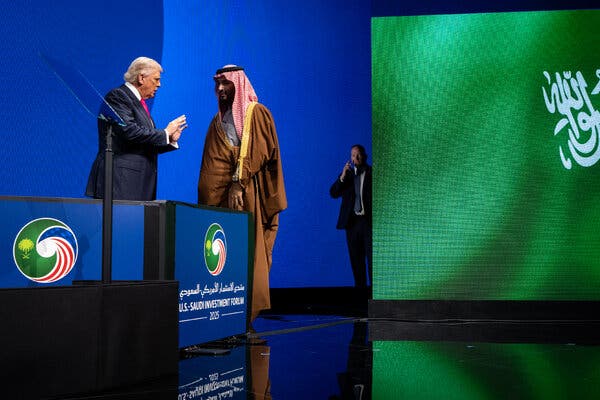
Tensions between Saudi Arabia and the United Arab Emirates (UAE), two key allies of the United States, escalated into a public dispute following a phone call from former President Donald Trump. This conversation, which took place in November 2023, revealed underlying friction between the two nations that had simmered for several years.
During the call, Trump spoke with the Emirati president, Sheikh Mohammed bin Zayed, to discuss a private dialogue he had with Saudi Arabia’s de facto ruler, Crown Prince Mohammed bin Salman. According to four individuals briefed on the call by Emirati officials, Trump conveyed that the crown prince had requested sanctions against the UAE. This request was reportedly related to the Emirati government’s backing of an armed group involved in Sudan’s ongoing civil conflict.
In a contrasting narrative, a Saudi official stated that the request was not aimed at the UAE directly. Instead, Prince Mohammed sought additional sanctions on the Sudanese armed group to curb its external support, believing that reducing Emirati involvement could help bring an end to the war in Sudan. A U.S. official also clarified that Prince Mohammed did not ask for sanctions on the UAE, although they did not comment on the specifics of the call.
As the details of the conversation were debated, the diplomatic fallout was undeniable. Following Trump’s remarks, long-standing tensions between Saudi Arabia and the UAE erupted into a very public feud, highlighting the complexities of their alliance and the fragility of their relationship.
The implications of this dispute are significant, given both countries’ roles in regional politics and their strategic partnership with the United States. The situation reflects a shifting geopolitical landscape in the Middle East, where alliances can be fragile and susceptible to sudden changes based on leadership communications.
As this situation develops, analysts will be watching closely to see how both nations navigate their differences and what impact this may have on their bilateral relations and broader regional stability.