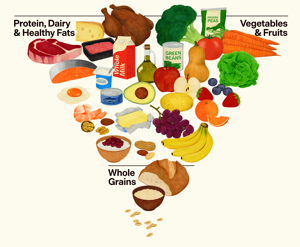
Recent updates to the federal dietary guidelines, set to take effect in March 2025, aim to reshape how individuals approach their daily nutrition. Experts from the Berkshire region are weighing in on the implications of the 2025–2030 federal dietary guidelines, emphasizing the need for balanced diets that prioritize health and sustainability.
The new guidelines, developed by the United States Department of Agriculture (USDA) and the Centers for Disease Control and Prevention (CDC), place a strong focus on plant-based foods while reducing the consumption of processed items. Nutritionists are encouraging the public to adopt these recommendations to improve overall health, particularly in response to rising rates of obesity and related conditions.
Key Changes to Dietary Recommendations
One significant change in the dietary guidelines is the emphasis on increasing the intake of fruits, vegetables, whole grains, and legumes. The aim is to encourage individuals to fill their plates with nutrient-dense foods that provide essential vitamins and minerals. According to the American Heart Association, a diet rich in these foods can significantly lower the risk of heart disease and improve cardiovascular health.
Additionally, the guidelines will suggest limiting added sugars and saturated fats. This shift is particularly important as studies show that high consumption of these elements is linked to various health issues, including diabetes and heart disease. The emphasis on whole foods aims to create a more health-conscious society.
Nutrition experts in Berkshire are particularly excited about the new recommendations. They believe that these guidelines will not only benefit personal health but also contribute positively to environmental sustainability. The focus on plant-based foods aligns with global efforts to reduce carbon footprints and promote eco-friendly eating habits.
Community Response and Future Implications
Local nutritionists are actively engaging with community members to raise awareness about the upcoming guidelines. Workshops and informational sessions are being planned to educate the public on how to incorporate these changes into their daily routines. Experts are advocating for a gradual shift toward healthier eating rather than an abrupt overhaul of dietary habits.
The impact of these guidelines is expected to be far-reaching. As individuals adopt healthier eating practices, the long-term healthcare costs associated with diet-related diseases may decrease. This could lead to significant savings for both families and the healthcare system at large.
As the March 2030 deadline approaches, the Berkshire community is urged to prepare for these dietary changes. With the right education and resources, residents can take proactive steps to enhance their diets and overall well-being. The new guidelines serve not only as a framework for nutrition but also as a call to action for healthier living in the years ahead.