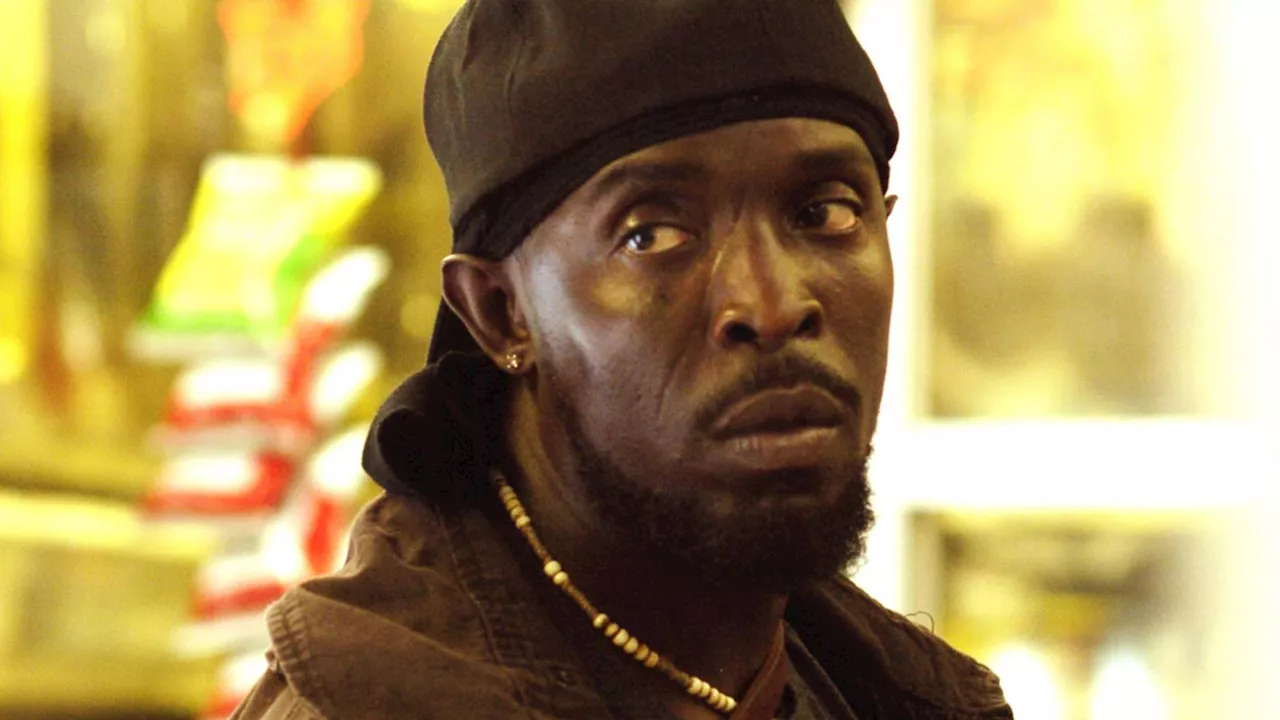
Over two decades since its debut, The Wire continues to influence the crime drama genre, setting a benchmark for authenticity and storytelling. The series, created by David Simon, premiered on HBO in 2002 and has since been recognized for its unparalleled depiction of urban life in Baltimore, Maryland.
Simon, a former journalist, infused his first-hand experiences into the narrative, portraying the struggles of law enforcement and the drug trade with unflinching realism. The show chronicles the lives of both police officers and criminals, primarily focusing on detective Jimmy McNulty and drug lord Avon Barksdale. Its narrative depth and character development have left a lasting impact on viewers and creators alike.
Authenticity Through Gritty Storytelling
The Wire stands out not only for its storytelling but also for its commitment to authenticity. Many of the actors were selected for their real-life experiences, adding a layer of credibility that resonates throughout the series. For example, the character of D’Angelo Barksdale, portrayed by Wood Harris, is emblematic of the moral dilemmas faced by those entrenched in the drug trade. D’Angelo grapples with loyalty to his family versus his desire for a better life, a conflict that is poignantly illustrated in the show’s first season.
One of the most heartbreaking arcs involves the character Wallace, played by a young Michael B. Jordan. Wallace, a teenager caught in the crossfire of gang culture, becomes a tragic figure whose choices ultimately lead to his demise. His death serves as a catalyst for D’Angelo, who is forced to confront the harsh realities of his environment and the consequences of his family’s criminal activities.
“Where’s Wallace?” D’Angelo repeatedly demands, highlighting his internal struggle and the overwhelming sense of loss.
Wallace’s fate is a pivotal moment that encapsulates the series’ overarching themes of innocence lost and the inescapable nature of one’s circumstances. D’Angelo’s decision to inform on the Barksdale organization stems from a profound sense of guilt over Wallace’s murder, showcasing the series’ exploration of morality within the criminal world.
A Lasting Legacy in Television
The Wire has set a high bar for crime dramas, influencing countless series that followed. Its nuanced portrayal of complex characters and social issues differentiates it from typical genre fare. Rather than presenting a glorified view of crime, the series dives deep into the systemic issues that perpetuate the cycle of violence and poverty.
Critics and audiences alike have lauded The Wire for its meticulous writing and character development, making it a staple in discussions about the greatest television shows of all time. The series aired for five seasons, concluding in 2008, yet its relevance continues to resonate with contemporary audiences.
More than just a crime drama, The Wire serves as a stark commentary on society, making it a modern tragedy. The series illustrates how intertwined the lives of its characters are with the societal structures surrounding them. The emotional weight carried by characters like D’Angelo and Wallace offers a profound reflection on the human condition, ensuring that The Wire remains a pivotal piece of television history.
As new generations discover the series, its impactful storytelling and complex characters ensure that The Wire will continue to define the crime genre for years to come.