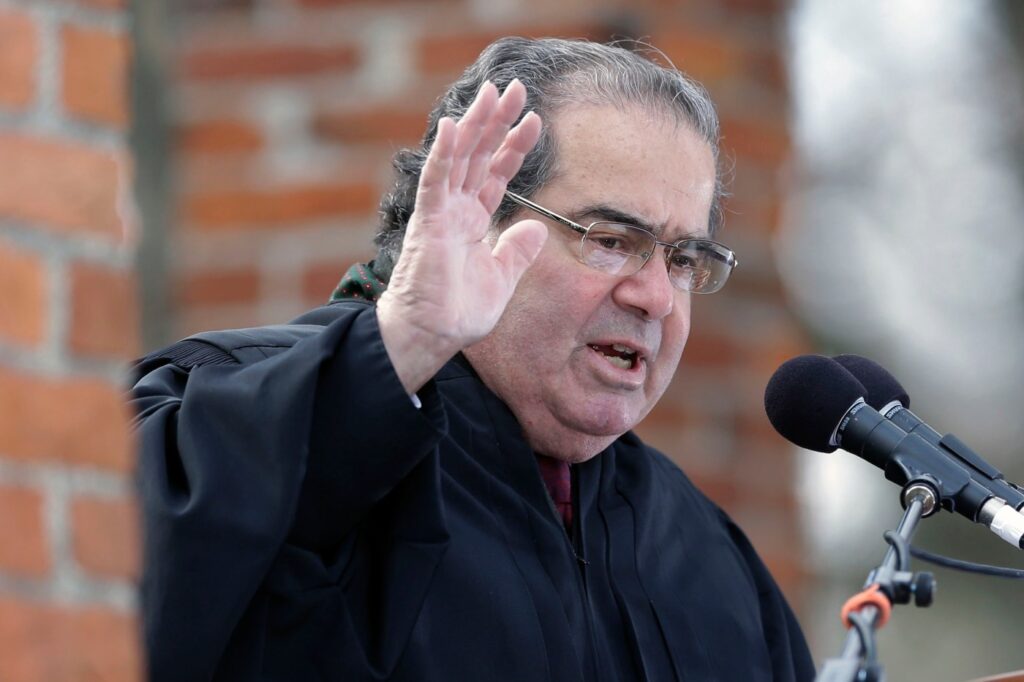
URGENT UPDATE: Justice Antonin Scalia, a pivotal figure on the U.S. Supreme Court, was found dead today, February 13, 2016, at a private residence in the Big Bend area of West Texas. He was 79 years old. This shocking news has sent ripples through the legal community and the nation as a whole, raising questions about the future of the Supreme Court and potential shifts in its ideological balance.
Scalia, known for his staunch conservative views, played a crucial role in numerous landmark decisions during his nearly three-decade tenure on the court. His sudden passing leaves a significant void and opens the door for President Barack Obama to potentially nominate a successor, a move that could reshape the court’s direction in crucial upcoming cases.
The impact of Scalia’s death is immediate and profound. Legal experts and political analysts are already speculating on how this development will affect the balance of power within the Supreme Court. With the court set to hear pivotal cases in the coming months, the urgency for a swift nomination is palpable.
Just last week, Scalia participated in a conference and appeared in good spirits, making his passing all the more unexpected. The circumstances surrounding his death remain unclear, with authorities expected to provide further updates soon.
As the nation mourns, tributes from across the political spectrum have begun pouring in.
“Justice Scalia was a towering figure in American law, and his contributions to our legal system cannot be overstated,”
stated Chief Justice John Roberts in a heartfelt tribute.
In addition to his legal legacy, Scalia was known for his vibrant personality and sharp wit, often engaging in lively debates with colleagues and legal scholars. His distinctive originalist interpretation of the Constitution has left an indelible mark on American jurisprudence.
In related history, February 13 has seen numerous significant events. In 1935, Bruno Richard Hauptmann was convicted of the kidnapping and murder of Charles A. Lindbergh Jr. In 1965, President Lyndon B. Johnson authorized Operation Rolling Thunder during the Vietnam War. These events remind us of the profound moments that shape history and society.
As we await more details regarding the implications of Scalia’s death, all eyes will be on the White House and Congress regarding the nomination process. The urgency for a successor is heightened, as the next appointment could determine the ideological leanings of the Supreme Court for years to come.
Stay tuned for more updates as this story develops, and share your thoughts on Justice Scalia’s legacy and its impact on the future of the U.S. Supreme Court.