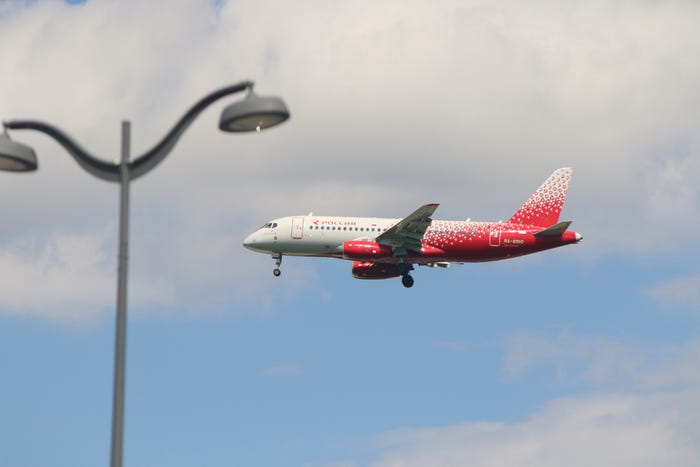
UPDATE: Russia has initiated an urgent evacuation of its citizens from Cuba as the island faces a critical jet fuel shortage. Authorities in Moscow confirmed that two major airlines, Rossiya Airlines and Nordwind Airlines, are mobilizing to repatriate Russian tourists starting February 12, 2024.
Cuban officials announced earlier this week that all international airports on the island are now out of jet fuel, prompting a swift response from Russia, a close ally of Cuba. The Russian civil aviation authority, Rosaviatsia, stated that Rossiya would adjust its flight schedule to prioritize the evacuation. The agency confirmed that all flights to Cuba are being suspended, with only one-way tickets available for tourists wanting to return home.
The situation has escalated rapidly, as it is estimated that at least 4,000 Russian tourists are currently stranded in Cuba. In light of the fuel crisis, Rossiya Airlines indicated that they would operate a series of one-way flights from Havana and Varadero back to Moscow. The airline is expected to organize at least six flights, with all operations to the island halting completely by February 24.
“Starting February 12, a number of one-way return flights will be operated from Havana and Varadero to Moscow to accommodate Russian tourists currently in Cuba,” said a statement from Rossiya Airlines.
Nordwind Airlines also joined the evacuation effort, planning repatriation flights from popular resort locations including Holguin and Cayo Coco. Both airlines are offering refunds to passengers affected by the sudden flight cancellations.
The crisis was worsened by the ongoing geopolitical tensions. Cuba relies heavily on Venezuelan oil imports, which have ceased since the capture of Venezuelan President Nicolás Maduro by U.S. forces on January 3. The island’s alternative supplier, Mexico, has also halted exports following tariffs imposed during the Trump administration.
In addition to Russian airlines, Canadian carriers such as Air Canada, WestJet, and Air Transat have announced cancellations of flights to Cuba, opting to send empty planes to collect stranded passengers. This reflects the growing international concern over Cuba’s fuel predicament.
The implications of the jet fuel crisis extend beyond immediate travel disruptions. Cuba, historically a stronghold of Russian influence in Latin America, is experiencing intensified strain as both nations navigate the fallout from international sanctions and geopolitical pressures.
In a statement, Rosaviatsia noted that both Rossiya and Nordwind are exploring alternative options to resume flights in both directions to ensure the safety and interests of their citizens.
The urgency of this situation is palpable, as families and friends await news of their loved ones stranded in Cuba. This crisis highlights the growing humanitarian issues faced by travelers abroad amid geopolitical conflicts.
As the evacuation unfolds, observers will be watching closely for updates on flight schedules and the broader economic implications for Cuba and its relationship with Russia.
Stay tuned for further developments on this unfolding story.