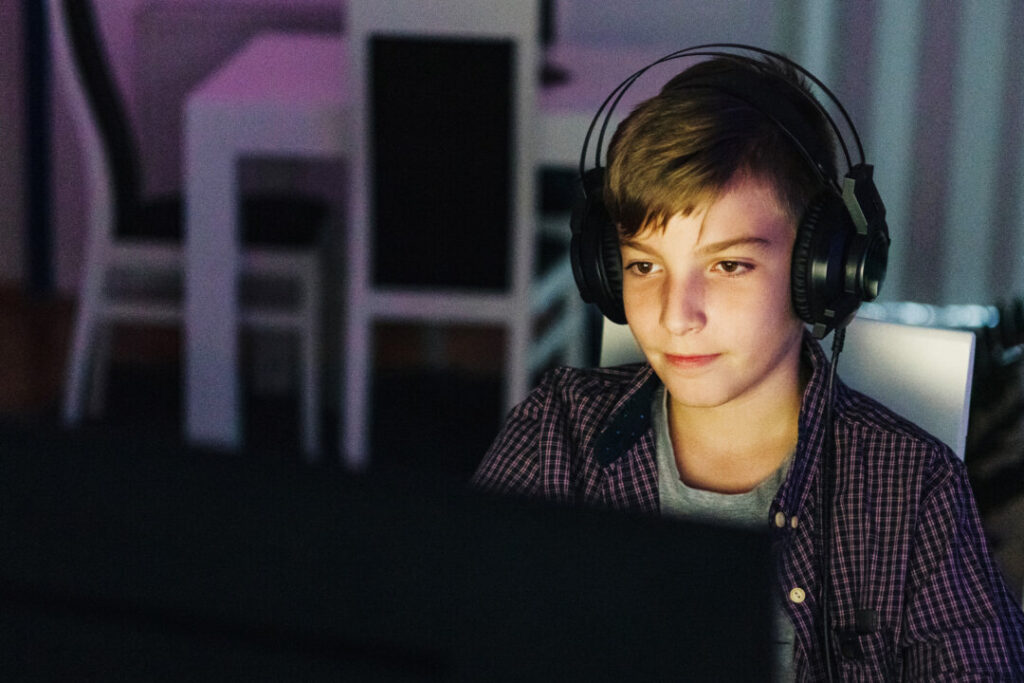
The balance between leisure and compulsion in video gaming among teenagers is increasingly under scrutiny. Many teens engage in gaming as a means to unwind from the pressures of school, friendships, and societal expectations. While moderate gaming can serve as a healthy outlet, experts warn that excessive gaming may lead to serious emotional and social issues.
Understanding the Role of Gaming in Teen Life
For countless teenagers, video games provide an escape from daily stressors. A few hours spent in a virtual world can help alleviate the pressures of homework, peer relationships, and family dynamics. However, when gaming becomes a primary coping mechanism, it can transform from a harmless pastime into a compulsive behavior.
Mental health professionals highlight that the gaming industry is designed to keep players engaged. Games often reward persistence and discourage breaks, making it challenging for some teens to disengage. According to a study published by the American Psychological Association in September 2023, nearly 30% of adolescents report feeling unable to control their gaming habits, raising concerns about the potential for addiction.
The issue is not the act of gaming itself, but rather the impact it has on a teen’s overall well-being. When gaming begins to replace healthy coping strategies, such as socializing with friends or participating in physical activities, it can lead to increased isolation and anxiety. As Dr. Sarah Thompson, a clinical psychologist, states, “Gaming should be a tool for relaxation, not a substitute for meaningful interactions and responsibilities.”
Identifying Signs of Compulsive Gaming
Parents and guardians play a critical role in monitoring their teens’ gaming habits. Understanding the difference between healthy gaming and harmful compulsion is vital. Key indicators that gaming may have become problematic include:
1. **Neglecting Responsibilities**: If a teen consistently prioritizes gaming over schoolwork, family commitments, or personal hygiene, it may signal an unhealthy dependency on gaming.
2. **Isolation from Family and Friends**: Spending excessive time gaming at the expense of social interactions can lead to feelings of loneliness and disconnection.
3. **Emotional Distress**: A noticeable increase in irritability, anxiety, or mood swings when not gaming can indicate that a teen is relying too heavily on video games for emotional regulation.
4. **Physical Symptoms**: Complaints of fatigue, headaches, or changes in sleep patterns linked to late-night gaming sessions are red flags that gaming may be having a negative impact on health.
In light of these signs, parents are encouraged to engage in open conversations with their teens about gaming habits. Encouraging discussions around the balance between gaming and other activities can help foster a healthier relationship with technology.
Experts suggest that rather than imposing strict limits on gaming time, families should work together to establish a balanced routine. This includes setting aside time for physical activities, family meals, and social engagement, ensuring that gaming remains a fun aspect of life rather than a dominating force.
As the conversation around teen gaming evolves, it is essential for parents and guardians to be proactive and informed. By recognizing the difference between healthy engagement and compulsion, families can help their teens navigate the complex landscape of video gaming in a way that supports their overall development and mental health.