American football is often perceived as a straightforward game: the team that scores the most points wins. However, the intricacies of the sport reveal a complex system of player roles that can be challenging to navigate. Understanding NFL player positions requires a closer look at how these roles are grouped into three main categories: offense, defense, and special teams. Each category plays a unique and vital role in achieving the overarching goal of winning the game.
Offensive Roles: The Scoring Team
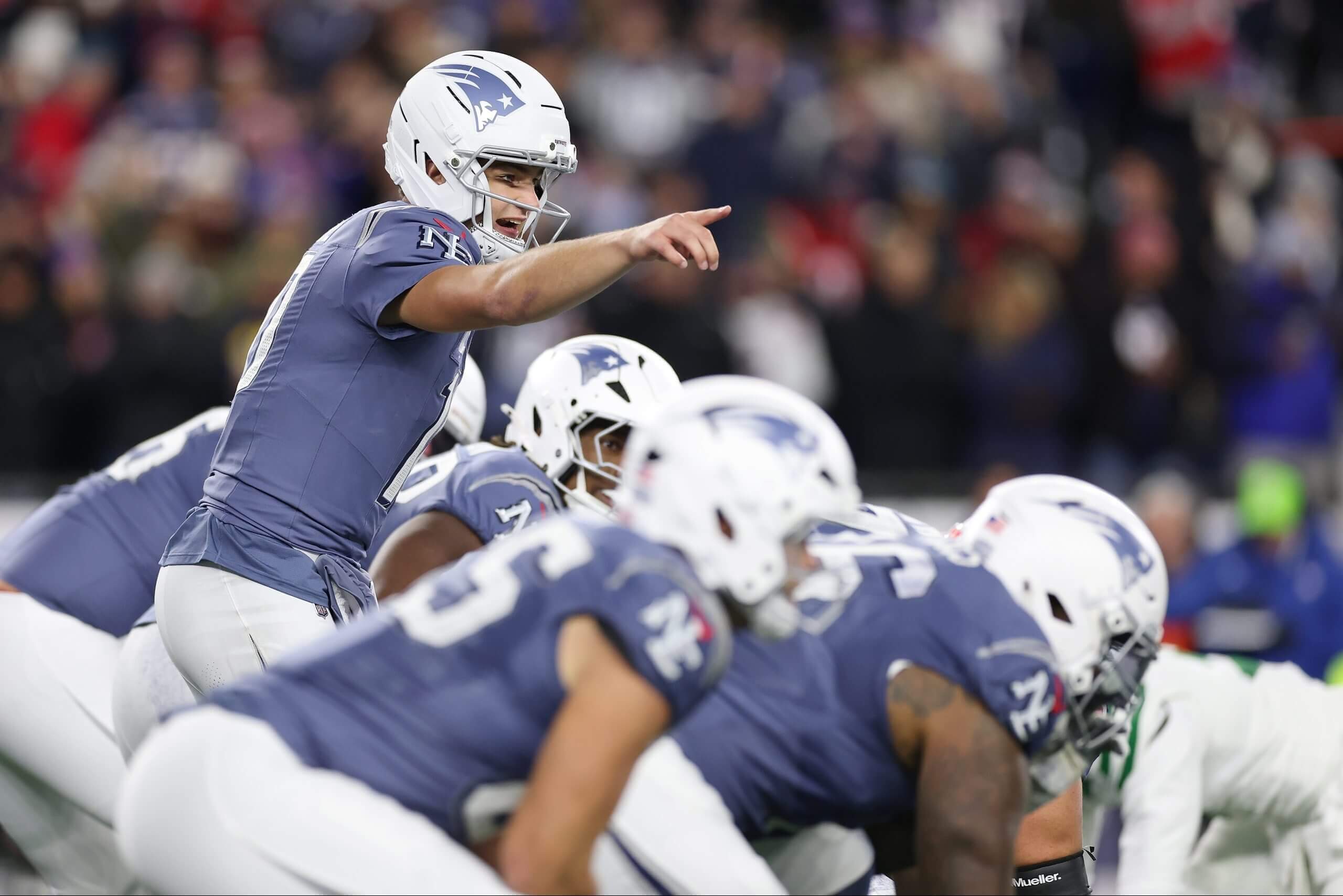
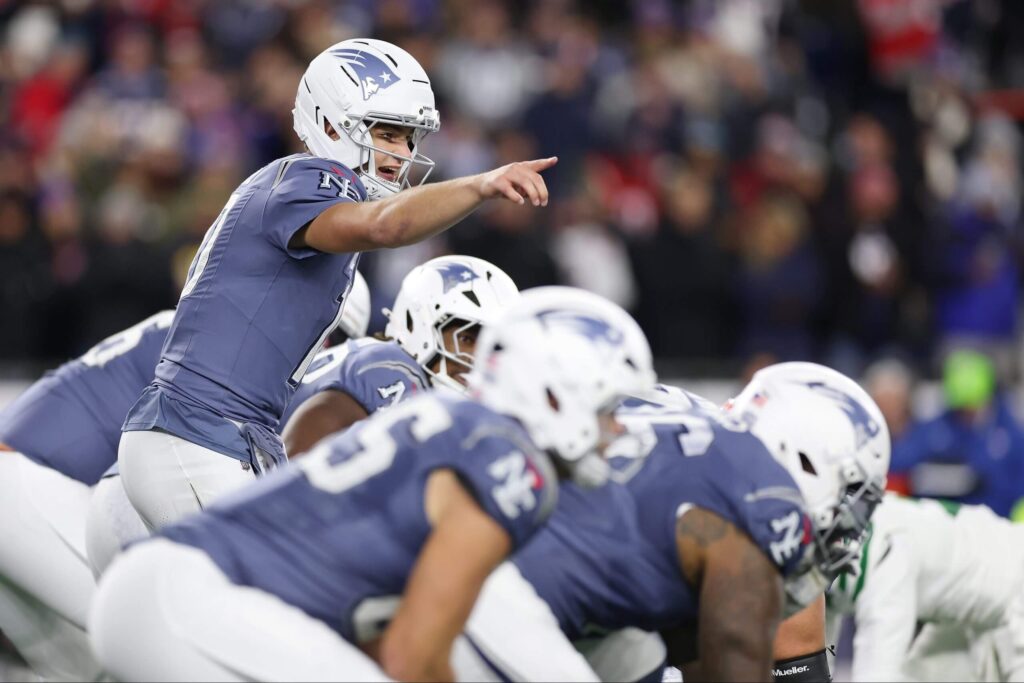
The offensive team is primarily responsible for moving the ball and scoring points. Within this group, several key positions contribute to this objective, each with distinct responsibilities. For instance, the **quarterback** is central to the offense, receiving the ball from the center at the start of each play. This player has multiple options: they can hand off the ball to a **running back**, throw it to a **wide receiver**, or even run the ball themselves.
In stark contrast, **offensive linemen** focus on protecting the quarterback and creating running lanes for their teammates. They do not attempt to score points directly but play a crucial role in enabling their teammates to do so. This division of responsibilities highlights the complexity within the offensive unit, where players with different objectives work towards the same goal.
Defensive Strategies: Stopping the Opponent
On the other side of the field, the defensive team has the critical task of preventing the offense from scoring. Defensive players are strategically positioned to counteract the offensive moves. Key positions include **linebackers**, who serve as the backbone of the defense, and **cornerbacks**, who are responsible for covering wide receivers and defending against passing plays.
The defense employs various strategies to disrupt the offensive flow, including blitzing (sending additional players to pressure the quarterback) and zone coverage (where defenders cover specific areas of the field rather than specific players). These tactics are essential for turning the momentum of the game in their favor.
Special Teams: The Unsung Heroes
While often overlooked, special teams play a pivotal role in determining the outcome of a game. This unit is responsible for kicking plays, including kickoffs, field goals, and punts. **Kickers** and **punters** are specialized positions within this group, tasked with executing precise kicks under pressure.
The effectiveness of special teams can significantly impact the field position, which is critical in American football. A strong performance in this area can create opportunities for the offense and limit the opponent’s scoring chances.
As the NFL continues to evolve, understanding these player positions becomes increasingly important for fans and analysts alike. Each position contributes uniquely to the game, and recognizing these roles enhances the viewing experience. For a more in-depth exploration of the topic, viewers can refer to detailed analyses from sources like the **Tifo team**, which provide valuable insights into the sport’s complexities.
In summary, American football is a multifaceted game where each player’s position holds significant importance. From the quarterback’s leadership to the defensive strategies employed, every role is critical to a team’s success. Understanding these dynamics enriches both the appreciation of the sport and the strategic discussions surrounding it.