As the U.S. automotive landscape evolves, a new generation of vehicles is on the horizon: Extended-Range Electric Vehicles (EREVs). These vehicles combine the benefits of traditional electric vehicles with a combustion engine that acts solely as a generator, alleviating concerns about range and charging infrastructure. This innovative approach is gaining traction as buyers seek alternatives to fully electric options amid shifting market dynamics.
The appeal of EREVs lies in their unique design. Unlike conventional hybrids, an EREV’s combustion engine does not drive the wheels; instead, it recharges the battery while the vehicle is in motion. This offers drivers a safety net, ensuring they can refuel at gas stations if charging options are limited. With long charging times and the scarcity of charging stations posing challenges for electric vehicle owners, EREVs present a practical solution.
Upcoming EREVs in America
Several manufacturers are gearing up to introduce EREVs to the U.S. market by 2026 and beyond. Notable models include:
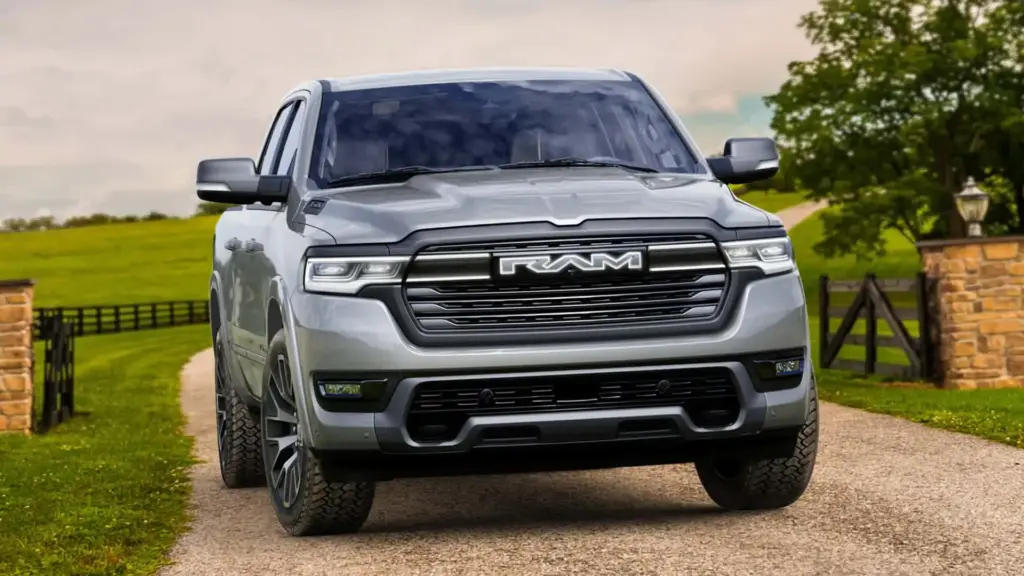
Ram 1500 REV (2026)
The Ram 1500 REV is set to become a key player among EREVs, with production anticipated in the second half of 2026. This full-size pickup truck features a robust 92-kilowatt-hour battery paired with a 3.6-liter Pentastar V-6 engine. The combination yields a remarkable 647 horsepower and 610-pound-feet of torque, providing an estimated electric range of 145 miles and a total range of 690 miles when fueled. The truck is expected to support 145 kW DC fast charging, adding approximately 50 miles of electric range in just ten minutes. Pricing details remain undisclosed but are expected to exceed those of current gasoline models, which can reach $90,000.
Scout Motors (2027)
Moving forward, Scout Motors is reviving the legacy of its iconic vehicles with the Terra pickup and Traveler SUV. Anticipated production at a new facility in South Carolina is slated for late 2026. Each model will feature a 63-kWh lithium-iron phosphate battery, delivering an all-electric range of around 150 miles. When complemented by a rear-mounted four-cylinder gas engine, the total range increases to approximately 500 miles. Initial pricing is projected to start below $60,000.
Jeep Grand Wagoneer (2026)
The refreshed Jeep Grand Wagoneer will also embrace the EREV format, leveraging technology similar to that of the Ram 1500 REV. This SUV is expected to deliver 647 hp and a combined range exceeding 500 miles. The vehicle is anticipated to accelerate from 0 to 60 mph in just five seconds, making it a strong contender in the luxury SUV segment.
Expanding the EREV Landscape
Several other manufacturers are poised to enter the EREV market, each bringing unique offerings.
Hyundai aims to launch EREV SUVs by early 2027. The company has developed a new powertrain that allows for four-wheel drive through a combination of electric motors and a gas engine. This setup is expected to achieve a total range exceeding 560 miles.
Ford is also re-entering the EREV segment with a revamped version of the popular F-150 Lightning. Although details remain sparse, this new iteration will reportedly offer over 700 miles of range, addressing previous concerns about towing capacity.
Similarly, Kia is exploring EREV technology, potentially introducing it in models such as the Telluride SUV. Specific details about this model remain limited, but the company’s commitment to EREVs reflects the growing market interest.
Among others, the Nissan Rogue is set to utilize an updated version of its e-Power system, which operates similarly to EREVs but with a smaller battery. Meanwhile, Volvo is developing next-generation plug-in hybrids that promise increased electric range compared to current offerings.
The EREV segment is rapidly expanding, with numerous manufacturers recognizing the need for versatile, long-range vehicles that can cater to a diverse range of consumer needs. As the automotive industry adapts to changing market dynamics and consumer preferences, EREVs are poised to play a significant role in the future of mobility in the United States.