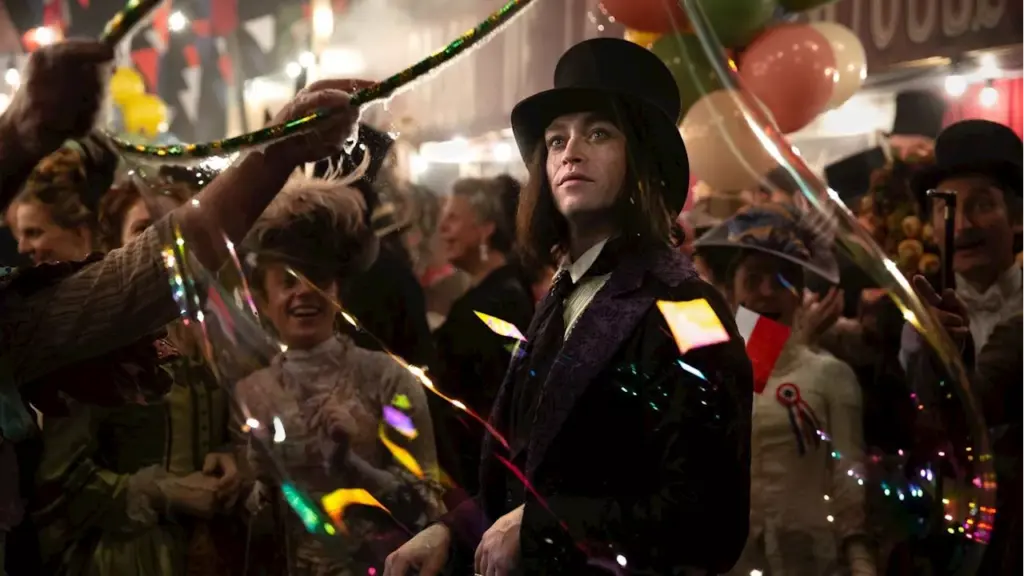
In an interesting reinterpretation of the classic tale, Luc Besson’s new film “Dracula” shifts the focus from horror to a romantic drama. Drawing upon Bram Stoker’s 1897 novel, the film positions the iconic vampire less as a terrifying figure and more as a heartbroken lover. While the film has faced criticism for its derivative elements, it offers a fresh take on a well-known story, particularly for audiences in the United States who encounter a different title than that used during its European release.
Dracula’s New Love Story
The narrative centers around Vlad the Impaler, depicted here as a tragic figure consumed by the loss of his soulmate Elisabeta. Their passionate relationship is abruptly shattered in the mid-15th century when the Ottomans kill Elisabeta, prompting Vlad to renounce God. This act of despair, along with a violent encounter with a priest, grants him immortality. For the next four centuries, Vlad’s existence is driven by a singular goal: to find the reincarnation of his beloved.
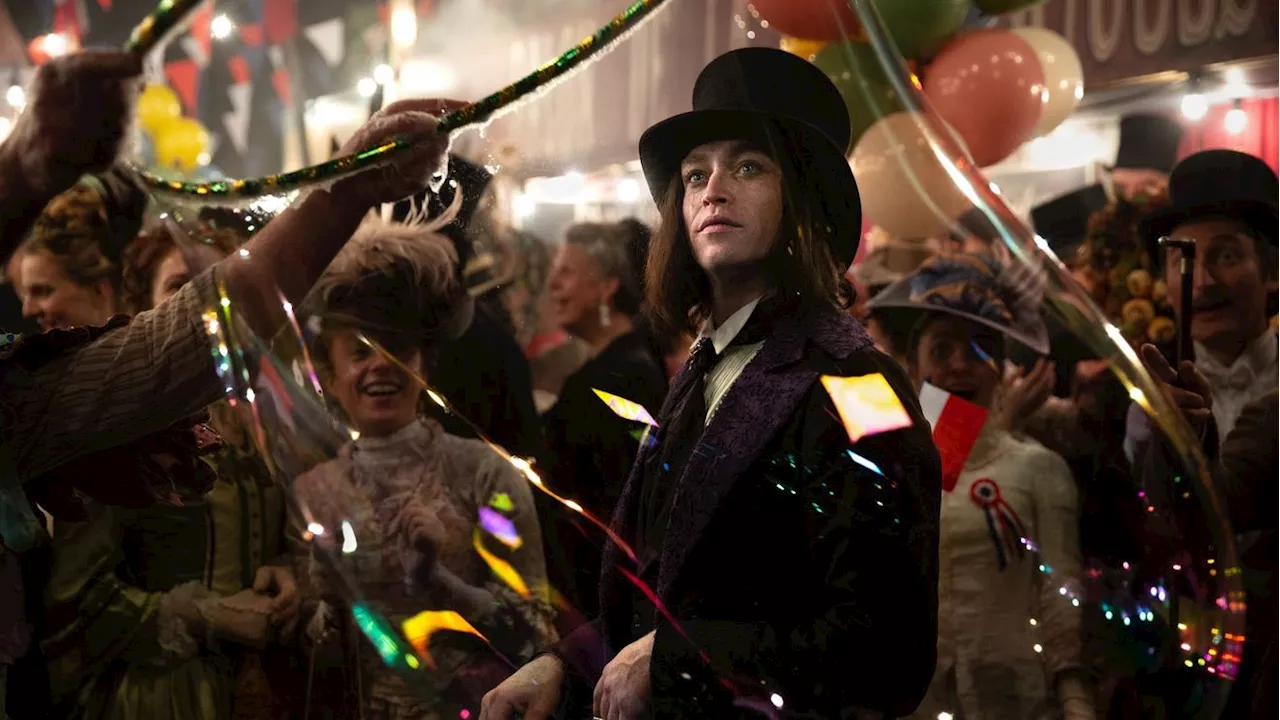
Unlike Stoker’s original text, which largely follows a Gothic horror format, Besson incorporates a romantic subplot that has roots in earlier adaptations but strays far from the novel’s themes. The film’s portrayal of Dracula borrows heavily from Francis Ford Coppola’s interpretation, particularly in its visual design and character portrayal. The vampire’s appearance, with striking white hair and aged skin, mirrors that of Gary Oldman’s performance, although Besson adds his own stylistic choices.
One notable deviation from established lore is the introduction of a perfume that Dracula uses to attract women. This gimmick serves to heighten the romantic angle of the narrative, as he seeks to draw attention to his reincarnated love, now known as Mina Murray. The film simplifies traditional vampire tropes, allowing Dracula to traverse Paris without the constraints of his coffin or the Transylvanian soil that typically bind him.
A Unique Cinematic Experience
As Dracula navigates through modern Paris, he engages in peculiar encounters, including a scene where he preys on a group of nuns to regain his strength. Despite the film’s playful take on the vampire genre, some elements fall flat, particularly the use of low-quality CGI, which detracts from the overall experience.
Christoph Waltz plays a Vatican priest, serving as an unconventional vampire hunter and narrator. His character adds a layer of intrigue, although the narrative sometimes struggles to maintain tension. While some viewers may find the stakes lackluster, Caleb Landry Jones’s portrayal of Dracula provides a captivating perspective on the character, shifting focus from his predatory instincts to his longing for love.
Despite its flaws, the film invites audiences to explore a version of Dracula that is less about terror and more about the search for connection. If the title had been altered to something like “Casanova,” the film’s romantic essence might have been immediately clearer, freeing it from comparisons to its horror-centric origins. Ultimately, Besson’s adaptation presents a unique narrative that, while reminiscent of other interpretations, carves out its own space within the vampire genre.