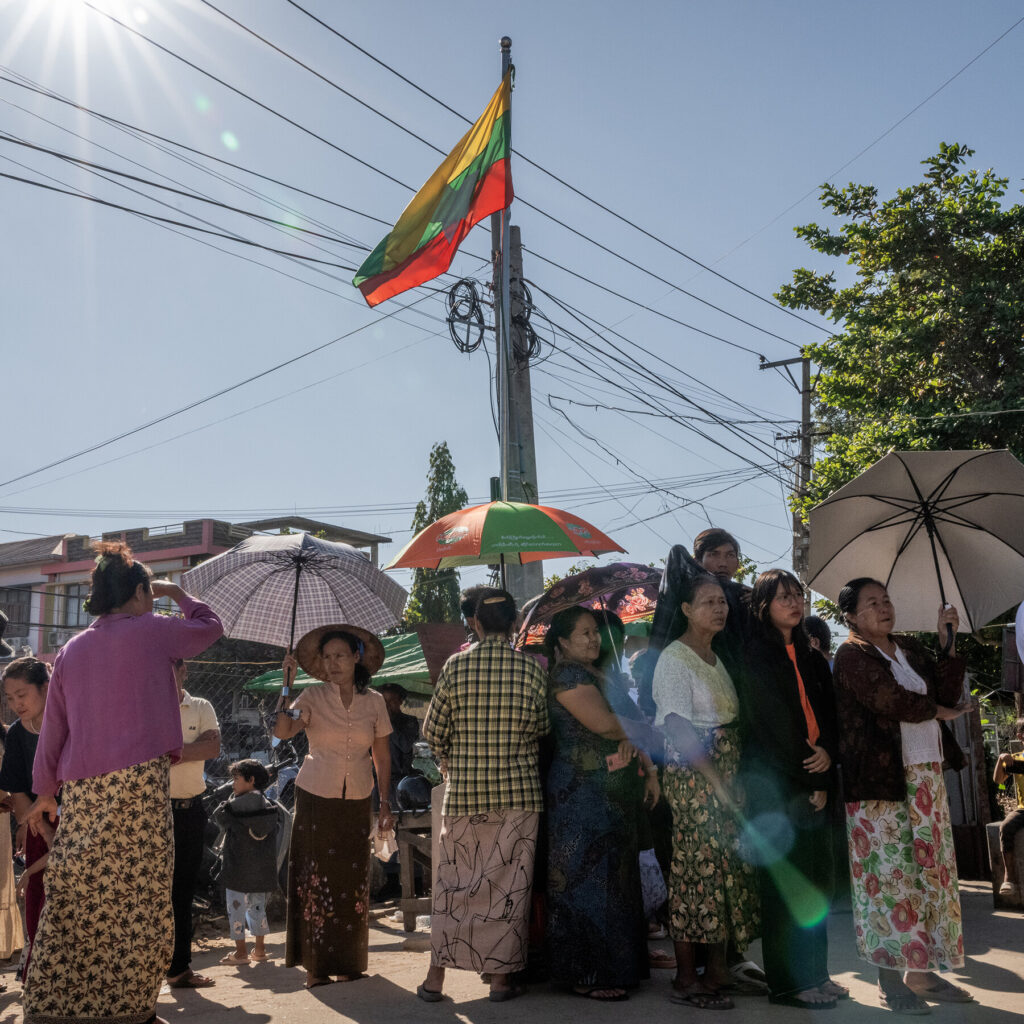
The National Unity Government (NUG) of Myanmar, established in April 2021 as a pro-democracy alternative to the military junta, is facing significant challenges in maintaining its relevance and influence. Critics argue that the NUG has fallen short of achieving many of its key objectives, leading to questions about its future viability in the wake of ongoing political turmoil.
The NUG was formed by a coalition of ousted lawmakers, activists, and ethnic leaders shortly after the military coup that overthrew the democratically elected government led by Aung San Suu Kyi. Since then, the junta has faced widespread opposition, with the NUG positioning itself as a legitimate government representative of the people. Despite initial enthusiasm and some international recognition, the NUG’s effectiveness has been increasingly scrutinized.
One of the primary criticisms of the NUG is its inability to unify various opposition groups and provide a cohesive strategy against the military. While the organization has been successful in garnering some level of international support, including recognition from countries like the United Kingdom and various organizations, this has not translated into substantial political gains on the ground.
Challenges to Achieving Goals
The NUG’s ambitious goals—including restoring democracy and addressing human rights violations—have proven difficult to realize. In a recent statement, a spokesperson for the NUG noted that its efforts have been hampered by the military’s violent repression of dissent and the complexities of coordinating a diverse range of ethnic armed groups.
Critics point to the NUG’s limited capacity to provide essential services, such as healthcare and education, in areas under its control. This has raised concerns among the population about the NUG’s ability to govern effectively, further diminishing its legitimacy. The persistent violence and instability have created an environment where many citizens remain skeptical of the NUG’s capabilities.
Despite these hurdles, the NUG continues to advocate for international intervention and increased sanctions against the junta. It has also sought to strengthen ties with other democratic governments and organizations to bolster its standing. However, the efficacy of these initiatives remains uncertain, as the junta maintains tight control over much of the country.
Future Prospects and International Response
Looking ahead, the prospects for the NUG appear precarious. As the junta consolidates its power, the NUG faces the daunting task of revitalizing its support base and demonstrating its effectiveness as a governing body. The ongoing humanitarian crisis, exacerbated by the military’s actions, further complicates these efforts.
Internationally, responses to the situation in Myanmar have been mixed. While some countries have expressed solidarity with the NUG, others have been hesitant to fully commit to supporting a government that has yet to establish clear governance frameworks. At this juncture, the NUG’s future will largely depend on its ability to evolve and adapt to the changing political landscape within Myanmar.
In summary, the National Unity Government stands at a critical crossroads. With significant challenges ahead, its leaders must navigate a complex web of opposition, military repression, and international dynamics to remain relevant in the fight for democracy in Myanmar.