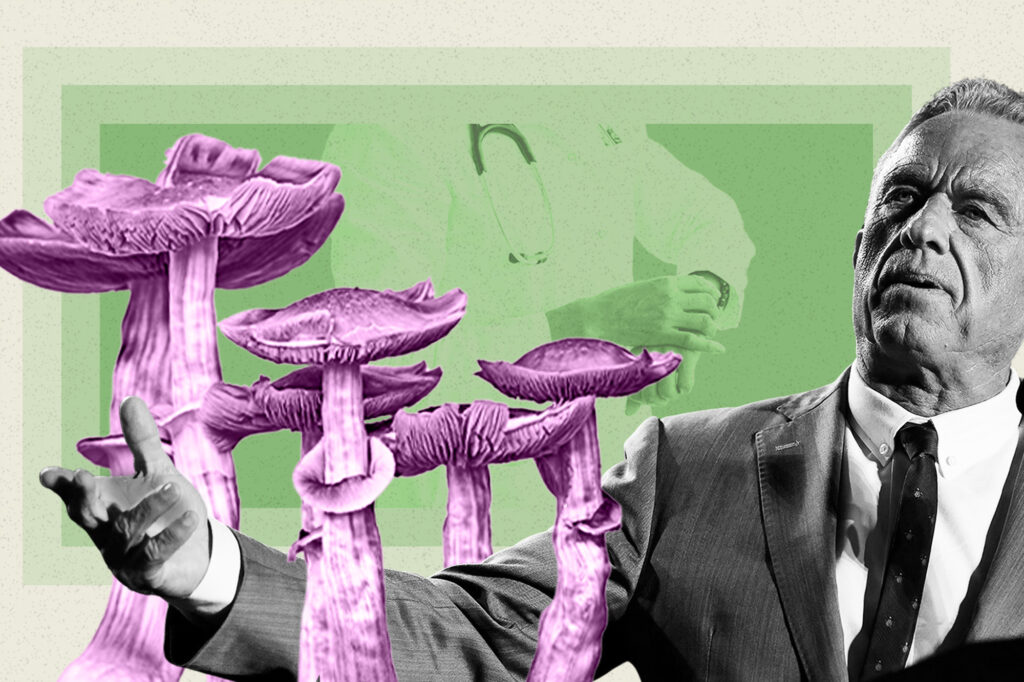
The anticipated revolution in psychedelic medicine, championed by Robert F. Kennedy Jr., has yet to materialize, leaving many advocates disillusioned. Promoters of these mind-altering substances, which are believed to hold therapeutic potential, had high hopes that Kennedy’s leadership as the U.S. Secretary of Health could accelerate the acceptance and integration of psychedelics into mainstream healthcare. As of now, those hopes remain largely unfulfilled.
Kennedy’s appointment in December 2021 was seen as a breakthrough for proponents of psychedelic therapy. With a background rich in advocacy for health issues, many viewed him as a pivotal figure who could influence regulatory changes and broaden research opportunities. However, nearly two years later, the anticipated reforms have stalled, leading to frustration among advocates and researchers alike.
The U.S. Department of Health and Human Services has made minimal progress in addressing barriers to psychedelic research. Although some studies have shown promising results—particularly with substances like MDMA for PTSD and psilocybin for depression—the regulatory landscape remains complex and slow to adapt.
Advocacy groups such as the Multidisciplinary Association for Psychedelic Studies (MAPS) continue to push for legislative changes. They argue that the therapeutic potential of these substances can significantly benefit mental health treatments, especially in a time when traditional therapies often fall short. Yet, the lack of substantial action from the health department has led to a sense of urgency within the community.
Despite the stagnation, there have been some developments in clinical trials. The FDA has granted breakthrough therapy designation for several psychedelic compounds, which allows for a more expedited review process. However, the translation of these designations into widespread clinical use has been sluggish.
Pharmaceutical companies and research institutions are eager to explore psychedelic medicine further, yet they face a labyrinth of regulatory hurdles. The delay in implementing supportive policies has stymied potential advancements and left many patients waiting for access to alternative treatment options.
Kennedy’s vision of a transformed health landscape through psychedelics now seems distant. His initial promises of reform and accessibility have not yet materialized into concrete actions. As advocates continue to await change, the question remains: will the tide turn in favor of psychedelic medicine, or will it remain a tantalizing possibility on the horizon?
The ongoing dialogue surrounding psychedelic medicine highlights a critical intersection of science, policy, and public health. While the challenges are significant, the potential benefits for mental health treatment could be transformative. As stakeholders push for progress, the hope for a new era in healthcare continues to inspire both advocates and patients alike.