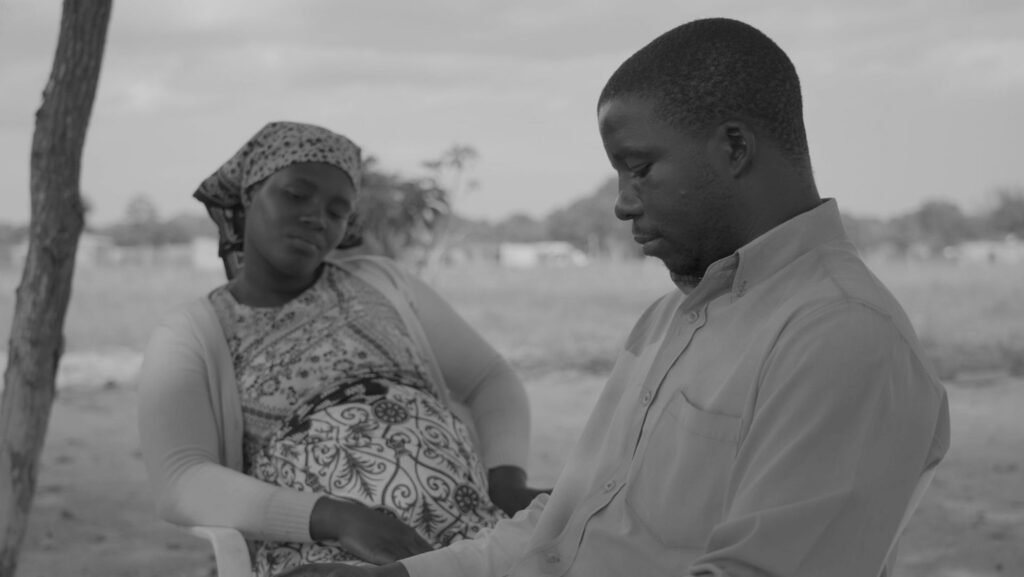
Mozambican filmmaker Ique Langa has made his feature debut with the film O profeta (The Prophet), which is set to premiere on January 30, 2024, at the International Film Festival Rotterdam (IFFR). The film delves into themes of faith, doubt, and the allure of the supernatural through the story of a pastor who turns to witchcraft as his faith wanes.
Langa describes the film as a personal exploration, rooted in his experiences in the small town of Manjacaze, where he spent much of his childhood. “The story came from a very personal place,” he shared. He highlights the recent surge of pastors in Mozambique, many of whom have been rumored to possess alternative powers. “I went to visit my aunt one time, and there was one church like that. When I went back two months later, there were three such churches,” he recalled, noting the rapid proliferation of these religious figures in his community.
The narrative follows Pastor Hélder, who grapples with his diminishing faith and the temptation to explore witchcraft and sacrifice as a means of reclaiming it. Langa emphasizes the universal nature of this struggle: “He opens this door to get what he wants, but he doesn’t know what he is going to get in exchange.” This central theme serves as a cautionary tale about the consequences of choices made in pursuit of desire.
Community-Centric Casting and Production
The film features a non-professional cast, which includes actors such as Admiro De Laura Munguambe and Nora Matavel. Langa made the conscious decision to work with local talent to emphasize authenticity. “This movie was all done with non-actors. Nobody’s a professional,” he stated, explaining how the community’s involvement enriched the film’s narrative. The production took nearly nine years, during which the filmmaker experienced significant personal losses, including the deaths of two cast members. These events deeply influenced the film’s emotional depth.
Visually, O profeta is presented in striking black and white. Langa explains that this choice was instinctual, despite initial pushback from peers who encouraged him to use color. “When I tried imagining it in color, it just never came out. So, I just decided to write and imagine the whole movie in black and white. That’s what my heart wanted it to be,” he said. His artistic influences include renowned filmmakers such as Robert Bresson and Yasujirō Ozu, whose works emphasize silence and contemplation.
Exploring Spirituality and Tradition
The film navigates the intersection of traditional beliefs and Christianity, reflecting the complexities of spirituality in Mozambique. Langa notes the cultural belief that deceased loved ones transition into spirits and eventually ancestors, complicating the pastor’s journey as he seeks to understand his faith and heritage. “The movie explores that, but also the existence of traditional beliefs alongside Christian beliefs, and how they almost become one,” he stated.
Langa’s creative process was also informed by the rich artistic heritage of Mozambique, including influences from the country’s celebrated painter Malangatana Ngwenya. He has expressed a strong desire to contribute to the local film landscape, and his work embodies a narrative style that resonates with the experiences of his community.
Now that O profeta is ready for its world premiere, Langa is also working on his next project titled Chapa 100, which focuses on the lives of street vendors in the capital city of Maputo. “It’s the story of an older couple that meets later in life. And something magical happens,” he shared, indicating his commitment to exploring rich and varied stories from his homeland.
Langa’s debut is not just a film but a reflection of the cultural landscape of Mozambique, inviting audiences to engage with its themes of faith, temptation, and the human experience. With its premiere at IFFR, O profeta promises to be a significant addition to the international film scene, highlighting the artistic voice emerging from Mozambique.