UPDATE: The FDA has just announced critical changes to naloxone guidelines, emphasizing the urgent need for pharmacists to take action amid the ongoing opioid crisis. In 2022, the U.S. recorded a staggering 107,941 overdose deaths, highlighting a national emergency that still persists into 2023.
This regulatory update, confirmed by the FDA in July 2025, mandates significant safety labeling changes for all opioid pain medications. It underscores the risks of long-term use, including addiction, misuse, and overdose. With opioid-related deaths accounting for 80% of all drug overdose deaths in 2021, the call for preventive measures has never been more urgent.
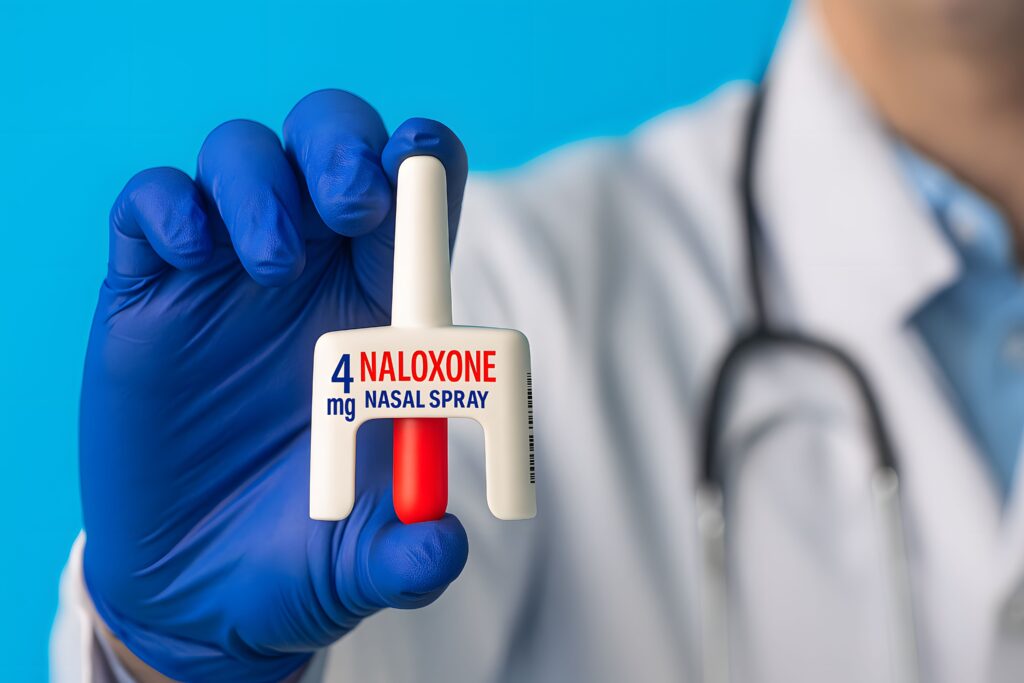
Pharmacists play a pivotal role in safeguarding patients prescribed opioids. They must ensure that naloxone, an essential opioid antagonist capable of reversing potentially fatal overdoses, is recommended when patients are prescribed opioids exceeding a daily morphine milligram equivalent (MME) of 50 to 90. States like Arkansas and California have established mandates for naloxone prescriptions at these thresholds.
Moreover, patients prescribed both opioids and benzodiazepines face an even greater overdose risk. These medications, classified as central nervous system depressants, enhance the respiratory depression effects caused by opioids. As a result, states including Arkansas, Rhode Island, and South Carolina require naloxone prescriptions when these drugs are coprescribed, reflecting the heightened danger.
Pharmacists are now urged to consider a broader range of overdose risk factors beyond MME thresholds. This includes assessing benzodiazepine use, a history of substance use disorder (SUD), and other medical conditions. For instance, older patients, those with sleep apnea, or individuals with liver and kidney diseases may have increased vulnerability to opioid overdose.
The Mississippi State Department of Health (MSDH) is leading the charge with Project AUTO-MED, a new initiative that distributes naloxone kits from the emergency department of the University of Mississippi Medical Center (UMMC). This program aims to enhance access to naloxone and has already been implemented at multiple locations, including UMMC Jackson and Baptist Oxford.
As part of this initiative, pharmacists like Ashton Smith are providing critical training on naloxone administration. The program has received positive feedback from patients and healthcare staff alike, though outcome data is still pending due to its recent launch.
Pharmacists must also actively combat the stigma surrounding naloxone. It is crucial to communicate to patients and caregivers that possessing naloxone is a preventive measure rather than an indication of opioid abuse. This shift in perception is vital for improving the acceptance and utilization of this life-saving medication.
In addition to naloxone distribution efforts, the FDA’s recent approval of new nonopioid pain medications, such as Suzetrigine, could provide alternative pain management options without the risks associated with opioids.
As the opioid epidemic continues, pharmacists are urged to act now. By identifying at-risk patients and recommending naloxone prescriptions, they can play an instrumental role in preventing overdose deaths. The time for action is NOW—lives are at stake.
Pharmacists must remain informed about their state’s regulations regarding naloxone prescriptions, including MME thresholds and concurrent medication considerations. With the opioid crisis still claiming lives daily, the commitment to safeguarding patients has never been more critical.
Stay tuned for further developments as this situation evolves.