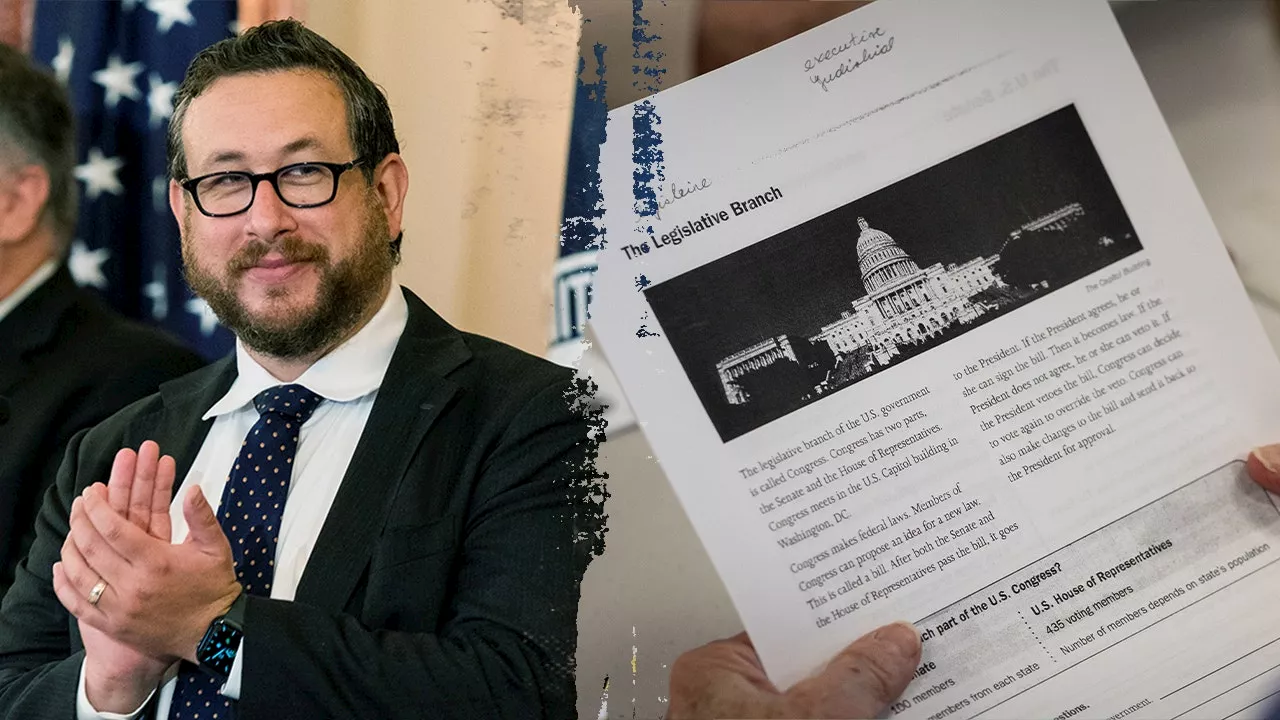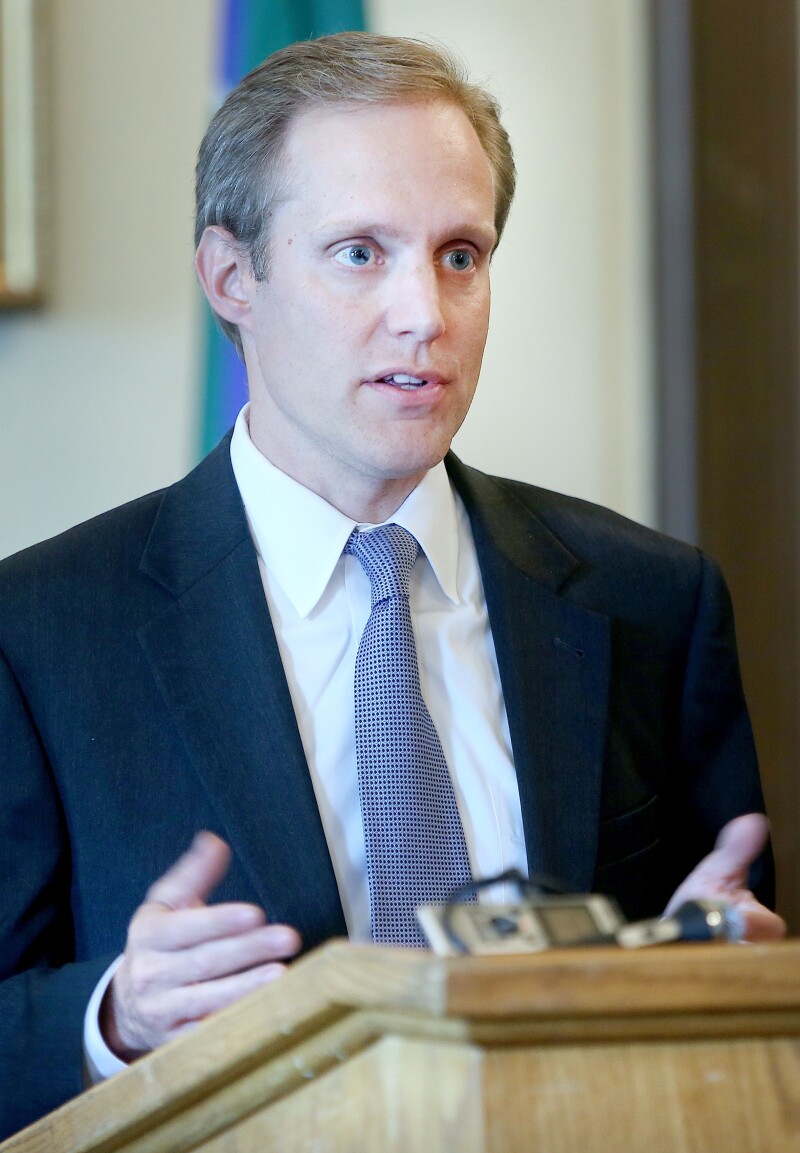
On January 24, 2026, Minnesota Secretary of State Steve Simon firmly rejected a request from U.S. Attorney General Pam Bondi to provide access to the state’s voter rolls. This request coincided with heightened tensions following the shooting of a second Minnesotan by federal immigration enforcement agents, prompting public outcry and demonstrations across the state.
In her letter, Bondi outlined three demands intended to “restore the rule of law, support ICE officers, and bring an end to the chaos in Minnesota.” Among these, the request to access Minnesota’s voter registration data has drawn significant scrutiny. Simon responded publicly, emphasizing that the request represented an “outrageous attempt to coerce Minnesota into giving the federal government private data on millions of U.S. citizens.” He asserted that this demand violates both state and federal laws.
Response to Federal Demands
Simon highlighted the integrity of Minnesota’s electoral process, stating, “Our elections are fair, accurate, honest, and secure.” Local officials manage the electoral system, ensuring that all citizens have access to secure ballot options. Despite previous efforts, the U.S. Department of Justice (DOJ) has not provided any evidence of wrongdoing within Minnesota’s electoral framework, yet continues to insist on access to sensitive personal information, including social security and driver’s license details.
Simon noted that Minnesota has consistently offered to share publicly available voter data with the DOJ, but these offers have been declined. He pointed out that 31 other states have also rejected similar requests from the federal government, with the DOJ currently engaged in litigation with 24 of those states. Courts have dismissed claims in three of those cases, indicating a growing judicial skepticism regarding the DOJ’s demands.
Concerns Over Federal Actions
In his statement, Simon expressed deep concern about the tactics employed by ICE agents, which he described as “dangerous, destabilizing, unnecessarily cruel, and counterproductive.” He called for an end to what he termed the “unprecedented and deadly occupation” of Minnesota by federal forces. Simon encouraged the public to maintain peaceful and law-abiding behavior, urging officials from various sectors to promote de-escalation in response to the current situation.
The ongoing tensions in Minnesota reflect broader national discussions about immigration enforcement and the balance between federal authority and state rights. As the situation develops, Simon and other state officials remain committed to protecting voter privacy and upholding the law.