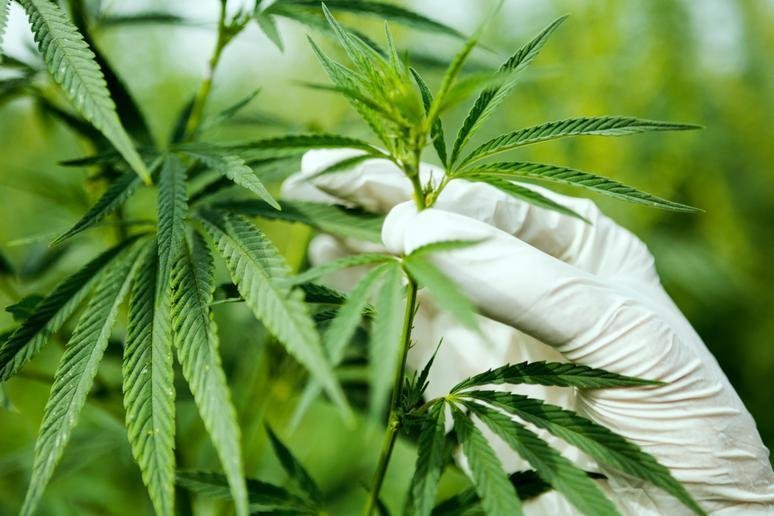
TALLAHASSEE — The effort to place a recreational marijuana amendment on Florida’s November ballot faces significant hurdles, as the state Division of Elections has reported that the political committee behind the initiative, Smart & Safe Florida, has submitted only 714,888 valid signatures. This figure is approximately 40,000 signatures more than previously reported but still falls short of the 880,062 signatures required for ballot placement.
The update, issued on Thursday, follows a lawsuit filed by Smart & Safe Florida against the state elections office, which has been accused of neglecting its duty to accurately report valid signature counts. According to the state’s website, the latest numbers do not reflect the Secretary of State Cord Byrd’s full assessment of verified signatures, with ongoing corrections by county supervisors of elections due to court rulings and other requirements.
Legal Challenges and Delays
Smart & Safe Florida is racing against a deadline of February 1, 2024, to meet the necessary signature count. The committee recently sought judicial intervention in Leon County, demanding that the state elections office update its website to reflect the valid signatures vetted by county officials. The lawsuit indicates that Byrd’s office has violated state law that mandates weekly updates on valid petition signatures from December 1 to the February deadline.
The Division of Elections had previously reported 675,307 valid signatures as of November 23. However, this number remained unchanged for several weeks, despite evidence that additional signatures had been verified by county supervisors. Judge Jonathan Sjostrom expedited the case, prompting the state’s legal representatives to assert that the website had been updated, albeit with caveats regarding the accuracy of the reported numbers.
According to a declaration from Maria Matthews, the Director of the Division of Elections, the office halted updates following a November 25 ruling that required the invalidation of petitions lacking the complete text of the proposed amendment. This decision impacted an estimated 200,000 signatures, which were not included in the totals available on the state’s website.
Escalating Investigations and Political Pressure
The push for recreational marijuana legalization is further complicated by allegations of signature fraud. Attorney General James Uthmeier has intensified efforts to block the measure, announcing the arrest of Teagen Marie Targhuhanuchi for allegedly submitting fraudulent voter registrations linked to the marijuana petitions. Uthmeier condemned the actions of major corporations in the marijuana industry, stating, “There is no excuse for a mega marijuana corporation and its affiliates to fraudulently hijack Florida’s Constitution.”
In a significant escalation, Uthmeier’s office has initiated 46 criminal investigations and issued subpoenas for records from Smart & Safe Florida and its associates to scrutinize potentially fraudulent activities. Uthmeier is also urging the Florida Supreme Court to prevent the marijuana proposal from reaching voters, labeling it as misleading and fundamentally flawed.
The Supreme Court is currently deliberating on whether the amendment meets the legal requirements to be placed on the ballot, while Smart & Safe Florida maintains that it fulfills all necessary criteria. As the situation unfolds, the political and legal landscape surrounding Florida’s recreational marijuana initiative continues to evolve, with implications for both the amendment’s future and the integrity of the electoral process.