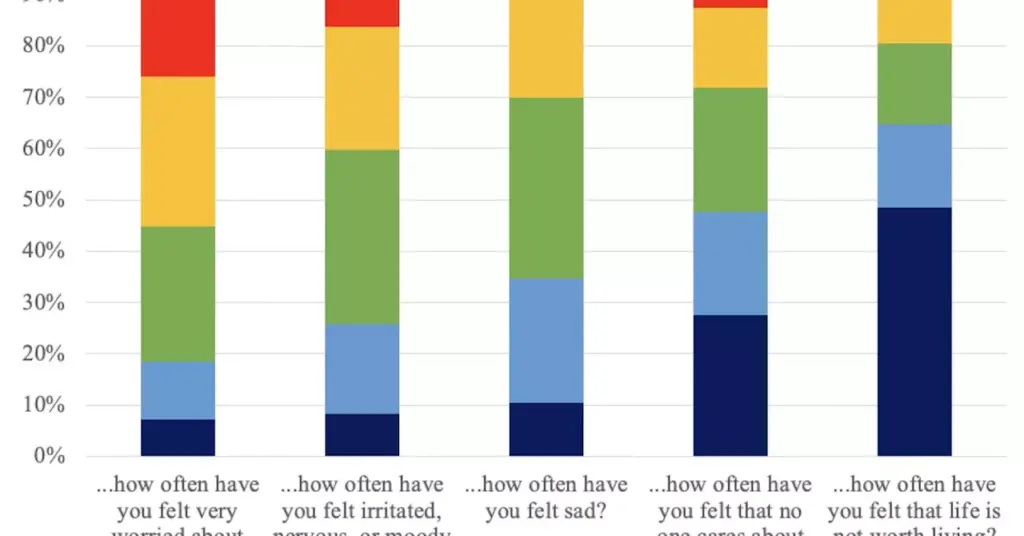
A recent study from Brazil reveals a significant connection between peer victimization in schools and higher rates of depressive symptoms among adolescents. Conducted by researchers including Josafa da Cunha from the Federal University of Paraná, the study analyzed data from over 165,000 adolescents nationwide, highlighting critical mental health implications for youth.
The research, organized by the Ministry of Health, aimed to assess how experiences of bullying relate to reported symptoms of depression among Brazilian youth. Although many students indicated they rarely or never experienced depressive symptoms, the study found that a notable percentage—between 13 to 40 percent—did report experiences of victimization. This raises concerns about the overall mental well-being of a significant group of adolescents.
Participants were asked about their experiences of being bullied or teased in the past month. Responses revealed that a majority reported no instances of peer victimization. Nonetheless, the findings underscore the alarming reality for those who do experience bullying, as peer victimization accounted for an additional 34.41 percent of the differences in depression scores among students. This indicates that the impact of being bullied is profound and cannot be overlooked.
Previous research has indicated that victimization by peers can have long-lasting effects. The current study reinforces these findings, confirming the link between bullying and depression in a large-scale context representative of the experiences of youth in many countries.
Implications for School Environments
The study emphasizes the critical role school environments play in shaping adolescents’ mental health. While most students reported few depressive symptoms and low levels of victimization, those who did face bullying were significantly more likely to report feelings of sadness and moodiness. The research highlights that schools with lower instances of victimization are associated with reduced depression rates among students.
Efforts by school administrators and teachers to foster supportive environments appear to be beneficial. As the authors note, initiatives aimed at reducing bullying can positively influence students’ mental health. Josafa da Cunha and colleagues suggest that further studies should explore how positive teacher-student relationships and a healthy classroom climate can serve as protective factors against the depressive effects of peer victimization.
The findings present a clear message: while many adolescents navigate their school years without significant issues, those who do experience bullying require targeted support. Schools that prioritize safe and inclusive environments not only help reduce instances of victimization but may also play a vital role in promoting better mental health outcomes for their students.
Ultimately, the study advocates for a broader understanding of how to create safer school settings. Every young person deserves a nurturing space to learn and grow, and this research provides a foundation for further exploration into how educational institutions can support their mental health effectively.
The work of Josafa da Cunha and his team at the Interagir Lab continues to shed light on critical issues facing adolescents today, emphasizing the importance of addressing peer relationships in fostering healthier school environments.