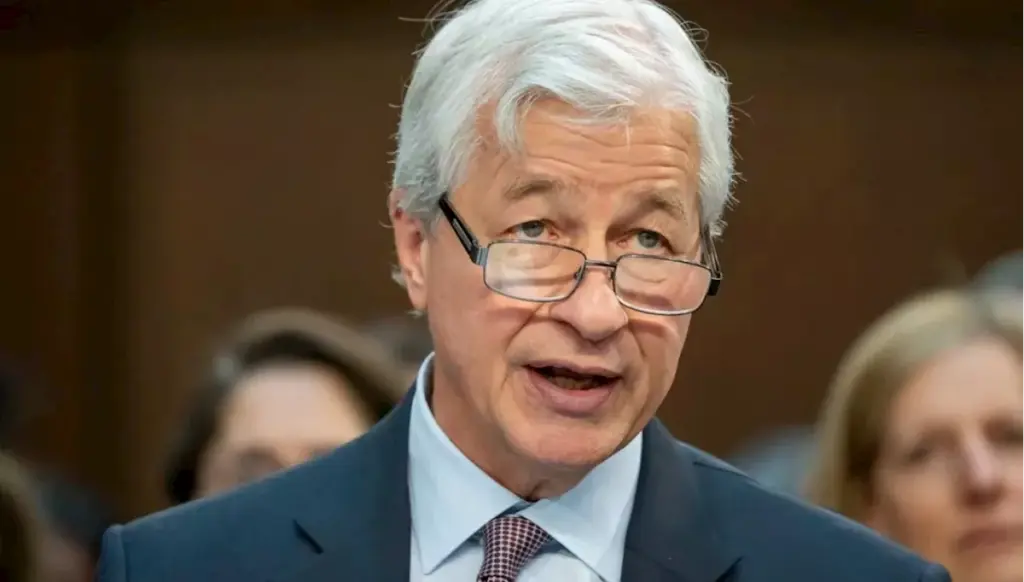
Former President Donald Trump has initiated a $5 billion lawsuit against JPMorgan Chase and its CEO Jamie Dimon, alleging that the bank unlawfully terminated his personal and business accounts following the events of January 6, 2021. The lawsuit claims that the decision to “debank” Trump was politically motivated, a charge that JPMorgan Chase has categorically denied.
The lawsuit, filed on March 15, 2024, does not assert that JPMorgan Chase violated any laws in deactivating Trump’s accounts. Instead, it focuses on the broader implications of financial institutions potentially acting under political pressure. Trump’s legal team argues that the bank’s actions were influenced by political bias, particularly in light of the increased scrutiny he faced from various legal entities after the Capitol riots.
In response to the allegations, JPMorgan Chase stated that it terminated Trump’s accounts due to concerns about “legal or regulatory risk.” The bank maintains that its decisions are guided by compliance with federal regulations, such as the Bank Secrecy Act, which empowers banks to close accounts they deem risky without providing specific reasons to customers.
For context, the Bank Secrecy Act requires financial institutions to report suspicious activities that might indicate money laundering or other financial crimes. This has led to a culture of caution among banks, where they may preemptively close accounts to mitigate potential legal repercussions. Trump’s lawsuit raises questions about whether JPMorgan Chase acted independently or in response to pressure from federal authorities, particularly from the Justice Department and prosecutors in jurisdictions where Trump has faced legal challenges.
The implications of the lawsuit extend beyond Trump’s personal finances. Should the court find that JPMorgan Chase acted under coercive political influence, it could pave the way for broader discussions about the intersection of finance and politics in the United States. Conversely, if the bank’s actions are upheld as compliant with established regulations, it would reinforce the industry’s ability to operate without the influence of political affiliations.
As the case unfolds, it may serve as a critical examination of how financial institutions navigate political landscapes and the potential repercussions for clients who find themselves at the center of political controversies. The outcome could have lasting effects not only on Trump but also on how banks handle accounts associated with politically exposed individuals in the future.
The lawsuit will likely be a protracted legal battle, and as discovery proceeds, the focus will be on uncovering the motivations behind JPMorgan Chase’s decision. If it is revealed that the bank acted under direct pressure from federal officials, it could significantly alter the narrative surrounding this contentious legal situation.
In the coming months, the case will not only draw attention from legal experts and political analysts but also from observers concerned about the implications for the financial sector at large. The intersection of finance and politics remains a delicate balance, and Trump’s lawsuit promises to shed light on the complexities involved in navigating this challenging terrain.