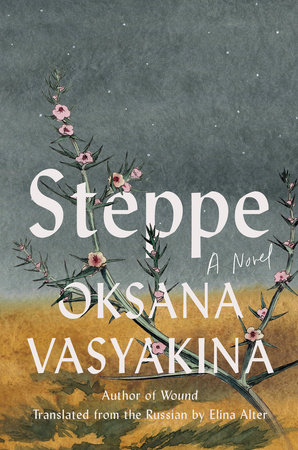
The experience of driving across the Russian steppe encapsulates a unique blend of solitude, vastness, and unexpected encounters. In her evocative work, Oksana Vasyakina paints a vivid picture of life on the steppe, drawing readers into the world of long-distance trucking and the complex relationship between drivers and the expansive landscape they navigate.
Through the window of a truck, the steppe unfolds like a living canvas. Described as resembling “a sinewy piece of yellow meat,” the terrain is marked by dark-orange lines and gray rivers that flow through the sands. It is not a barren desert but a vibrant ecosystem teeming with life, from chirping insects to darting snakes in the Volga delta. This unique setting serves as a backdrop for stories filled with both beauty and hardship.
As Vasyakina recounts, the steppe’s vastness can be mesmerizing yet unforgiving. The author reflects on her father’s experiences driving a MAZ truck loaded with steel pipes. He often warned against straying from the paved road, emphasizing the dangers of getting stuck in the sand. The steppe is characterized by its rolling hills and patches of grass and flowers, yet it demands respect from those who traverse it.
One striking anecdote reveals a harrowing incident from her father’s past. While driving to Volgograd just before dawn, he fell asleep at the wheel, leading to a tragic accident with two intoxicated traffic officers. The collision resulted in their deaths, but her father faced no repercussions, as the circumstances of the crash were deemed unavoidable. This incident reflects the harsh realities of life on the steppe, where the vast space can sometimes shield individuals from accountability.
The narrative also delves into the challenges of truck driving, particularly when transporting perishable goods. Vasyakina describes the unpleasantness of hauling chickens or watermelons, which often results in a messy and odorous experience. In contrast, her father preferred transporting pipes, which required less oversight and posed fewer risks of spoilage.
Over time, the steppe has transformed significantly. Once a fertile region capable of yielding multiple harvests, it has become a landscape marked by abandoned irrigation systems and decaying infrastructure. Vasyakina captures the nostalgia of a time when the steppe was a thriving garden, filled with vibrant crops like tomatoes and pumpkins. Now, remnants of the past lie buried beneath the sands, forgotten but not completely erased.
In the modern landscape, the theft of irrigation pipes has become a common practice among opportunistic businessmen. Vasyakina recounts how her father became unwittingly involved in this underground economy, driving stolen goods from the steppe to urban markets. The cyclical nature of this trade highlights the complexity of survival in a region that has seen better days.
Waiting is a recurring theme in her father’s life, as he often found himself stranded in the vast steppe, waiting for contacts to arrive with stolen goods. During these moments, they would pass the time with simple meals and vodka, embracing the stillness of their surroundings. This waiting becomes a philosophical exploration of existence, where time stretches into an unmanageable expanse, demanding to be lived rather than merely endured.
As Vasyakina describes the evenings on the steppe, the sky transforms into a delicate canvas of colors, presenting an opportunity for reflection. The vastness can evoke feelings of awe, reminding her father of his deep connection to this unforgiving yet beautiful terrain. He cherished the steppe for its openness and the freedom it represented, despite the challenges it presented.
While her father was a man of few possessions, he found solace in the steppe’s boundless space. His life revolved around the truck he borrowed and the roads he traveled, yet he remained indifferent to the financial burdens that accompanied his work. The impending introduction of new trucking regulations loomed over him, raising concerns about the future of independent drivers. Yet, he clung to the belief that life on the steppe was about making choices—driving when he wanted and resting when he could.
Ultimately, Vasyakina’s portrayal of life on the steppe transcends mere description. It is an exploration of the human experience, intertwining themes of solitude, survival, and the relentless passage of time. Through her father’s journey, she captures the essence of a landscape that is as beautiful as it is desolate, inviting readers to reflect on their own connections to space and existence. The steppe stands as a testament to resilience and the enduring nature of life against the backdrop of an expansive and often harsh environment.