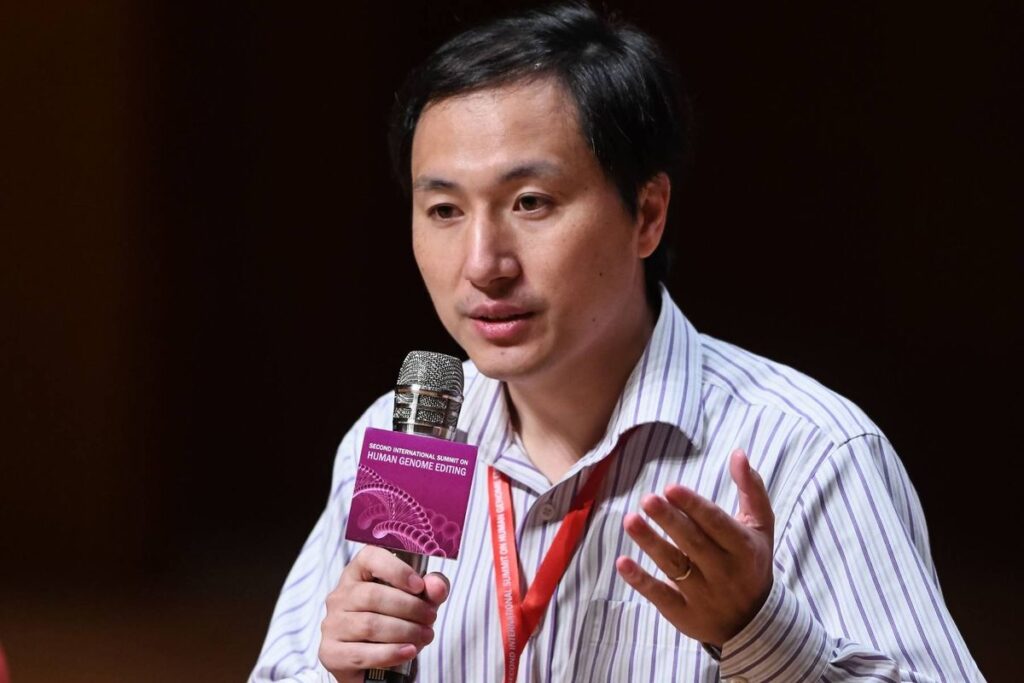
He Jiankui, the biophysicist who gained global notoriety for creating the first gene-edited babies, has been released from prison and is poised to resume his research, this time focusing on preventing Alzheimer’s disease. Jiankui was incarcerated in 2018 after his controversial experiment, which aimed to modify the genomes of three embryos to offer resistance to HIV, sparked international outrage over ethical and safety concerns.
Following his release, Jiankui has not shown signs of changing his approach. He is now seeking funding to explore a genetic mutation found in Icelandic populations known for their resilience to Alzheimer’s and extended lifespans. His proposed research will begin with animal testing, as reported by the Daily Star. The implications of his work are significant, especially as gene-editing technology continues to evolve rapidly in various medical fields.
Return to Controversial Methods
Jiankui’s previous experiment, which he announced at a conference before comprehensive peer review, involved editing genes in embryos that were ultimately brought to term. This experiment was deemed illegal, leading to a three-year prison sentence imposed by Chinese authorities for illegal medical practices. The backlash stemmed from concerns regarding informed consent from the parents and the potential long-term effects on the children involved.
His current focus on Alzheimer’s disease, while seemingly positive, raises ethical questions once again. The type of germline editing Jiankui advocates is restricted in many countries due to its potential risks and the ethical implications tied to modifying human embryos. Despite these obstacles, Jiankui remains undeterred and is reportedly targeting South Africa as a potential location for future human trials, given that the country legalized germline gene editing last year, according to NewsBytes.
Advancements in Gene Editing
The field of gene editing is advancing, particularly in areas such as somatic therapies, which do not alter germline cells. These therapies are gaining traction as viable options for treating serious diseases, reflecting a consensus in the scientific community that while gene editing holds transformative potential, germline editing for reproductive purposes should remain prohibited.
As Jiankui seeks to reinvigorate his research efforts, the scientific community will undoubtedly scrutinize his work closely. His past actions have intensified the debate over the ethical boundaries of genetic manipulation, and the potential consequences of his research on public health and safety remain a critical concern.
The path forward for Jiankui is fraught with challenges, as he attempts to navigate the complex landscape of genetic research while addressing the ethical considerations that have previously hindered his work. The implications of his findings could have far-reaching effects on the future of gene editing and its applications in medicine.