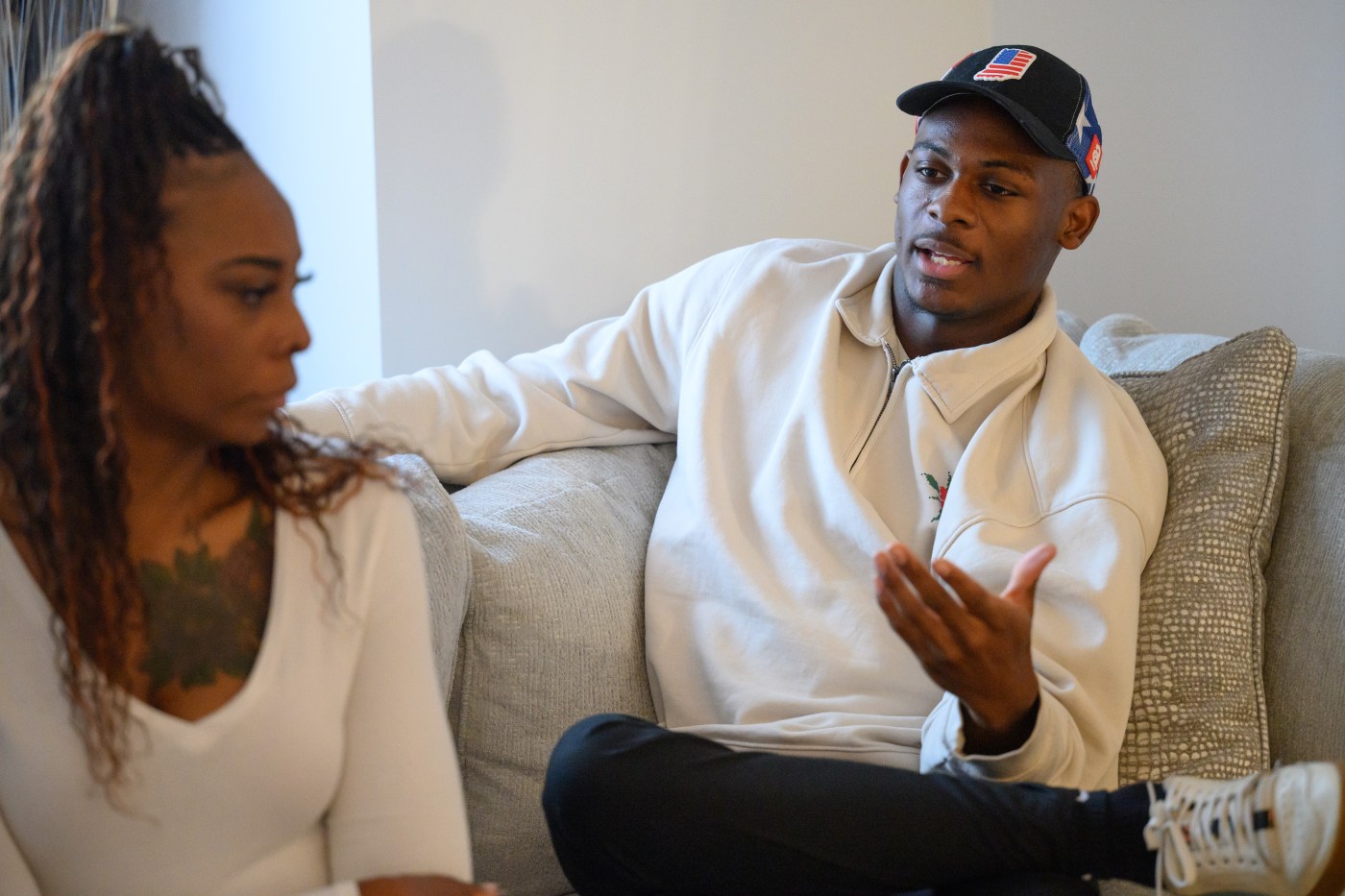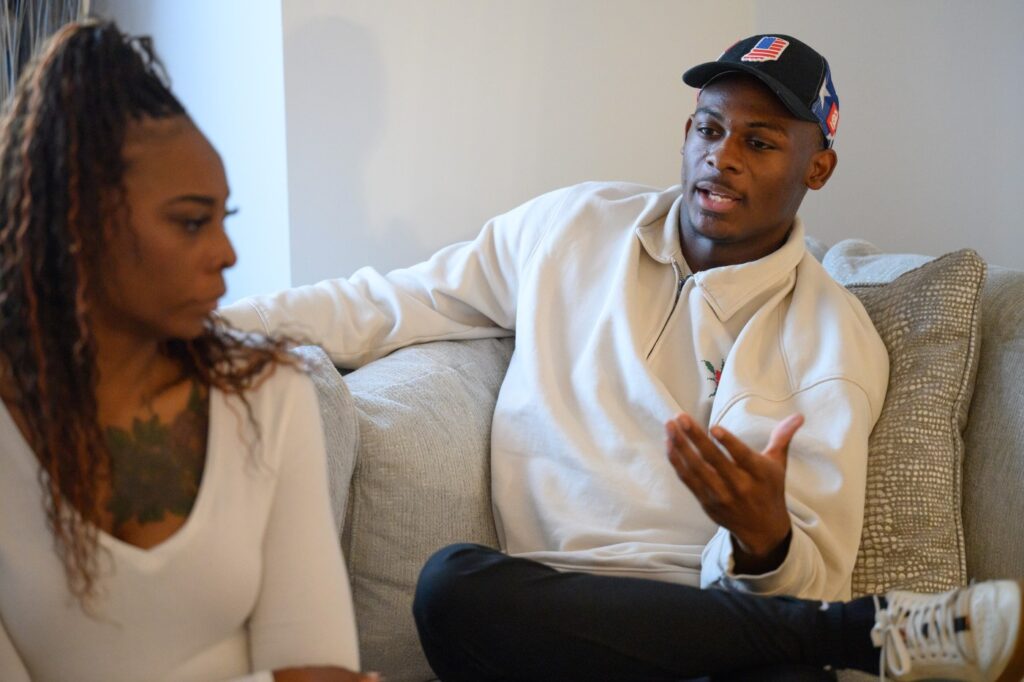
Julian Blevins, a 16-year-old student at Chesterton High School in Indiana, has publicly addressed a troubling pattern of racism he has experienced since enrolling in seventh grade. Frustrated by repeated racial slurs, Julian took to social media to share his experiences, emphasizing that such behavior is unacceptable in today’s society. “I love Chesterton High School, I really do. But I’ve been called the N-word multiple times since coming here. It’s 2026, the 21st century. This shouldn’t still be happening,” Julian wrote in his post. His message sparked widespread attention and conversation within the community.
During a Town Council meeting on January 9, 2026, Chesterton Town Council President Erin Collins spoke about the concerning issue of racism in the town. While not mentioning Julian by name, she acknowledged the significance of the social media post and the community’s response to the allegations. “There’s no place for racism, hate speech or threats in our community. And especially not in spaces that are meant to be safe for children,” Collins stated. She emphasized that words matter, and failing to address harmful behavior only allows it to grow.
In response to the uproar, Brent Martinson, the principal of Chesterton High School, sent a letter to parents and students outlining the school’s stance against harassment, including racial discrimination. Martinson stated, “Chesterton High School does not tolerate harassment of students for any reasons, including race.” He assured the community that the school had conducted a thorough investigation into the complaints surrounding Julian’s experiences.
The Duneland School Corporation superintendent, Chip Pettit, reiterated the school district’s commitment to addressing harassment and discrimination. “The Duneland School Corporation cannot comment on specific student issues but does not — and will not — tolerate harassment and discrimination in any context,” Pettit said, underscoring the importance of adhering to Board policy and applicable laws.
Julian’s mother, Natalie Cole, has voiced her concerns regarding the school’s handling of the situation. After several meetings with the school administration, she felt that their responses were dismissive. “Their responses came off as basically like, why are you complaining? We’re handling the issue,” Cole stated. Frustrated with the lack of progress, she has filed a complaint with the federal Office for Civil Rights, marking a significant step in seeking accountability.
In her complaint, Cole mentioned that she first reported issues of racial hostility to the school district in October 2024. “As of 2026, my son continues to experience a school environment where hate speech and racial hostility persist,” she noted. Cole emphasized that the incidents are not isolated but rather part of a pattern of harassment that has gone unaddressed despite multiple notifications to the school.
The incident that escalated the situation occurred on December 11, 2025, when Julian received a two-day suspension for “disrespecting” a teacher. This disciplinary action stemmed from an incident involving a letter Julian wrote to Santa Claus, which was removed from his backpack. Upon its return, the letter included a “reply from Santa” filled with racial slurs and threats, including personal information about Julian.
In his social media post, Julian expressed his frustration over the pervasive use of racial slurs in the school, stating, “The same word I’ve heard in the halls, the same word that gets brushed off like it’s nothing.” He noted that derogatory names are often dismissed as common behavior, which only perpetuates a culture of silence around racism.
Collins, during her statement, highlighted the historical context of racism in Northwest Indiana, pointing out that Chesterton was previously regarded as a “sundown” town where Black individuals faced exclusion after dark. This troubling history has implications for the present, as the demographics reveal that Chesterton is predominantly white, with only 1.5% of its population identifying as Black, according to 2024 U.S. Census data.
Julian, who is also an athlete on the school’s track team, has emphasized the importance of standing up for what he believes is right. He hopes that by speaking out, he can pave the way for a better environment for his younger brother and other students. “If I feel a way about something, I am going to let you know whether you like it or not,” he said, demonstrating his commitment to advocating for change.
As the community grapples with these allegations, the story of Julian Blevins serves as a reminder of the ongoing struggle against racism in schools and the need for proactive measures to create safe and inclusive environments for all students.